Antibody Purity >80% Guide to Therapeutic Applications
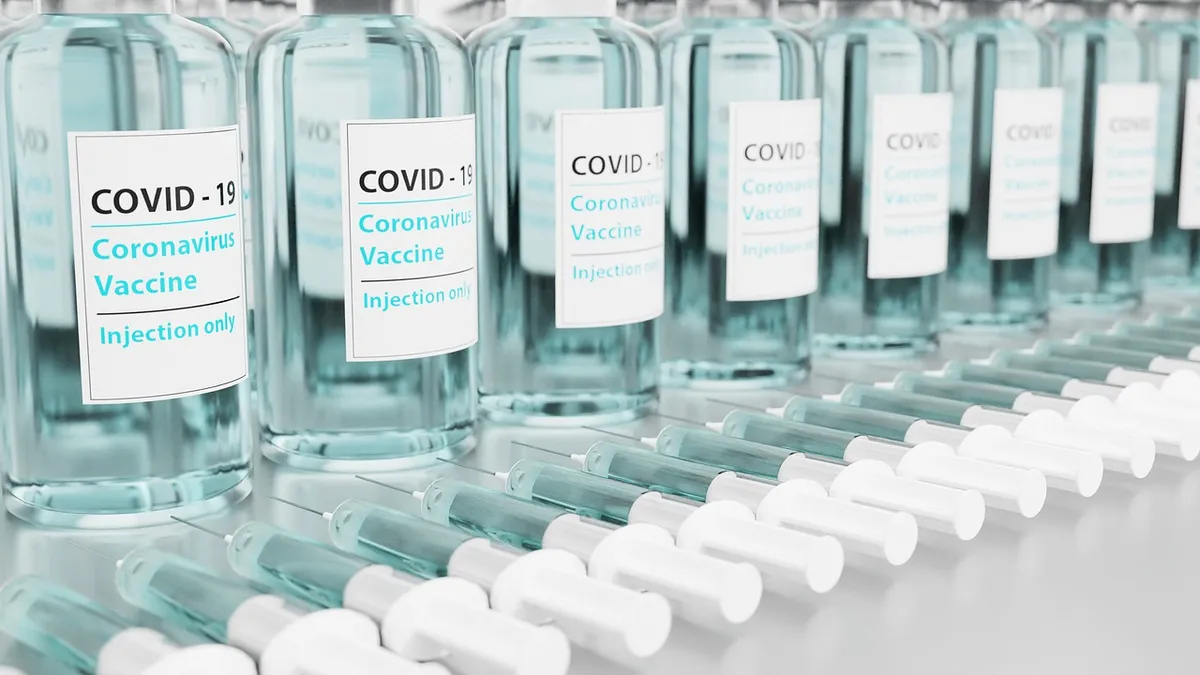
"In 2020, the monoclonal antibody therapies bamlanivimab/etesevimab and casirivimab/imdevimab were given emergency use authorizations by the US Food and Drug Administration to reduce the number of hospitalizations, emergency room visits, and deaths because of COVID-19."
The development of monoclonal antibody therapies has provided critical tools to manage infectious diseases through targeted biological responses. These medical advancements aim to reduce severe health outcomes such as hospitalizations and deaths by utilizing specific binding mechanisms.

This overview covers the history of emergency authorizations, the biological mechanisms of antibody purity, and how these treatments serve specific patient populations.
Key Takeaways: * Emergency authorizations provided specific antibody-based treatments to mitigate COVID-19 severity. * High purity in antibody production is achieved through selective binding to protein A/G. * Targeted therapies serve as pre-exposure prophylaxis for immunocompromised individuals.
How did emergency authorizations impact COVID-19 outcomes?
A researcher looks through a digital archive of medical journals to understand how specific treatments were deployed during a global health crisis. In 2020, the medical community saw the emergence of specialized therapies designed to handle sudden viral surges.
According to Wikipedia, the monoclonal antibody therapies bamlanivimab/etesevimab and casirivimab/imdevimab were given emergency use authorizations by the US Food and Drug Administration in 2020.

These specific treatments were intended to reduce the number of hospitalizations, emergency room visits, and deaths caused by COVID-19. By providing these tools during a period of high clinical demand, the goal was to stabilize patient outcomes through targeted intervention.
The focus of these early authorizations was to provide immediate relief to those at risk of severe illness. These therapies provided a way to manage viral loads in a controlled clinical setting.
In this sequence, the first step is the most critical.
What role does pre-exposure prophylaxis play in modern medicine?
A clinician reviews a patient's history to determine if a preventive treatment is necessary for their specific health profile. The decision-making process involves assessing the level of vulnerability to infection.
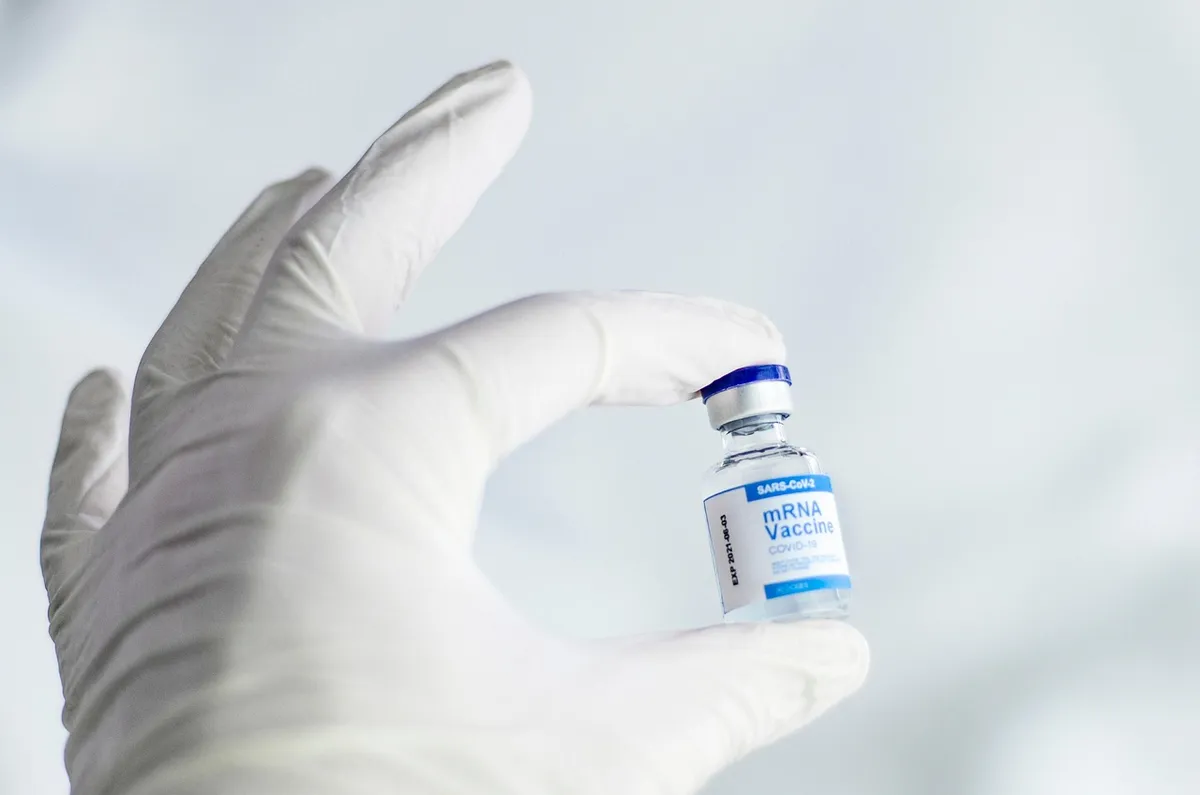
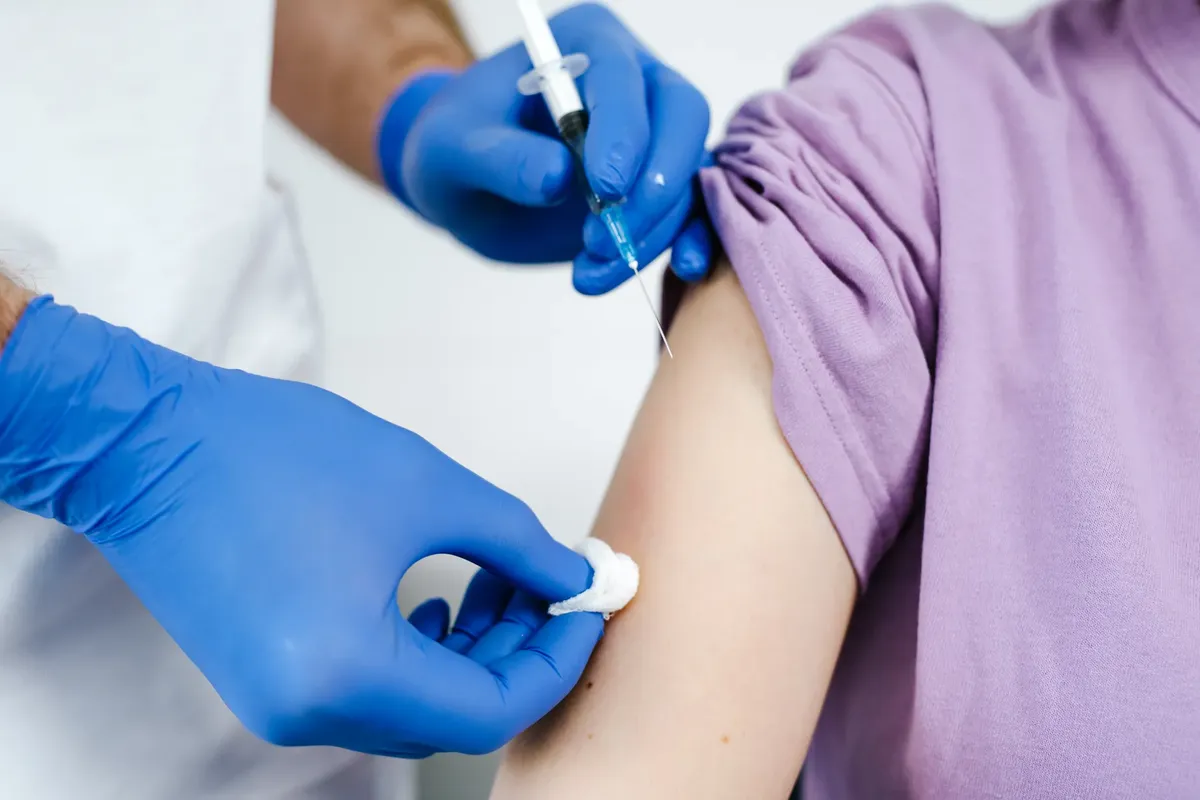
In March 2024, a monoclonal antibody drug named pemivibart received an emergency use authorization from the US FDA. This authorization was specifically for use as pre-exposure prophylaxis to protect certain moderately to severely immunocompromised individuals against COVID-19.
This targeted approach allows for proactive defense in populations where traditional immunity might be insufficient.
Using these medications as a preventive measure represents a shift toward personalized proactive care. This method helps manage risks before a clinical crisis occurs.
In this sequence, the first step is the most critical.
How is high purity achieved in antibody production?
A scientist adjusts a centrifuge in a laboratory setting to separate biological components with precision. The goal is to isolate the desired molecules to ensure the effectiveness of the final product.
The process of purification relies on the specific chemical properties of the molecules involved. The antibody selectively binds to protein A/G, so a high level of purity (generally >80%) is obtained. This high level of purity is essential for the consistency and safety of therapeutic applications.
Achieving a purity level above 80% ensures that the biological agent is concentrated enough for clinical use. This selectivity is a cornerstone of modern biochemical manufacturing.
- Initial capture using affinity chromatography.
- Intermediate purification through ion exchange.
- Final polishing to remove remaining aggregates.
How do scientific repositories organize antibody data?
A librarian organizes a massive digital database to ensure that researchers worldwide can access vital information. The organization of such data is crucial for the advancement of medical science.
Digital repositories serve as essential tools for the global scientific community to share findings.
The National Library of Medicine Medical Subject Headings (MeSH) Antibodypedia is an open-access virtual repository publishing data and commentary on any antibodies available to the scientific community. This resource allows researchers to stay updated on the vast array of antibodies being studied.
This repository facilitates the rapid exchange of information across borders. It supports the continuous cycle of discovery and peer review.
In this sequence, the second step is the longest.
What are the limitations of current antibody therapies?
A medical professional considers the specific health status of a patient before prescribing a specialized treatment. Not every individual will respond to or require the same biological intervention.
The effectiveness and application of these therapies are often limited to specific patient groups or clinical scenarios. For example, the authorization for pemivibart was specifically directed toward certain moderately to severely immunocompromised individuals.
Limitations often arise from the specific biological targets or the health status of the recipient.
A limitation of these treatments is that they are often restricted to specific subsets of the population, such as those with specific immune vulnerabilities, rather than being a universal solution for all patients.
In this sequence, the first step is the most critical.
Related








Comments 0