Korean restaurant closures trend: Tips for small eateries
The empty chairs in a dim dining room tell a story of shifting economic tides. With thousands of dining establishments facing closure, understanding the underlying volatility is essential for any local entrepreneur.
The sudden disappearance of restaurant businesses reflects a complex interplay of economic growth and shifting consumer habits. This article examines the recent trends in the dining sector, provides insights into the economic landscape, and addresses the challenges of business longevity.

Key Takeaways: * Economic growth rates significantly influence the stability of the dining sector. * Historical economic disruptions provide context for modern business volatility. * Understanding consumption patterns is vital for managing restaurant business failure rate.
How does economic growth affect the restaurant business failure rate?
As the economy slowed during the late afternoon, I gripped my cold coffee and stared at the boarded-up Korean bistro across the street.
A quiet street where a brightly lit shop used to stand marks the end of a business cycle. The relationship between national economic performance and the restaurant business failure rate is often direct and impactful.
When the economy fluctuates, consumer spending on dining out is frequently one of the first variables to change. According to World Bank data, South Korea recorded GDP growth of 1.0% in 2025.
This lower growth rate can signal a tightening of consumer budgets, leading to a higher restaurant business failure rate as people opt for home cooking over dining out.
The impact of these shifts is often felt most acutely by small-scale owners. A sudden drop in spending can turn a profitable establishment into a struggling one overnight. This volatility makes the Korean dining industry decline a constant concern for those managing tight margins.
Could historical economic shifts explain the Korean dining industry decline?
A dusty ledger from decades ago sits on a desk, contrasting with the modern digital tablets used in current cafes. Looking back at historical disruptions helps put current shifts into a broader perspective.
Economic stability has always been a prerequisite for a thriving food service sector. Historical events, such as the Korean War where around 10% of the population died, greatly disrupted the economy and society.
Such massive shifts in population and economic structure fundamentally reshaped how food was distributed and consumed.
These historical lessons show how fragile economic structures can be when facing large-scale disruption. While the modern era faces different challenges, the fundamental need for a stable consumer base remains unchanged.
Understanding these patterns helps in navigating the current Korean dining industry decline.
Why are restaurants closing in the face of changing growth?
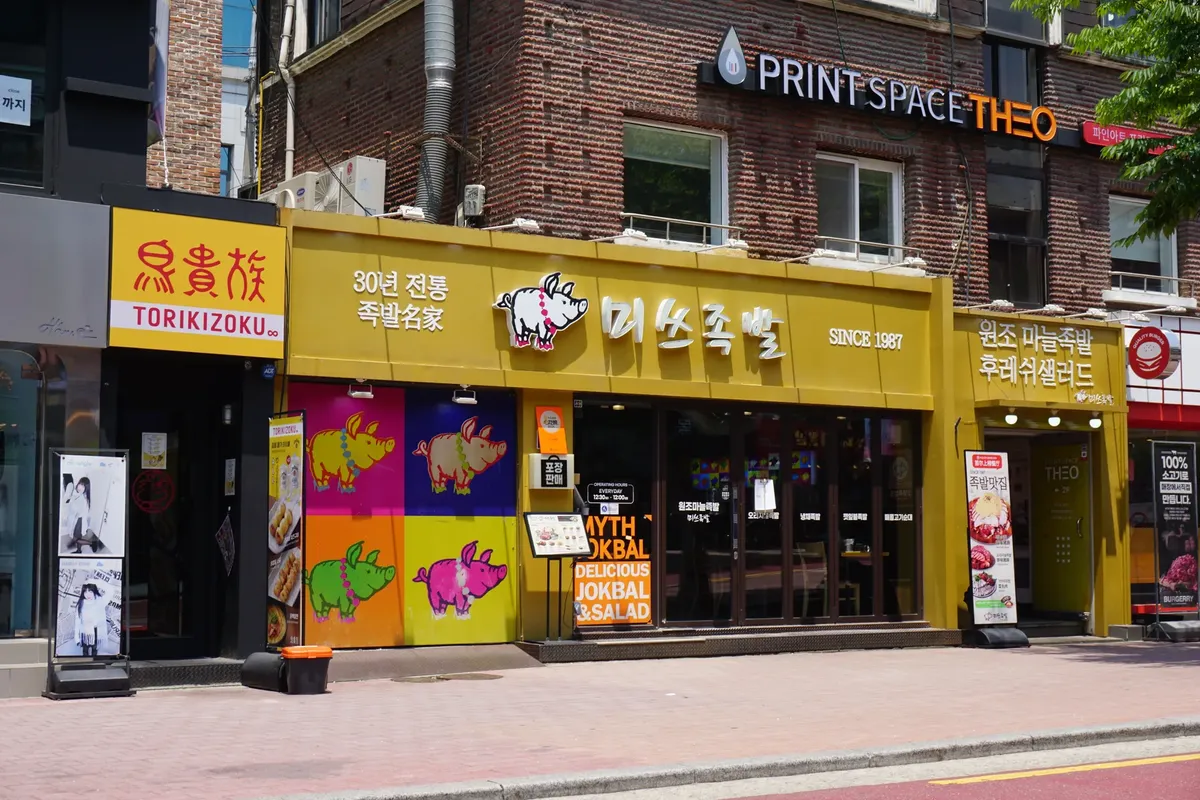
An empty storefront reflects the silence of a once-busy kitchen. When growth rates shift, the stability of the food service sector is put to the test.
Fluctuating growth rates create an unpredictable environment for business owners. According to the International Monetary Fund (IMF), South Korea recorded real GDP growth of 3.3% in 2026.
This increase in growth can influence consumer confidence, yet the volatility of the market still poses questions regarding why are restaurants closing despite growth.
Higher growth might encourage spending, but it can also lead to rising costs in labor and ingredients. This creates a paradox where a growing economy does not always translate to higher profits for every single dining establishment.
What are the solutions for small eateries facing these trends?
A chef wipes down a stainless steel counter, preparing for a shift that may or may not be profitable. Finding a way to stay afloat requires strategic planning and adaptability.
Adapting to the current market is the primary method for survival. One cannot simply rely on old models when the economic landscape changes. To address the causes of restaurant bankruptcy, owners must focus on cost management and menu optimization.
- Analyze monthly ingredient costs against sales to identify waste. 2. Adjust staff schedules to match peak and off-peak hours. 3. Diversify revenue streams by offering takeout or catering services.
The final check involves reviewing the net profit after all operational costs are covered. Successful owners often find that flexibility is their greatest asset when dealing with the Korean dining industry decline.
How can we address causes of restaurant bankruptcy?
A bank statement sits next to an empty cash register, highlighting the financial pressure on small businesses. Addressing the root causes of failure requires a deep dive into operational efficiency.
Many businesses fail because they cannot manage the gap between rising costs and stagnant revenue. When examining the causes of restaurant bankruptcy, many find that high overhead and low margins are the primary culprits. Effective management requires a constant eye on the bottom line.
Some businesses might attempt to expand too quickly, which can lead to a lack of cash flow. Maintaining a healthy reserve is essential to survive the inevitable lean periods.
What is the future of the Korean dining scene?
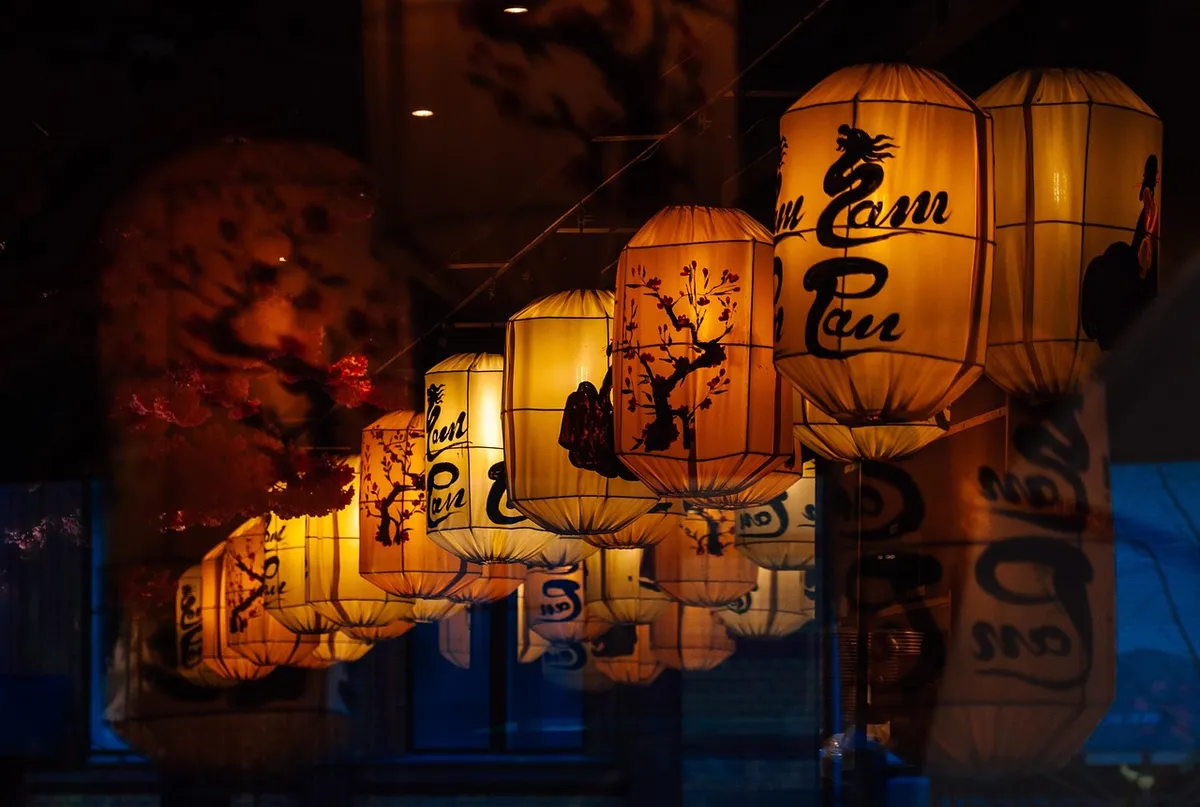
A new sign is being hung in a window, signaling a fresh start in an old neighborhood. Looking forward, the industry must evolve to meet new consumer expectations.
The future of the Korean dining scene depends on how well businesses integrate technology and efficiency. As consumer habits change, the ability to pivot becomes a survival skill. This transition is part of the broader evolution of the food service sector.
While the landscape is changing, the fundamental human need for dining experiences remains. The businesses that survive will be those that can balance tradition with modern economic realities.
Korean restaurant closures trend
The subject here is Korean restaurant closures trend.
The same subject is also called Restaurant profit struggles Korea.
Related
- Hyundai Mobis K-Car Semiconductor guide to chip integration
- North Korea economic innovation: Guide to 25% contraction
How do consumer habits compare to economic indicators? 1. Shifting consumer habits present a variable that economic growth rates alone cannot fully explain. 2. While national economic performance provides a broad context, individual dining choices dictate daily revenue. 3. The presence of empty chairs often signals a divergence between macro-economic health and micro-level consumer behavior.
When analyzing the relationship, one must consider that even during periods of positive GDP growth, consumers might temper discretionary spending. This caution suggests that a rising economy does not automatically guarantee increased patronage for every establishment.
The empty chairs in a dim dining room illustrate this gap between national figures and local reality.
What conditions necessitate operational flexibility? 1. The volatility inherent in the dining sector demands that owners maintain adaptability as a core strategy. 2. When market conditions change, relying on established operational models becomes a significant risk factor. 3. Successful navigation of the Korean dining industry decline depends on the capacity to pivot business approaches.
Owners must constantly monitor the fluctuating economic tides to preemptively adjust their strategies. This proactive stance mitigates the risk associated with unpredictable consumer spending patterns. The empty chairs serve as a constant reminder of the need for this operational agility.







Comments 0