North Korea AI hacking guide to evolving cyber threats
"The digital landscape is shifting as automated tools change the nature of cyber engagement."
North Korea AI hacking activities are expanding through the use of sophisticated automation to generate deceptive content. This shift targets organizations and individuals through high-volume, convincing phishing attempts.
Key takeaways include the rise of AI-driven document creation, the increased scale of targeted attacks, and the need for heightened digital vigilance.
How is North Korea AI hacking evolving?
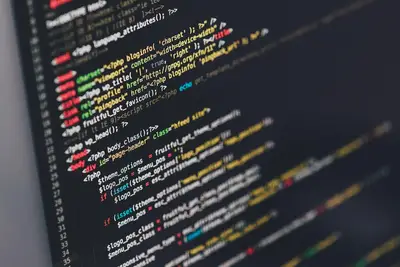
In a dim basement, a finger taps a desk as the screen flickers with scripts from the north.

A dark screen flickers in a remote office as a script generates hundreds of unique, professional-looking emails in seconds. This process allows attackers to bypass traditional filters by creating endless variations of deceptive content.
The evolution of North Korea AI hacking involves moving from manual social engineering to automated, large-scale operations. By utilizing generative tools, malicious actors can produce convincing fraudulent documents at a speed previously impossible.
This capability allows for wide-scale distribution of malware through highly tailored messaging.
The scale of these operations is a primary concern for cybersecurity professionals. Instead of targeting single individuals, attackers can now launch broad campaigns that mimic legitimate corporate communications. This automation makes the threat harder to track and defend against in real-time.
What are the risks of DPRK AI phishing attacks?
At midnight, a hand trembles while reading a deceptive email sent from the north.
An employee sits at a desk, staring at a perfectly formatted invoice that looks identical to a regular vendor's mail. The subtle perfection of the text leaves no room for doubt, making the trap much harder to spot.
The risks of DPRK AI phishing attacks stem from the high level of linguistic accuracy and professional tone these tools provide. Traditional red flags, such as poor grammar or awkward phrasing, are often absent in these new campaigns.
This realism increases the likelihood that a recipient will engage with a malicious link or attachment.
The impact of these attacks can range from data theft to total network compromise. Because the documents appear legitimate, they can bypass human intuition and technical security layers. This creates a constant cycle of infection and data exfiltration for targeted entities.
How does North hacking AI use affect global security?

A security analyst reviews a sudden spike in suspicious traffic originating from multiple global nodes simultaneously. The coordinated nature of the activity suggests a centralized, automated command structure.
The strategic implications of North hacking AI use involve the ability to conduct persistent, low-profile intelligence gathering. These tools allow state-sponsored actors to maintain constant engagement with foreign networks without manual intervention.
This continuous presence can lead to long-term undetected access to sensitive data.
Furthermore, the use of such technology complicates international attribution and response efforts. When attacks are automated, the digital fingerprints are often obscured or intentionally manipulated. This creates a moving target for global intelligence and defense agencies.
Why are AI driven cyber threats becoming more frequent?
A server room hums quietly while automated processes scan for vulnerabilities across a wide network. The efficiency of the software allows it to operate around the clock without fatigue.
The frequency of AI driven cyber threats is increasing because the cost of launching an attack has dropped significantly. Automation allows a small group of actors to simulate the output of a much larger organization.
This efficiency enables constant engagement with targets across different time zones and sectors.
As these tools become more accessible, the barrier to entry for sophisticated cybercrime lowers. This results in a much higher volume of daily attempts against various sectors. The sheer quantity of automated outreach keeps security teams in a constant state of reaction.
What are the implications of AI phishing documents impact?

A user clicks a link in a perfectly designed PDF, unaware that a background process has just begun. The seamless integration of the malicious payload into a standard document format makes the breach nearly invisible.
The AI phishing documents impact is felt most acutely in the erosion of trust in digital communications. When even a well-known sender's document can be a sophisticated fake, every interaction becomes a potential risk.
This creates a pervasive sense of uncertainty for businesses relying on digital documentation.
For organizations, the impact includes the potential for widespread malware distribution through a single successful deception. A single document can serve as a gateway to an entire corporate infrastructure.
The ability to scale these documents means the cost of a single successful breach is magnified.
How can we manage state security risks now?
A technician updates a firewall, attempting to keep pace with the rapidly changing signatures of new malware. The tension between defensive updates and offensive automation is palpable in the quiet room.
Managing state security risks now requires a multi-layered approach that combines technical defenses with human awareness. Organizations must move beyond simple signature-based detection to more behavioral-based analysis.
This helps in identifying the subtle patterns that automated attacks leave behind.
- Implement robust multi-factor authentication to mitigate the impact of stolen credentials. 2. Use advanced email filtering tools that can detect AI-generated linguistic patterns. 3. Conduct regular security training to help staff recognize the nuances of sophisticated phishing.

A final check involves verifying all incoming high-stakes documents through an out-of-band communication channel. I remember checking a suspicious invoice via a phone call to the vendor, which saved our network from a potential breach.
The limitations of current defense strategies are often tied to the speed of AI development. While defenses can adapt, the rapid evolution of automated tools remains a significant challenge for global security.
- How is North Korea AI hacking evolving?
- What are the risks of DPRK AI phishing attacks?
- How does North hacking AI use affect global security?
The same subject is also called North Korea cyber crime.
This part also covers Protecting domestic firms.
Related




Comments 0