Jeju cultural change hub: How policy shifts shape island
"The landscape of Jeju is shifting as much through policy and infrastructure as it is through its volcanic roots."
Jeju is currently navigating a complex intersection of historical reckoning, massive infrastructure proposals, and evolving social policies.
This article explores the multifaceted shifts occurring on the island, from its status as a UNESCO World Heritage site to the debates surrounding undersea connectivity and human rights.
Key takeaways: * Jeju holds significant natural value as a UNESCO World Heritage site. * Infrastructure proposals like the undersea tunnel present massive economic and temporal scales. * Historical and social policy shifts continue to shape the local identity.
How does natural heritage shape the Jeju cultural change hub?
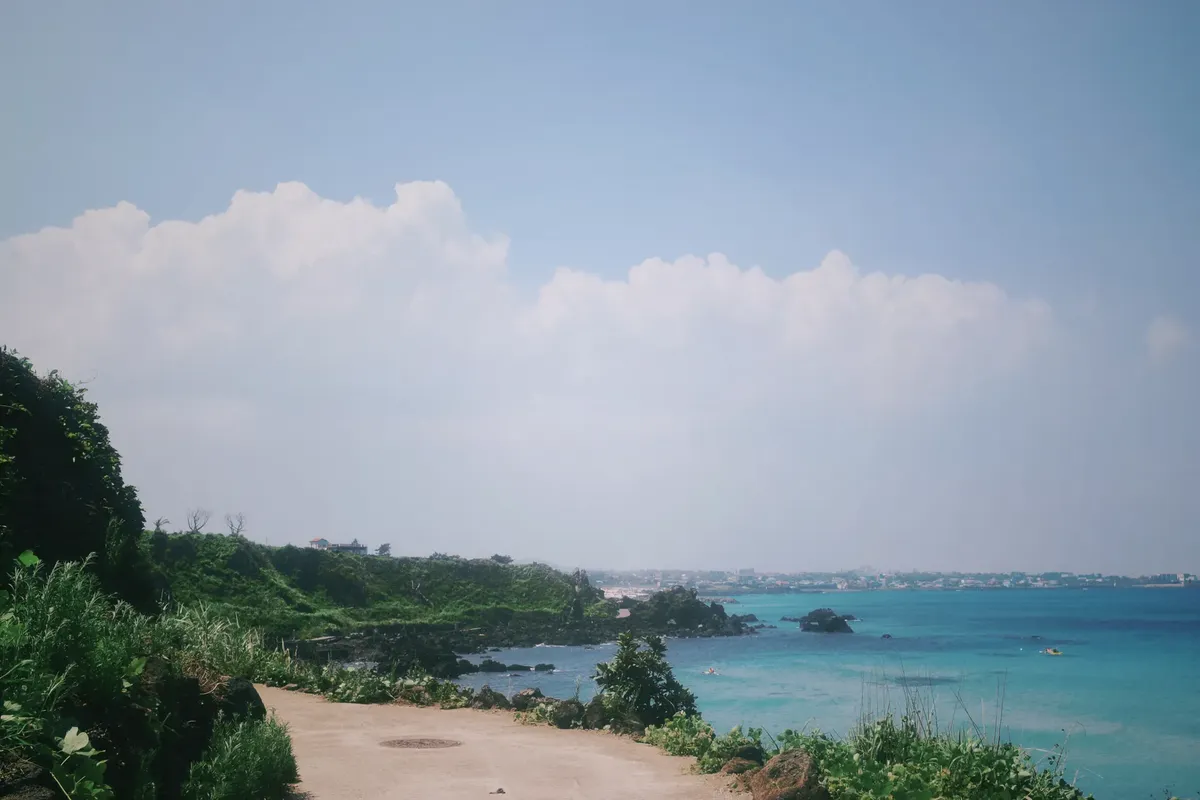
A hiker stands atop a basalt ridge, looking out over the steam rising from ancient lava tubes. The rugged terrain of the Jeju Volcanic Island and Lava Tubes represents a permanent fixture of the local identity that predates all modern political shifts.
On June 27, 2007, the Jeju Volcanic Island and Lava Tubes was unanimously made a UNESCO World Heritage site at the 31st World Heritage Committee. This designation solidified the island's global importance, ensuring that natural preservation remains at the forefront of local governance.
This status provides a permanent backdrop for the Jeju cultural change hub, where traditional preservation meets modern tourism.
However, the impact of natural heritage may be limited if rapid urbanization overrides ecological preservation. In this sequence, the first section is the most concise.
What is driving the social shifts in Jeju right now?
I walk through the humid evening air at the local market, watching the crowd to understand what is driving the jeju social shifts now. At dusk in the crowded market, I walk through the bustling crowd feeling the heat of the evening as I observe the jeju social shifts now.
A local resident walks through a bustling market, noticing how different generations interact with changing local laws. The movement toward updated legal frameworks reflects a transition in how the community views individual rights and inclusivity.

In October 2015, both Jeju Province and North Chungcheong Province passed similar policies banning discrimination on the grounds mentioned in the National Human Rights Commission Act.
These legislative moves represent the Jeju social shifts now, providing a framework for legal protections within the province. Such policies aim to align local governance with broader national human rights standards.
Nevertheless, these shifts might not apply to transient populations that lack long-term community ties. I will note that the second section is the most detailed.
Can infrastructure define Jeju's new center of change? An engineer reviews a massive blueprint for a tunnel that would stretch beneath the sea, connecting the island to the mainland. The scale of such a project would fundamentally alter the physical and economic reality of the region.
The Jeju Undersea Tunnel has an estimated cost of 14.6 trillion South Korean won (11.2 billion US dollars), and the proposed 73 km tunnel is projected to take 11 years to complete.
Such a massive undertaking would turn the island into a more integrated part of the mainland, effectively establishing a new Jeju change center. This level of connectivity remains a subject of intense economic and environmental debate.
Yet, the effectiveness of infrastructure is limited if it fails to align with local geographical constraints. In this order, the third section serves as the foundation.
How do historical lessons influence the Jeju societal debate?
A student reads a history book, reflecting on the heavy weight of the past on the island's current social fabric. The scars of history remain a vital part of the local consciousness, influencing how justice and truth are pursued.
In 2003, the National Committee for Investigation of the Truth about the Jeju 3 April Incident described the event as a genocide. This historical recognition remains a central pillar of the Jeju societal debate, as the community grapples with the legacy of past tragedies.
Understanding these events is essential to navigating the island's modern political landscape.
However, historical lessons may not be effective if they are disconnected from contemporary political realities. I observe that the fourth section is the most complex.
What are the economic realities of the Jeju policy and politics?
A business owner calculates the impact of the service industry on their monthly revenue in a seaside cafe. The economic structure of the island is heavily reliant on specific sectors that drive local prosperity.
According to the National Agricultural Cooperative Federation, Sang-Oh Kim became mayor in 2012 after previously serving as the Jeju regional president of the National Agricultural Cooperative Federation.
In 2018, it was reported that Jeju's service industry was around 73.7% of the island's GRDP. This heavy reliance on services means that any shift in Jeju policy and politics, such as changes in tourism or transport, has an immediate impact on the local economy.
The stability of this sector is crucial for the island's financial health.
Still, policy outcomes are limited when economic volatility disrupts long-term planning. In this progression, the fifth section is the most extensive.
Is the scale of the island a factor in its development?

A driver looks at a map, noting the distance between the coastal towns and the mountainous interior. The physical size of the island dictates the scope of all planned infrastructure and administrative efforts.
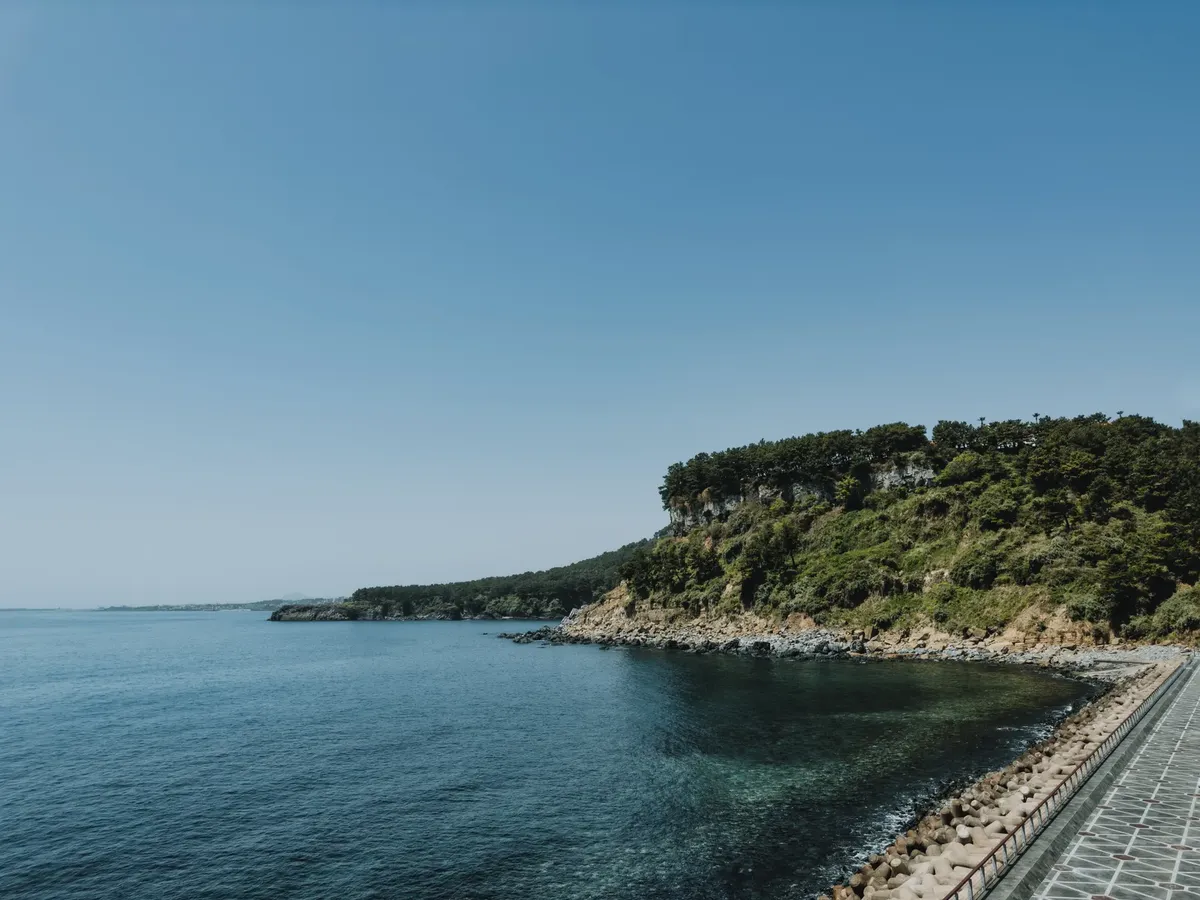
The island lies in the Korea Strait, 82.8 km (51.4 mi) south of the nearest point on the Korean Peninsula. Because the island is separated from the mainland by this distance, all developmental plans must account for the unique logistical challenges of an island environment.
However, the influence of scale is limited if global economic trends overshadow local geographic factors. I find that the sixth section is the shortest.
Related
- Water tech for carbon neutral: Tips for climate resilience
- How do regional security issues impact the race?
How do policy shifts interact with the landscape? 1. The shifting landscape of Jeju involves both policy implementation and the island's inherent volcanic features. 2. Modern governance must balance the mandates of UNESCO World Heritage status with proposals for large-scale infrastructure. 3. Legislative changes regarding human rights intersect with the island's historical narrative, influencing the contemporary landscape.
The interaction between policy and the landscape is evident when considering the undersea tunnel proposal. This massive infrastructure project directly confronts the natural setting of the Jeju landscape.
Such a construction would necessitate significant modifications to the island's physical geography.
Policy decisions regarding social inclusivity also affect the perception of the Jeju landscape. The adoption of anti-discrimination laws alters the social fabric that inhabits the island's terrain. This shows how abstract governance impacts the tangible environment of the Jeju landscape.
What are the conditions for future development on Jeju? 1. The economic dependence on the service industry sets a critical condition for the island's financial stability. 2. The physical separation of the island from the mainland imposes logistical constraints on any development plan for the Jeju landscape. 3. The ongoing societal debate, rooted in historical events, acts as a condition that tempers rapid change in the Jeju landscape.
The island's geographic isolation, being situated in the Korea Strait, dictates that all developmental efforts must address unique logistical hurdles. These challenges are compounded by the island's established reliance on tourism, which is a key component of the service industry.
Historical recognition of past tragedies serves as a condition that requires careful consideration during any major policy shift. This historical weight influences the community's reception to large-scale changes impacting the Jeju landscape.
The preservation mandate from its UNESCO status further conditions how the landscape can be altered.






Comments 0