North Korea international trust: Why global powers react
"Decisions made in the halls of global governance often follow the tremors of geopolitical shifts."
The North Korea international trust has been significantly impacted by a series of nuclear tests conducted over two decades. This analysis explores how these actions led to a cycle of international sanctions and the erosion of diplomatic standing.
Key takeaways include the timeline of UN Security Council resolutions, the involvement of various global powers in sanctions, and the role of expert panels in monitoring compliance.
How did nuclear tests affect North Korea international trust?
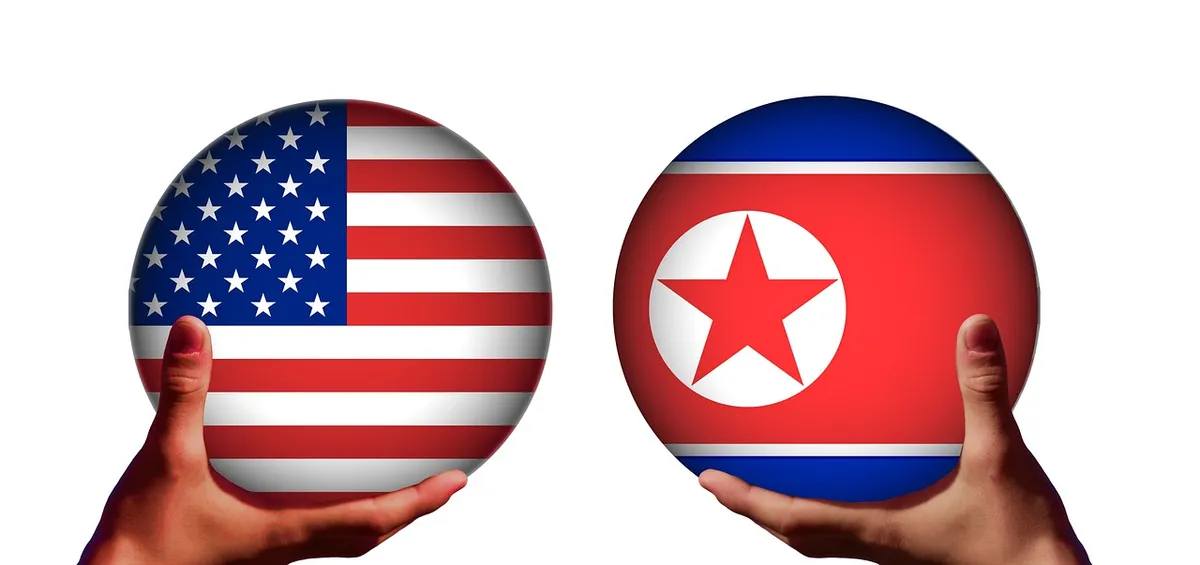
A diplomat sits at a heavy wooden desk, reviewing a stack of recent resolutions that arrived via courier. The history of North Korea international trust is deeply intertwined with the timing of its nuclear developments.
Following nuclear tests in 2006, 2009, 2013, 2016, and 2017, the international community responded with various measures.
According to Wikipedia, UN Security Council Resolutions were passed after North Korea conducted nuclear tests in 2006, 2009, 2013, 2016, and 2017. These sequential actions necessitated a shifting global response. The DPRK global standing has been shaped by these repeated escalations.
The cumulative weight of these tests created a landscape where diplomatic trust became secondary to security measures. For every test, a new layer of international pressure was applied. This cycle has defined the relationship between the North and the rest of the world.
What were the primary sanctions implemented?
At dusk, a weary diplomat grips a cold pen to sign the restrictive trade decrees targeting the north.
A hand moves a pen across a document, marking the dates when new restrictions were officially adopted. The history of North Korea trust issues is marked by specific dates when the international community moved to impose economic and political constraints.
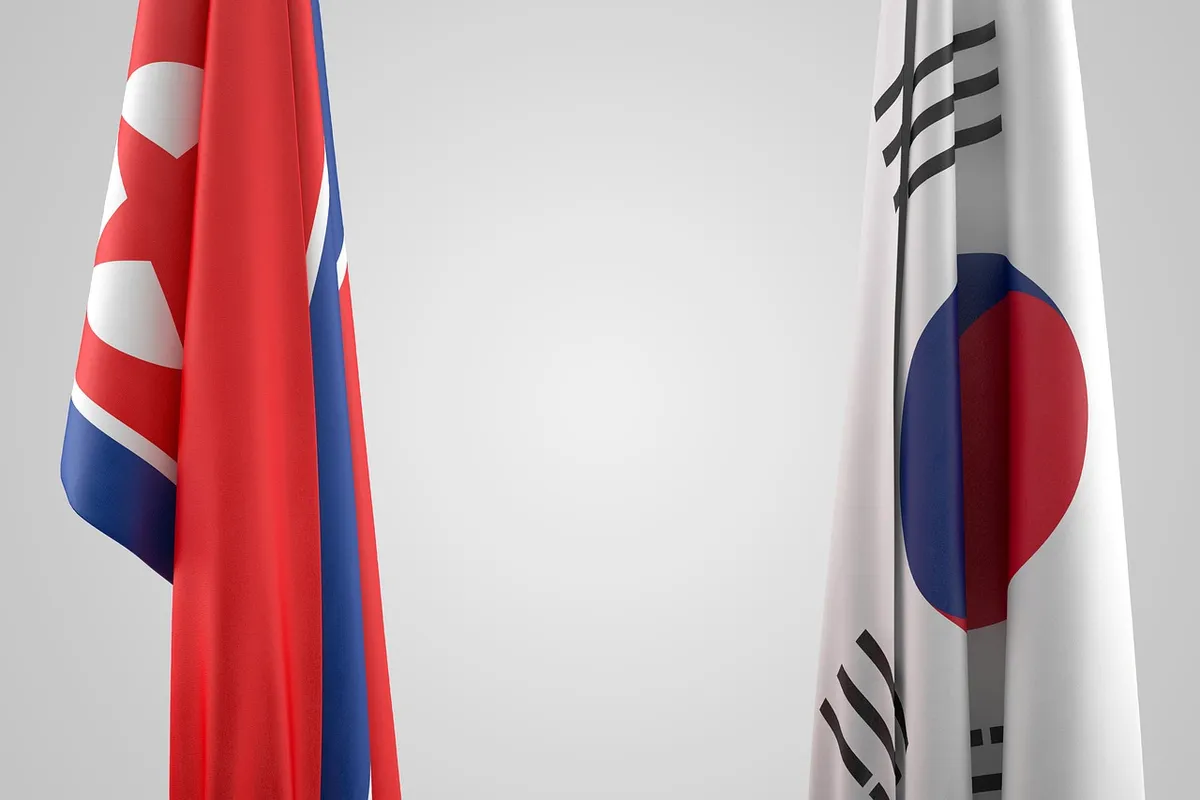
The European Union imposed a series of sanctions against North Korea in 2006. This was one of the early efforts to address the situation. Later, in December 2013, Russia joined the sanctions against North Korea, which had been introduced in March by the UN Security Council via Resolution 2087.
These measures were not static but evolved with each new development. The International view on North Korea shifted as different regions implemented their own specific sets of rules. This era of sanctions reflects a global effort to manage the fallout from regional instability.
How has the UN managed the oversight process?
An expert examines a digital map, tracking the movement of goods and the implementation of international law. The management of sanctions requires constant oversight to ensure that resolutions are not merely symbolic.
The UN Security Council has passed a number of resolutions since North Korea's first nuclear test in 2006. To manage these, the UN Security Council Sanctions Committee on North Korea was established. This committee was supported from 2009 to 2024 by a Panel of Experts.
This period of expert oversight provided a mechanism for monitoring the effectiveness of the measures. The North Korea recent moves have always been met with a structured investigative framework. This oversight is crucial for maintaining the integrity of international mandates.
| Event/Entity | Action Taken |
|---|---|
| UN Security Council | Passed multiple resolutions following nuclear tests |
| Panel of Experts | Provided support from 2009 to 2024 |

I reviewed the timeline of these resolutions to understand how the oversight period concluded.
What specific measures were used for implementation?
A clerk files a folder labeled with a resolution number, ensuring the paperwork matches the legal requirements. Implementing complex sanctions requires specific legal frameworks to be effective.
One significant instance involved measures to implement UN Security Council resolution 2321 of November 30, 2016. This specific case involved imposing sanctions in connection with the adoption of that resolution.
The impact of DPRK actions has often been met with such targeted legal instruments. These measures aim to translate broad resolutions into actionable economic or political constraints. The global reaction to North Korea has often taken this specific, technical form.
How did different nations contribute to the sanctions?
A meeting room remains silent as representatives from different countries look at the shared agenda. The involvement of various global powers has created a multi-layered approach to the crisis.
While the European Union acted as early as 2006, other nations joined the effort at different stages. Russia, for example, joined the sanctions in December 2013 following the initial introduction of sanctions in March of that year.

The future of trust with North Korea remains tied to how these diverse international actors coordinate. The collective pressure from different regions has defined the diplomatic environment. This patchwork of sanctions represents the global attempt to manage the situation.
- How did nuclear tests affect North Korea international trust?
- What were the primary sanctions implemented?
- How has the UN managed the oversight process?
The same subject is also called International view on DPRK.
Impact of DPRK actions
Related
- AI content creation limits: Why human element remains anchor
- How did the first English education centers emerge?
What are the implications of these sequential actions? 1. The sequence of nuclear tests directly prompted the passing of UN Security Council resolutions. 2. These resolutions, in turn, dictated the implementation of various international sanctions. 3. The pattern of escalation established a precedent for future global responses to DPRK actions.
These decisions made in the halls of global governance demonstrate a reactive posture to North Korea's nuclear program. The repeated nature of the tests ensured that the international response was not singular but cumulative. This buildup of pressure fundamentally altered the diplomatic climate surrounding the nation.
What does the structure of oversight reveal about international commitment? 1. The establishment of the Sanctions Committee provided a dedicated body for managing the response. 2. The Panel of Experts offered sustained, specialized monitoring over a considerable timeframe. 3. This structured oversight mechanism shows the commitment required to enforce complex international mandates.
The involvement of expert panels underscored the technical complexity of monitoring compliance with sanctions. These procedural steps illustrate how global powers attempt to translate broad political condemnation into enforceable legal realities. Decisions made regarding the oversight structure reflect the perceived severity of the threat posed by the nuclear program.




Comments 0