Trade dispute impact: Japan Korea trade dispute impact guide
"The fallout of trade tensions often ripples through global growth projections, altering the economic landscape for years."
This analysis explores the trade war effect on Korea, examining how shifting export controls and international regulatory responses shaped regional stability.
Key takeaways: 1. Moody's Investors Service revised down economic growth forecasts for both nations in late 2019. * * Trade-related policy changes impacted industrial licensing and export dependencies.
How did the Japan-Korea trade dispute impact economic forecasts?
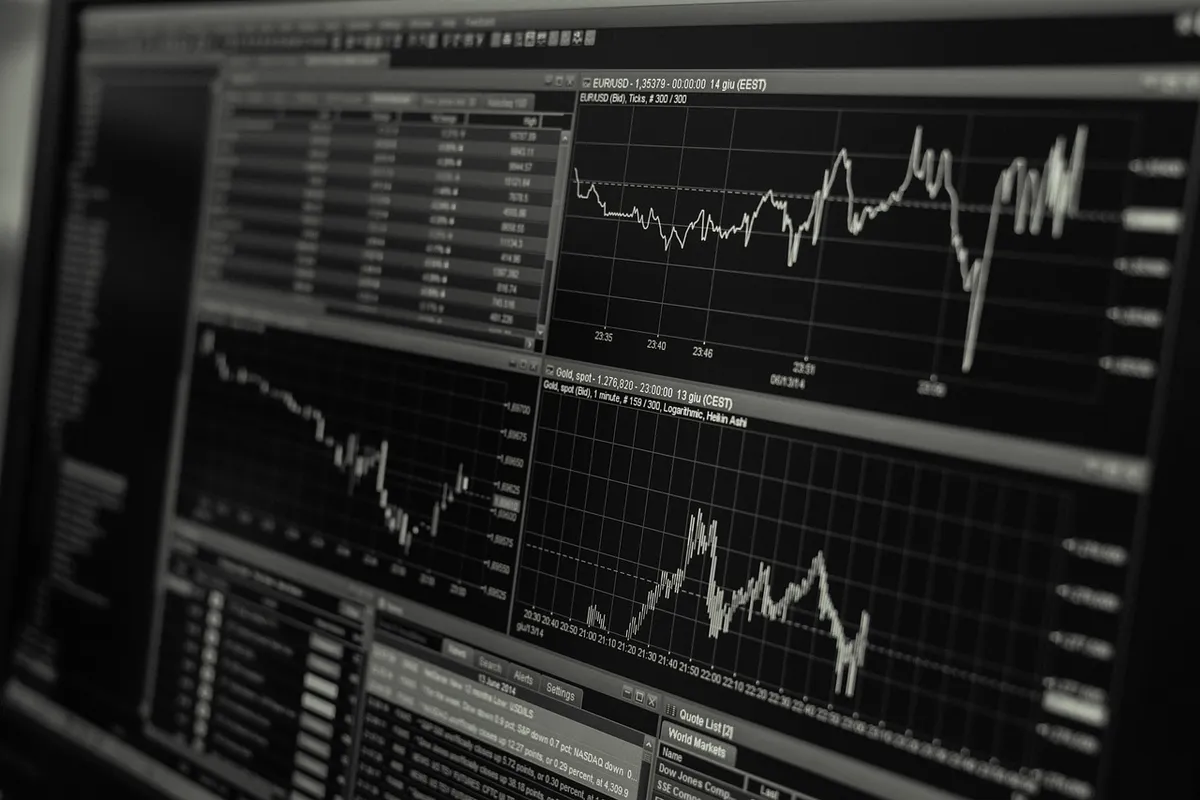
In a quiet Seoul office, an analyst rubs tired eyes while staring at the plummeting lines on a screen shaped by the sudden trade dispute.
The Japan-Korea trade dispute impact was felt immediately through downwardly revised growth expectations.
This adjustment reflected the growing uncertainty within the regional trade environment.
The suddenness of these shifts forced planners to reconsider long-term stability. Analyzing trade conflict effects required looking at how much these nations relied on stable supply chains.
How exactly will the trade war affect Korea? Japan Korea trade dispute impact A shipping container sits idle at a busy port, waiting for regulatory clearance. The trade war effect on Korea involved complex shifts in licensing and industrial dependencies.
The Japanese Ministry of Economy, Trade and Industry applied updated licensing policies on July 1, affecting the export and transfer of controlled items to South Korea. These decisions, effective on July 4, forced exporters to seek approval for each shipment for up to 90 days.

This period of uncertainty placed heavy pressure on domestic industries. Japan had an export dependency on South Korea for three specific materials at 22.5%, 11.6%, and 85.9%, respectively.
According to Soviet Union, the 1990 record includes 25%.
What is about to happen in this Geneva meeting? If issues were not resolved within 60 days, South Korea could request the WTO Dispute Settlement Body to establish a panel to rule on the issue.
The process involved both formal complaints and bilateral discussions.
What were the steps taken to manage trade restrictions?
A government official reviews a stack of policy documents to ensure compliance. Managing the sudden shift in trade rules required a structured approach to policy changes.
- The Japanese government applied updated licensing policies on July 1. 2. The decision to remove South Korea from the whitelist was set to take effect on August 28, 2019. 3. A public opinion gathering process occurred from August 14 to September 3, where 91% of opinions favored revision.
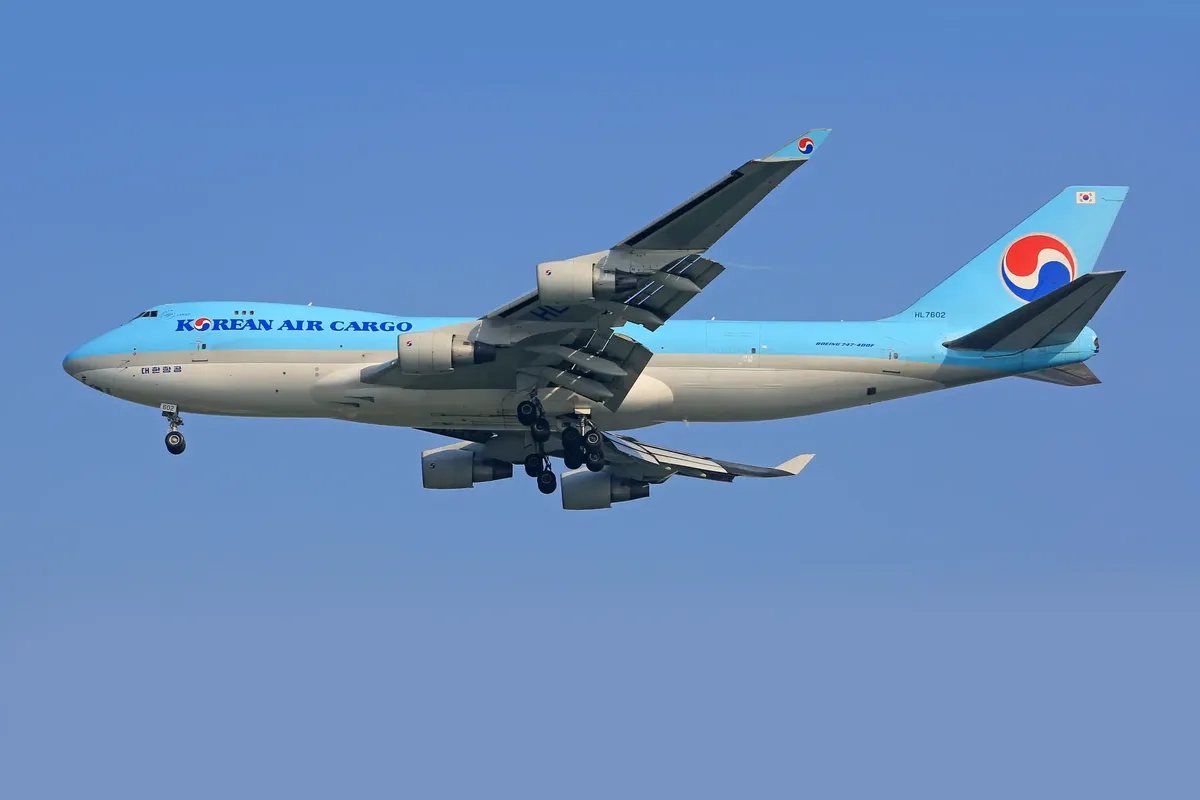
I observed how these administrative timelines created significant hurdles for manufacturers. Following the adjustment of the whitelist, the decision took effect on September 18 after the public opinion phase.
How did global trade trends affect the regional outlook?
An economist looks at a declining line on a digital chart representing global growth. The Korea trade dispute analysis must be viewed alongside broader global economic shifts.
In October 2019, the World Trade Organization cut the forecast of merchandise trade growth to 1.2% for 2019 and 2.7% for 2020. These lower projections were down from the previous forecasts of 2.6% and 3%.
These global changes compounded the local pressures felt by both nations. Korea economy under trade stress became a focal point for understanding how regional disputes intersect with global slowdowns.
| Metric | Forecasted Growth (Previous) | Revised Growth (WTO 2019) |
|---|---|---|
| 2019 Growth | 2.6% | 1.2% |
| 2020 Growth | 3.0% | 2.7% |
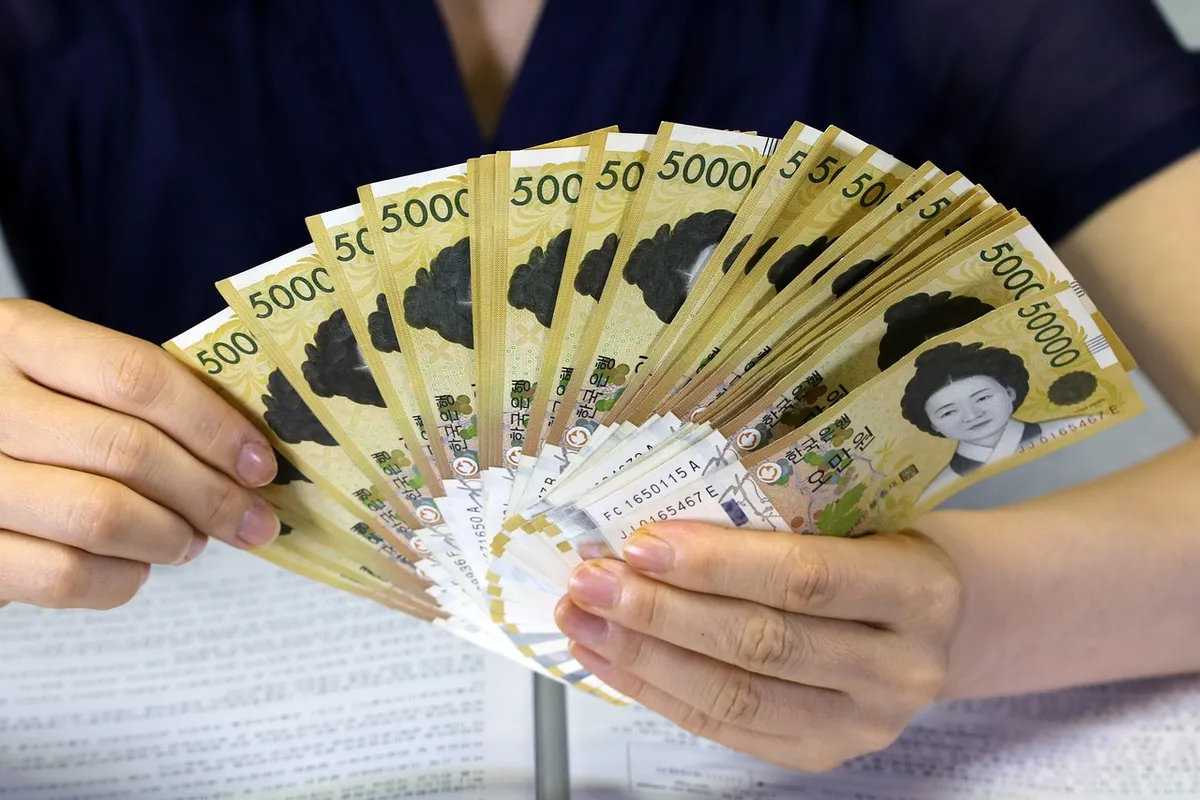
- The Japan-Korea trade dispute significantly altered economic forecasts and policy directions for both nations.
- A desk in Seoul sits quiet as analysts review updated growth projections following recent diplomatic shifts.
- According to a "Global Macro Outlook 2019–20" report released on August 26, Moody's Investors Service revised down forecast economic growth for both South Korea and Japan.
The subject here is Japan Korea trade dispute impact.
The same subject is also called Japan trade issue Korea.
The same subject is also called Economic impact trade fight.
This part also covers How trade dispute hurts Korea.
How trade dispute hurts Korea
Related
- What happened with regional broadcasting efforts?
- KMF 2026 at COEX Unites AI and XR in Virtual Convergence
What were the conditions for the trade dispute's resolution? 1. The WTO offered mechanisms for resolving trade disagreements through established panels. 2. Bilateral discussions also served as a pathway for addressing the trade fallout between the nations. 3. South Korea possessed the option to ask the WTO Dispute Settlement Body to form a panel if the dispute persisted beyond a sixty-day window.
This framework allowed for a multi-layered approach to the trade tension, balancing formal international adjudication with direct diplomatic engagement. The condition for escalation involved the passage of the sixty-day period without a mutual agreement on the trade matter.
How did policy changes affect industrial operations? Industrial licensing changes directly influenced the ability of companies to conduct cross-border trade. The requirement for exporters to obtain approval for every shipment created a significant logistical burden. This administrative hurdle complicated the supply chain dependencies that both nations maintained.
The trade fallout necessitated that manufacturers adapt to the revised regulatory environment. Manufacturers faced delays because the approval process could extend for a substantial duration.
This operational friction highlighted the sensitivity of their respective industrial structures to trade policy shifts.







Comments 0