Electrical safety AI ethics why standards matter most
This article addresses the significance of organizational integrity in technical sectors. It explores how specialized agencies navigate evolving standards to maintain public trust.
The Korea Electrical Safety Corporation's selection as an AI ethics institution aims to bolster technical reliability through standardized electrical safety AI ethics. This transition focuses on integrating ethical oversight into automated safety management systems to ensure technological precision.
Integrating AI ethics into safety agency protocols boosts trust in electrical safety. * Standardized ethical frameworks help prevent automated errors in critical infrastructure. * Regulatory shifts often follow historical failures in safety management and oversight.
How does an agency gain trust with AI ethics?
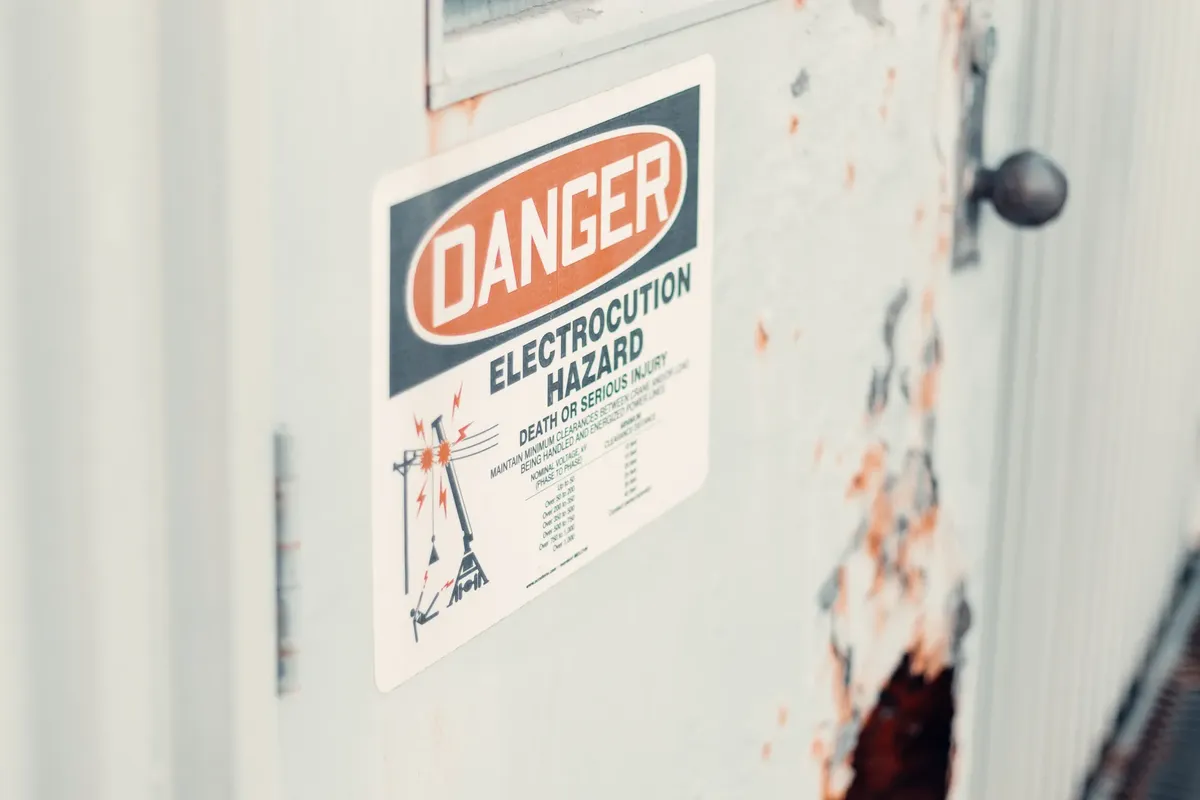
In the quiet control room at midnight, the technician brushes a hand against the cold console while contemplating the electrical integrity of the new ethical framework.
A technician adjusts a sensor while contemplating the weight of algorithmic responsibility in a modern control room. When a specialized agency is recognized for its commitment to ethics, it establishes a baseline for how automated decisions are made.
This recognition signals to the public that technological advancements will not bypass human safety standards.
The process of building trust through ethical guidelines involves several layers of oversight. By aligning with international standards, an agency demonstrates that its digital tools are transparent and accountable.
This prevents the "black box" problem where automated decisions lack clear justification.
Establishing these standards ensures that technical decisions remain predictable. When an agency adopts ethical frameworks, it creates a bridge between complex data processing and real-world safety applications.
This proactive stance helps mitigate risks before they manifest in physical infrastructure.
However, the effectiveness of these measures may be limited if the agency lacks transparency in its decision-making processes.
AI Ethics and Electrical Safety
An engineer monitors a digital dashboard where real-time data flows through an automated diagnostic tool. Integrating AI into safety protocols allows for much faster response times to potential hazards compared to manual inspections.
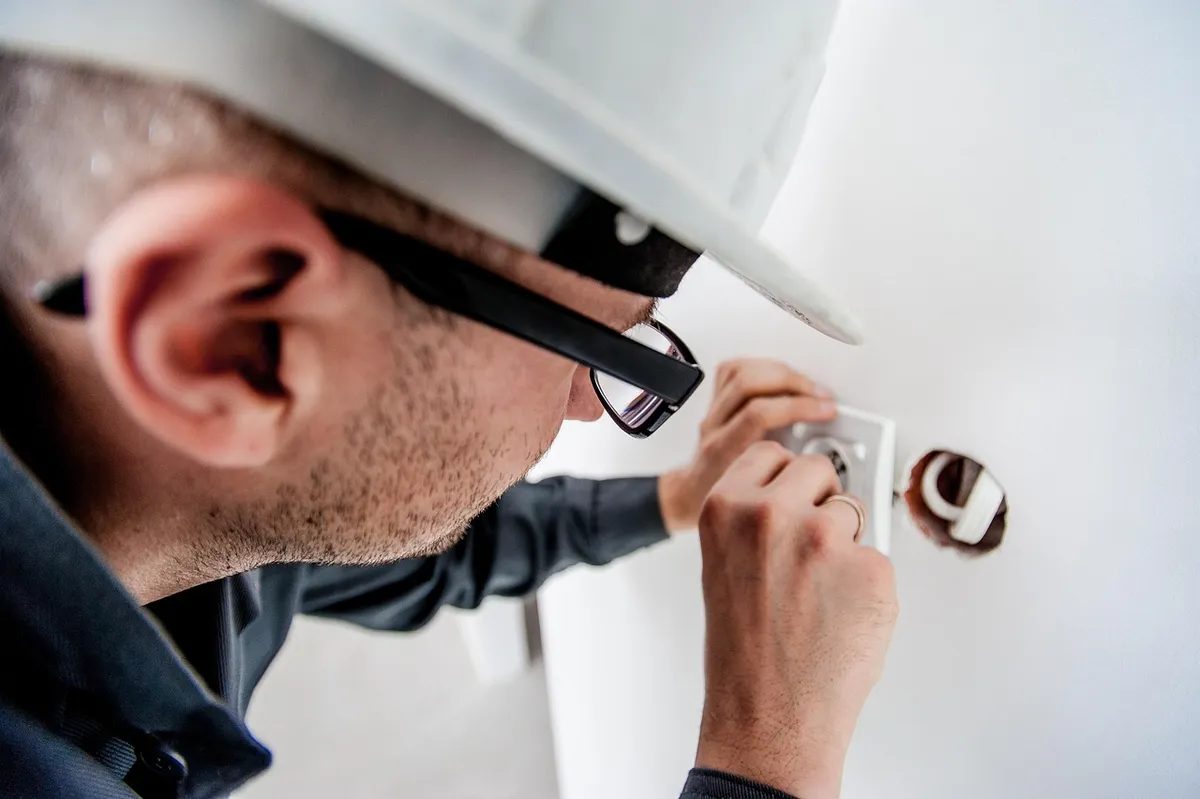
These systems can process vast amounts of sensor data to identify patterns that might indicate an impending failure.
Effective implementation requires a balance between automation and human intervention. While AI can predict risks, the ethical framework ensures that these predictions are used to support, rather than replace, critical safety measures.
This synergy allows for a more robust defense against technical malfunctions.
The role of predictive analytics is to provide foresight. By using historical data and real-time inputs, AI can suggest preventive maintenance schedules. This shifts the safety paradigm from reactive repairs to proactive management, reducing the likelihood of accidents.
In this sequence, the first step is the most critical for establishing a baseline.
What are the implications of tech-based safety standards?
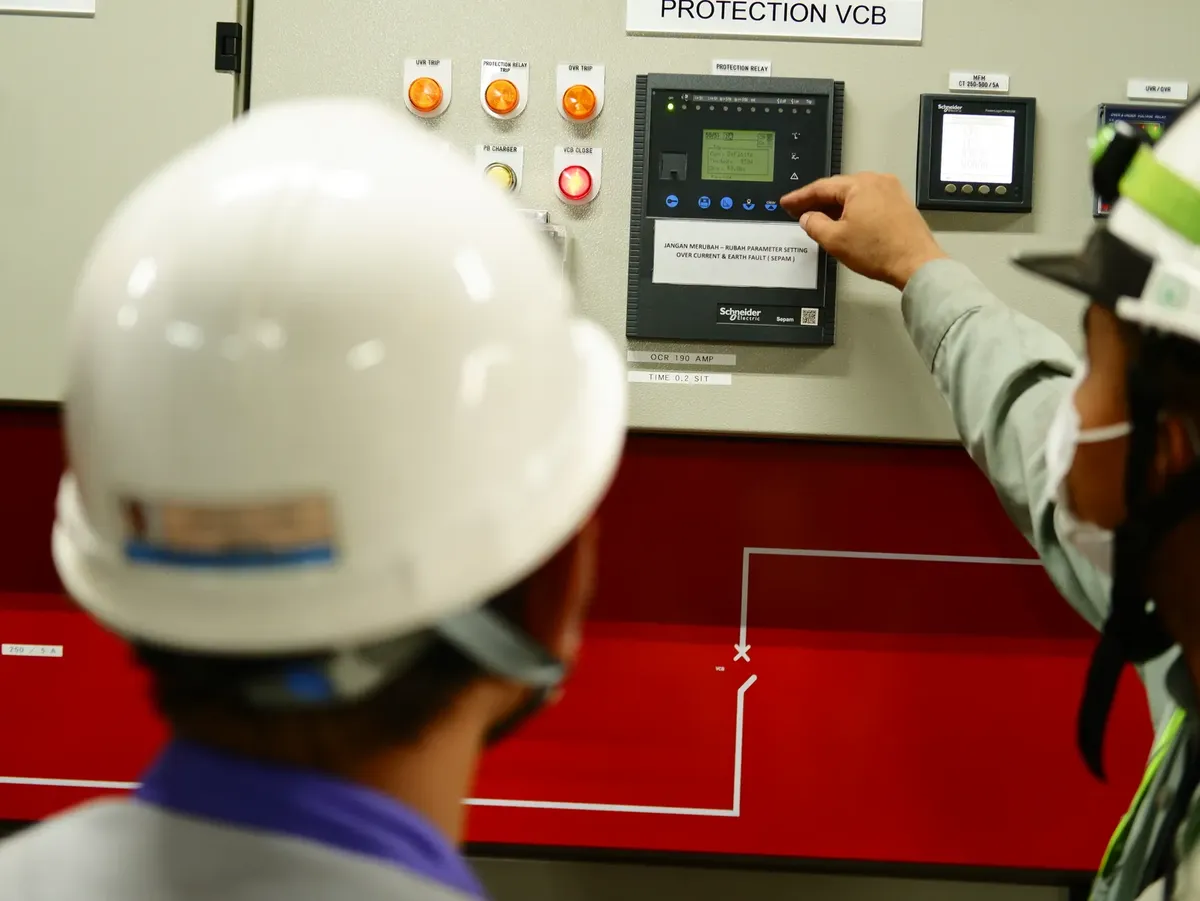
A field worker checks a tablet that displays the results of an automated inspection conducted by a drone. Developing tech-based safety standards ensures that every automated action is traceable and meets specific regulatory benchmarks.
This standardization is vital for maintaining consistency across different regions and equipment types.
Without clear standards, the deployment of automated systems could lead to unpredictable outcomes. Standards provide the necessary guardrails to ensure that AI-driven decisions remain within safe operational limits. This consistency is essential for large-scale infrastructure management.
The goal of these standards is to create a repeatable and verifiable process. When every automated check follows a standardized protocol, auditors can easily verify the integrity of the safety measures. This transparency is the foundation of modern technical governance.
The implications remain limited when the technology is applied to unpredictable environments.
What is the role of AI ethics in power safety?
A supervisor reviews a report generated by an automated system during a routine shift change. In the energy sector, where errors can have widespread consequences, AI ethics in power safety becomes a matter of public security.
Based on data from the International Energy Agency, per capita electricity consumption fell from its peak in 1990 of 1247 kilowatt hours to a low of 712 kilowatt hours in 2000.
Ethical guidelines ensure that the algorithms managing power distribution prioritize human life and grid stability.
The priority remains the prevention of catastrophic failure through responsible automation. Ethical frameworks guide how an AI handles conflicting data or emergency scenarios. This ensures that the automated response is always aligned with the primary goal of public safety.
By focusing on ethics, agencies can manage the complexities of modern power grids. As grids become more decentralized and reliant on smart technology, the ethical oversight of these systems becomes more critical. It ensures that the transition to smarter technology does not compromise reliability.
The role of ethics becomes complex when human oversight is minimized.
Why is an agency gains trust with AI ethics important?
A team of specialists gathers in a briefing room to discuss the implementation of new regulatory protocols. When an agency gains trust with AI ethics, it secures its position as a reliable authority in its field.
This trust is necessary for the widespread adoption of new technologies that the public might otherwise view with skepticism.
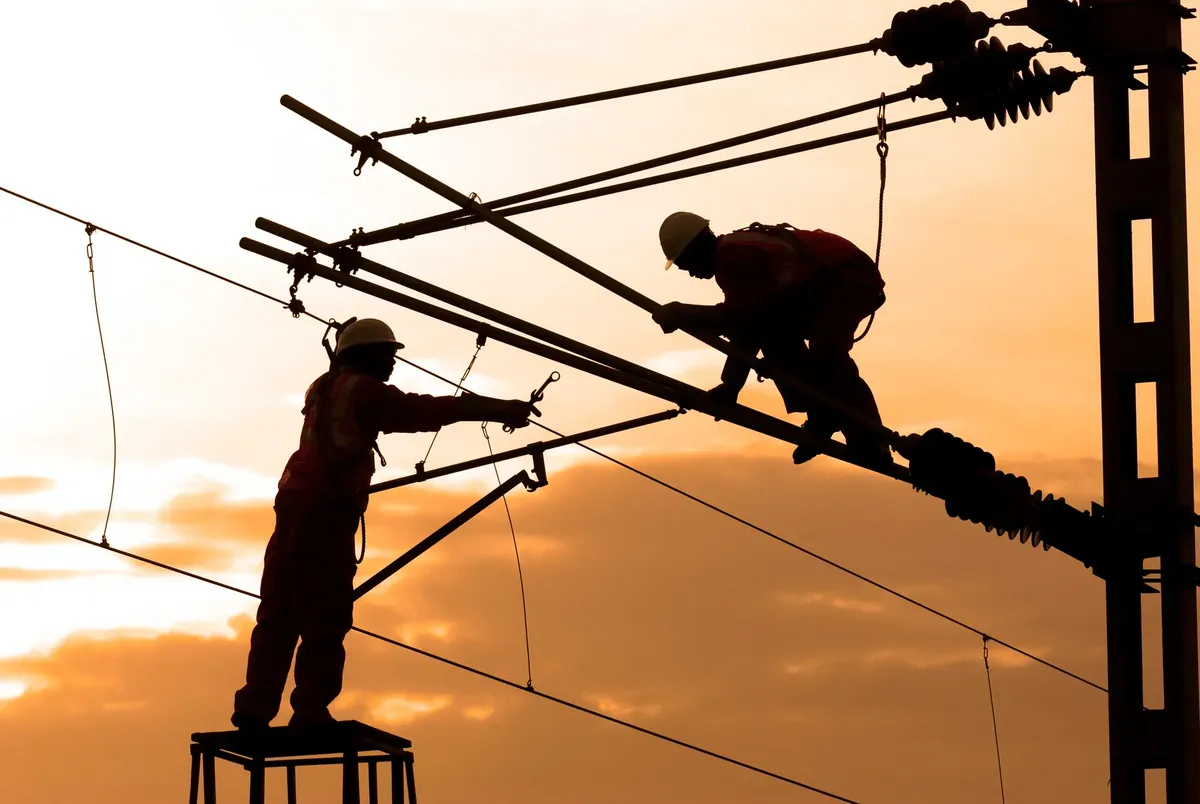
Trust acts as a social license to operate advanced technologies. If the public perceives that AI is being used without oversight, resistance to technological integration increases. An ethical designation provides the legitimacy needed to lead in a digital-first environment.
This trust also facilitates cooperation between different sectors and international partners. A recognized ethical standing makes it easier to align with global technical standards. This global compatibility is essential for modern industries that operate across borders.
Building trust is essential for long-term operational stability.
- How does an agency gain trust with AI ethics?
- How can AI improves safety standards?
- What are the implications of tech based safety standards?
Related








Comments 0