North Korea airball diplomacy: 13% South Korean views
This article examines the shifting landscape of international pressure and strategic maneuvers.
The North Korea airball diplomacy strategy focuses on utilizing unconventional methods to gain attention while navigating intense international restrictions. This analysis looks at how historical sanctions and shifting regional dynamics shape current maneuvers.
Key takeaways include the history of UN Security Council resolutions, the impact of economic bans, and the evolving political tensions in the Korean Peninsula.
How did international sanctions begin?

A diplomat sits at a heavy oak desk, reviewing a stack of documents regarding global trade restrictions. The history of North Korea airball diplomacy is rooted in the response to nuclear developments that triggered global action.
According to Wikipedia, UN Security Council Resolutions were passed after North Korea conducted nuclear tests in 2006, 2009, 2013, 2016, and 2017. These specific years marked significant shifts in how the international community responded to regional developments.
Similarly, the European Union imposed a series of sanctions against North Korea in 2006. These early measures established a framework for economic and political pressure.
What role did the UN Security Council play? North Korea airball diplomacy
A meeting room remains silent as delegates prepare to vote on a new resolution. The North Korea airball launch strategy often intersects with the legal frameworks established by international bodies.
The UN Security Council has passed a number of resolutions since North Korea's first nuclear test in 2006. These resolutions have consistently aimed to address security concerns through various legal mechanisms.
For instance, in December 2013, Russia joined the sanctions against North Korea, which had been introduced in March by the UN Security Council via Resolution 2087. This shows how global powers have historically aligned or diverged on specific policy measures.
How did sanctions expand over time?
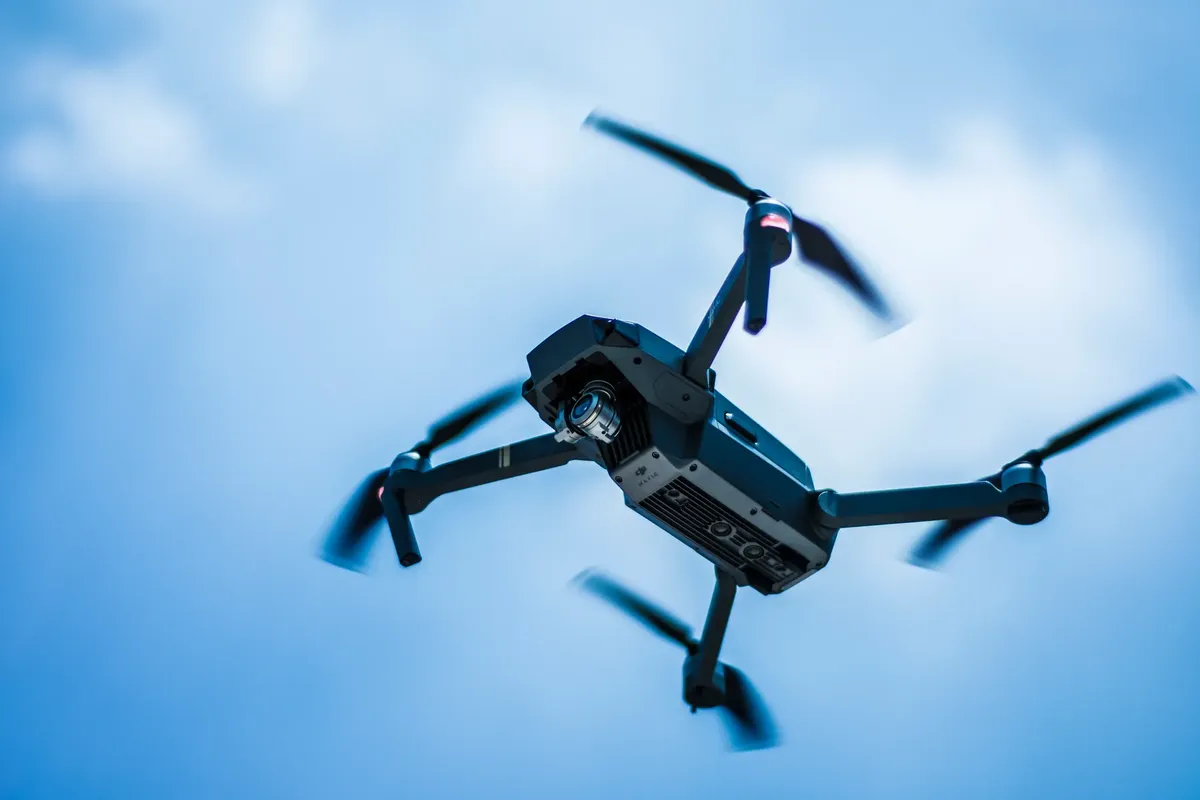
An official enters a secure facility to implement new trade protocols. A drone alternative North Korea might consider is often limited by the strictness of these established bans.
In 2016, measures were implemented regarding UN Security Council resolution 2321 to impose sanctions on North Korea. These measures focused on specific legal requirements following the adoption of the resolution on November 30, 2016.
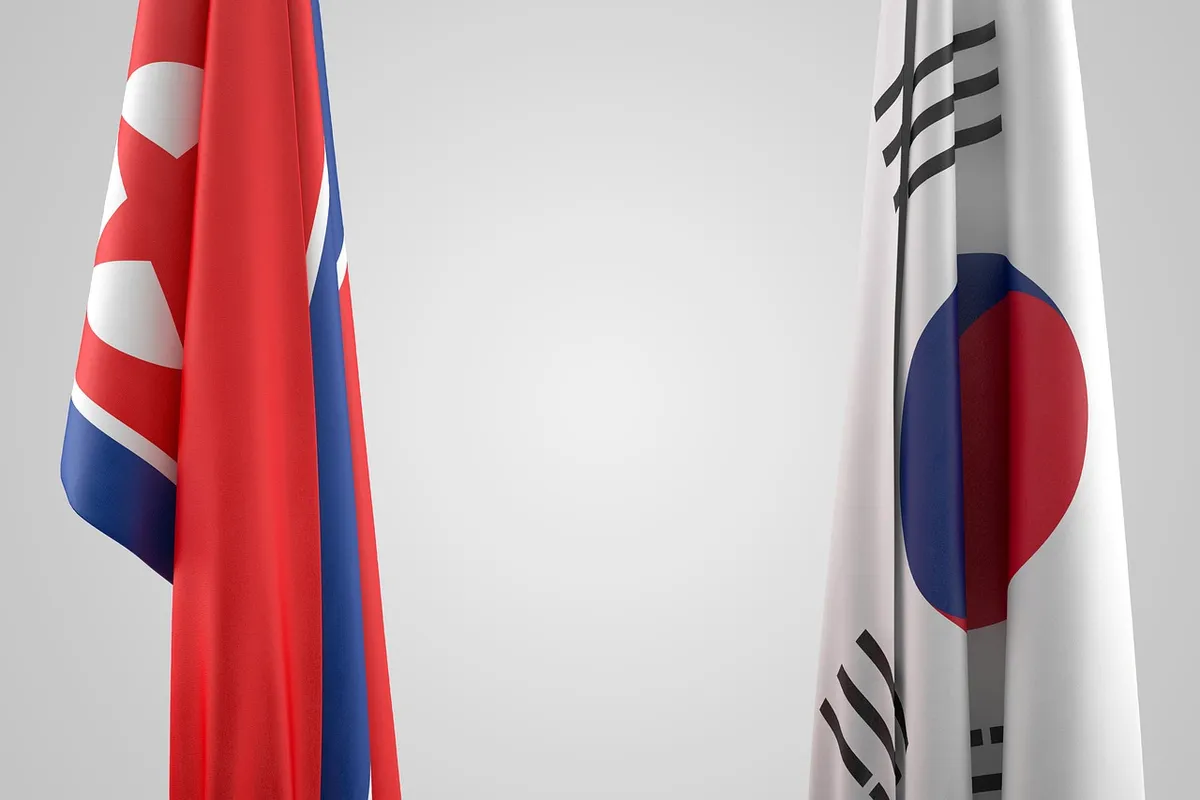
Additionally, the UN Security Council Sanctions Committee on North Korea was established, which was supported from 2009 to 2024 by a Panel of Experts. This period of expert oversight provided technical depth to the enforcement of global mandates.
What are the specific contents of these bans?
A customs officer inspects a cargo container at a busy shipping port. Understanding the diplomatic airball use requires looking at the specific technical bans that affect trade and cooperation.
The measures provided by Security Council resolution 2321 introduce additional bans on trade, economic, banking, financial, scientific and technical cooperation with North Korea. These restrictions are designed to limit the resources available for sensitive programs.
Such bans create a complex environment where any technological shift must navigate strict oversight.
How do internal tensions affect diplomacy?
A group of citizens gathers in a public square, discussing recent news updates. The North Korea tech shift is often viewed through the lens of these domestic and international tensions.
Public perception and political shifts play a role in how strategies are perceived globally. For example, a 2014 government-funded survey found 13% of South Koreans viewed North Korea as hostile, while 58% of South Koreans believed North Korea was a country they should cooperate with.
These varying views highlight the complexity of regional relations. Furthermore, statements from officials like Kim Yo Jong and Kim Yong Chol indicated that North Korea had begun to treat South Korea as its enemy.
How does the history of the region impact current moves?
A researcher traces old maps in a quiet library, looking for connections between past and present. Maximizing foreign impact airball efforts are often shaped by these historical precedents.
The history of the region is marked by various interventions and political shifts. In the past, the Soviet Union opposed certain moves and refused to allow UNTCOK to operate in the North. Such historical friction provides context for why current diplomatic maneuvers are so carefully calculated.
Every action taken today is a response to the long-standing legal and political structures built over decades of tension.
- How did international sanctions begin?
- What role did the UN Security Council play?
- How did sanctions expand over time?
The same subject is also called Airball launch strategy DPRK.
This part also covers Airball for international trust.
This part also covers North Korea innovation tactics.
Maximizing foreign impact airball
Related
- How did North Korea manage large-scale munitions supply?
- North Korea economic shift: Tips on UN resolution 2321
What are the conditions for diplomatic engagement? 1. The evolving political tensions in the Korean Peninsula dictate the feasibility of any diplomatic engagement. 2. The history of UN Security Council resolutions provides the legal backdrop against which such engagements must occur. 3. The impact of economic bans limits the available avenues for negotiation.
The article examines how these conditions shape the strategic maneuvers employed by North Korea. A cautious approach is warranted because past actions demonstrate the severity of international responses.
The comparison between South Korean public opinion and official statements shows the difficulty in establishing common ground. These differing views complicate any potential path toward cooperation, even when international pressure exists.
This analysis examines the interplay between domestic sentiment and external economic restrictions. The shifts in regional dynamics necessitate constant reevaluation of diplomatic approaches.







Comments 0