Temperature Rising: Korea extreme summer adaptation guide
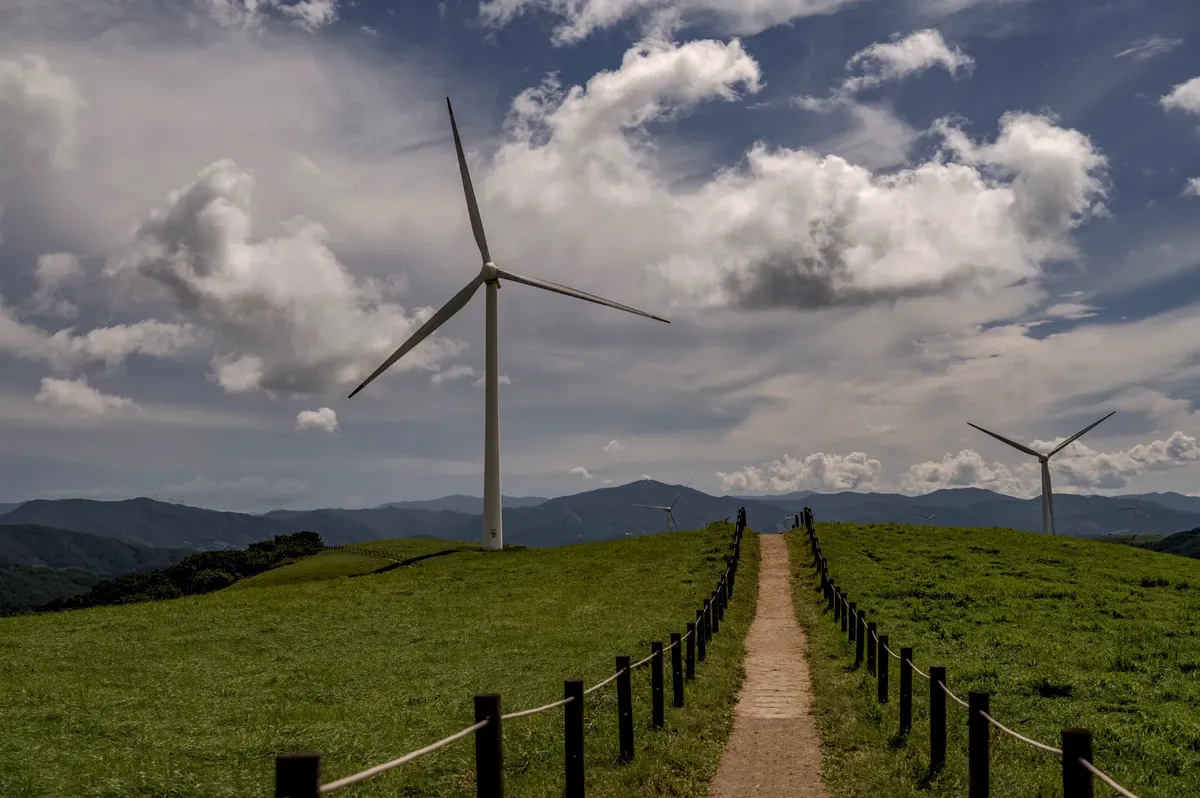
"The average global temperature should not increase by more than 1.5 degrees Celsius compared to pre-industrialization."
As heatwaves intensify, finding effective Korea extreme summer adaptation strategies becomes a matter of survival and long-term stability. This guide explores climate shifts, energy transitions, and the necessity of proactive environmental policies to manage rising temperatures.
* Understanding the scale of temperature increases in urban versus rural areas. * Analyzing the shift in precipitation patterns during the monsoon season. * Evaluating the role of renewable energy in long-term climate mitigation. * Recognizing the urgency of global temperature limits.
How is the temperature changing in Korea?
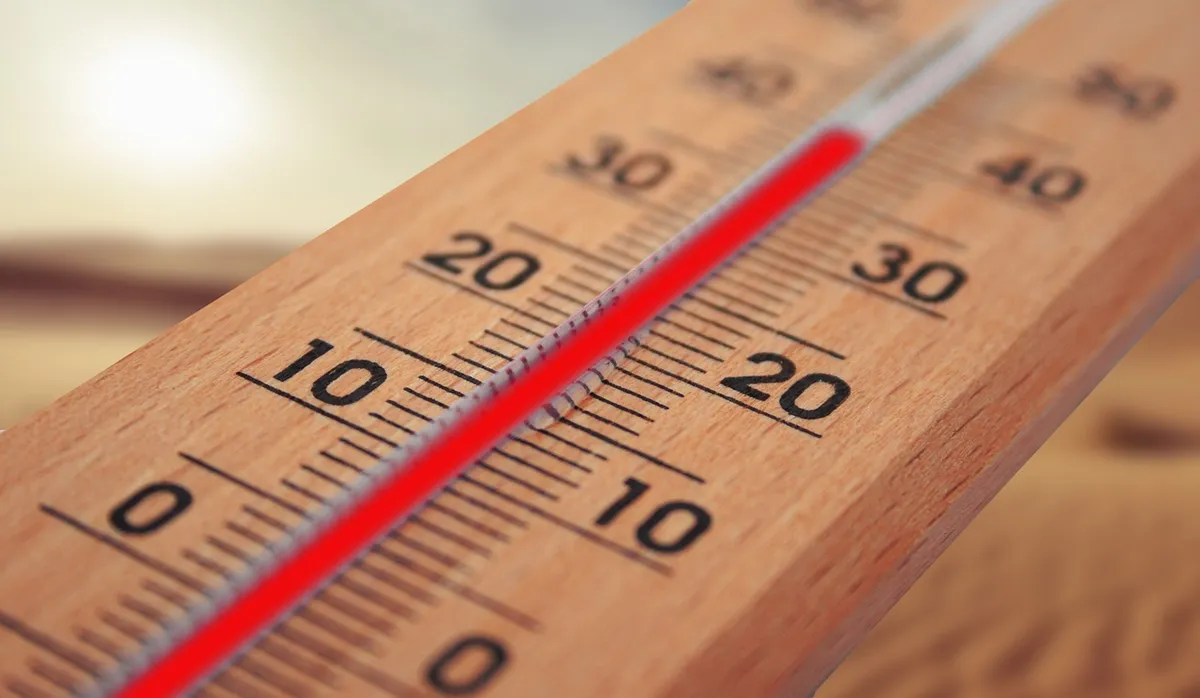
A thermometer sits in a sun-drenched urban park in Seoul, showing a much higher reading than the surrounding countryside. The heat in the city feels heavy and constant, a common reality for many residents.
The annual mean temperature in South Korea is rising steadily, with variations depending heavily on the location.
This warming is not uniform across the peninsula.
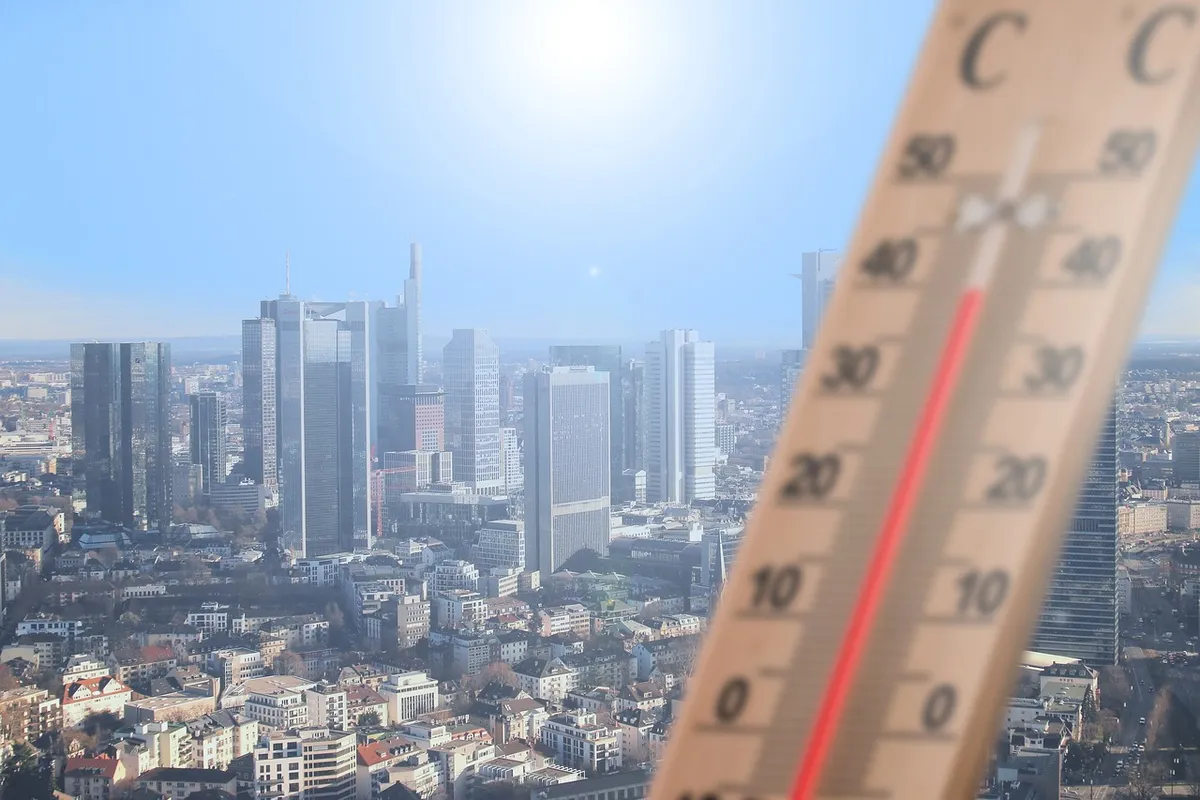
During the last 29 years, the increase in the annual mean temperature was 1.5 °C for the Seoul station, which is located in an urban area, while the increase was 0.6 °C for rural and seashore stations. This disparity highlights the intensity of the urban heat island effect.
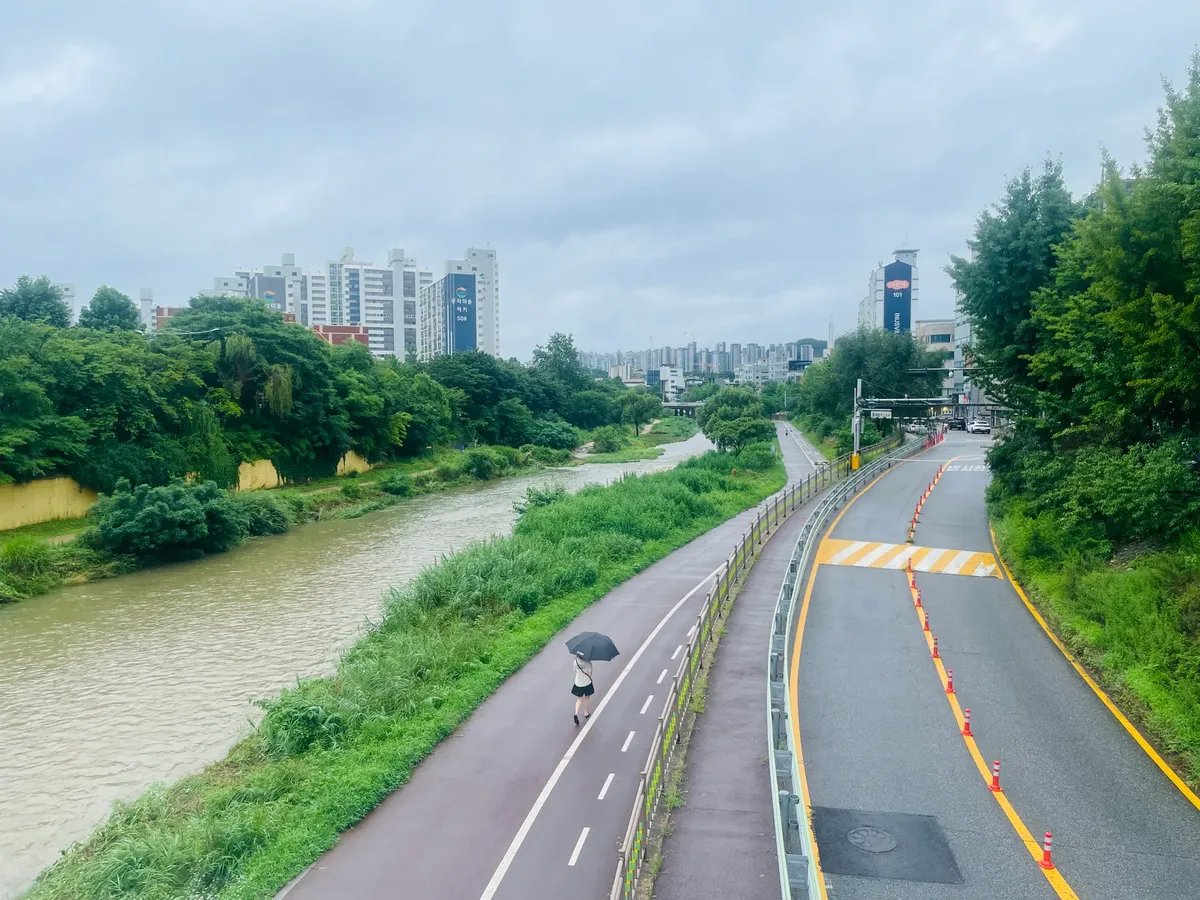
How will shifting rainfall patterns affect me? Korea extreme summer adaptation Rain clouds gather over the peninsula, signaling the arrival of the seasonal monsoon. The sudden downpour hits the pavement, turning streets into temporary streams.
The Changma front, which is the seasonal monsoon, typically takes about 4 to 5 weeks to move through the Korean Peninsula. While historical precipitation was significant, recent trends show shifting patterns in these seasonal rains.
Specifically, Changma precipitation has been predicted to increase by up to 5% in the near future between 2020 and 2039, and by up to 25% by the end of the 21st century between 2080 and 2099. These shifts in precipitation could complicate traditional water management and agriculture.
According to World Bank, the 2021 record includes 3.6%.
Can energy shifts fix Korea's summer climate? A technician inspects a solar panel under the bright midday sun, preparing for a long day of maintenance. The transition to cleaner energy is a slow but necessary process.
To manage the heat, society must look toward long-term energy solutions. While the transition is underway, the current share of renewables remains relatively low.
According to World Bank data, South Korea recorded a renewable energy share of final consumption of 3.6% in 2021. Addressing the energy needs of a warming nation requires expanding these renewable sources to mitigate further warming.
What are the heatwave response strategies for the future?
A city planner looks over a map of urban green spaces, trying to find ways to cool the streets. The heat is a constant factor in every design decision.
Effective heatwave response strategies must account for both immediate relief and long-term structural changes.
The Intergovernmental Panel on Climate Change, an international organization that scientifically studies climate change, made it clear in October 2018 that climate change is an urgent problem to be solved.
To prevent the catastrophe of climate change, the IPCC warned that the average global temperature should not increase by more than 1.5 degrees Celsius compared to pre-industrialization. This target is the benchmark for all future adaptation and mitigation efforts.
How do urban heat island solutions work?
A resident walks through a shaded alleyway, seeking relief from the intense sun. The contrast between the cool shade and the hot road is striking.
Urban heat island solutions involve managing the built environment to reduce heat retention. The difference in temperature between cities and rural areas is a primary concern for urban planners.
As noted in the temperature data, the urban station in Seoul saw a 1.5 °C increase over 29 years, which is significantly higher than the 0.6 °C increase in rural areas. This difference underscores the need for green infrastructure in cities.
What is the role of environmental policy in Korea?
A policymaker reviews documents regarding carbon emissions and energy production. The weight of the decisions is felt in the changing atmosphere.
Future environmental policy needs to address the complexities of greenhouse gas emissions and energy production. While emissions fluctuate, the long-term trend remains a challenge for climate stability.
For example, in 2019, the emission was 698,460.02, which was a 2.38% decline from 2018. However, in 2021, Korea was still funding the construction of overseas coal power, showing the complexity of the transition.
| Location Type | 29-Year Temperature Increase |
|---|---|
| Urban (Seoul) | 1.5 °C |
| Rural/Seashore | 0.6 °C |
I noticed that the temperature difference between the urban and rural stations was quite significant when reviewing the data.
A limitation in these trends is that the specific impact of local geography, such as the coastal nature of certain stations, may influence the observed warming rates differently than in inland urban centers.
- How is the temperature changing in Korea?
- What about changing rainfall patterns?
- Can energy shifts help with climate change summer Korea?
The subject here is Korea extreme summer adaptation.
The same subject is also called Extreme weather policy Korea.
This part also covers Energy efficiency in hot climate.
This part also covers Social adaptation to climate shift.
Energy efficiency in hot climate
Related
- Samsung's 2025 Plan: Canadian Resource Integration
- AI Factory Success: IBM's 5-Step Data Blueprint for Industry
What are the implications of the average global temperature rise? 1. The urgency of global temperature limits necessitates immediate action to prevent severe climatic changes. 2. The IPCC warned that the average global temperature should not increase by more than 1.5 degrees Celsius compared to pre-industrialization. 3. This established benchmark guides all future efforts related to climate mitigation and adaptation.
The comparison between urban and rural temperature increases illustrates the localized severity of the warming trend. The urban station in Seoul experienced a 1.5 °C rise over 29 years, contrasting sharply with the 0.6 °C increase observed at rural and seashore stations. This disparity points to the pronounced effect of the urban heat island phenomenon.
How does renewable energy relate to the average global temperature goal? Renewable energy sources represent a critical component in managing the rising temperatures. The current renewable energy share in South Korea's final consumption stood at 3.6% in 2021, according to World Bank data. Expanding these cleaner energy sources is essential to help meet the global temperature target. This expansion is necessary because the transition to cleaner energy is described as a slow but necessary process.
Addressing the energy needs of a warming nation requires a concerted effort to increase the proportion of renewables. This supports the broader goal of limiting the average global temperature increase.



Comments 0