The ocean isn't just a vast expanse of water anymore; it is
The ocean isn't just a vast expanse of water anymore; it is becoming the primary highway for the world’s transition toward cleaner energy.
South Korean shipbuilders are currently dominating the global maritime landscape, securing massive contracts for LNG (Liquefied Natural Gas) carriers that position them as the backbone of the international energy transition. By mastering the complex engineering required to transport and store gas at extreme temperatures, these companies have moved beyond simple manufacturing into a high-value "system integration" role that few can replicate.
Key Takeaways: * Massive Market Dominance: Major Korean shipbuilders secured approximately $29.1 billion in orders for LNG carriers and related vessels (like FLNG) in the first half of the year alone, hitting their targets ahead of schedule. * Unrivaled Technical Moat: South Korea has established a "super-gap" in cryogenic engineering, specifically in managing materials at -163°F (-108.9°C), leading even traditional rivals to seek technical cooperation. * Diversified Portfolio: The shift toward high-value vessels like FSRUs (Floating Storage and Regasification Units) shows a move toward complex, multi-functional maritime infrastructure. * Economic Ripple Effect: These successes fuel a massive domestic ecosystem of component manufacturers, creating thousands of jobs and stabilizing the regional economy for years to come.
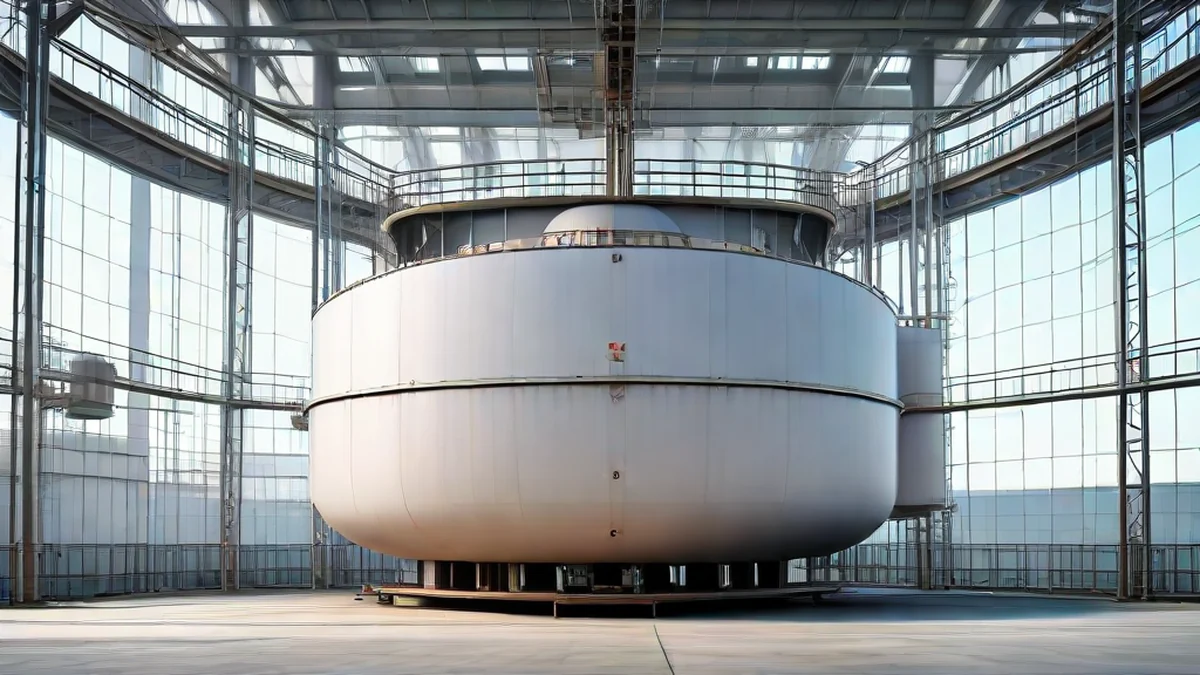
Why is the demand for LNG carriers surging so rapidly right now?
To understand why these ships are the "gold mine" of the current decade, we have to look at the global push for carbon neutrality. As nations scramble to move away from coal and oil, Liquefied Natural Gas (LNG) has emerged as the primary "bridge fuel"—a cleaner alternative that can be scaled quickly while hydrogen infrastructure is still being developed.
However, transporting LNG isn't a simple matter of putting gas in a tank. To keep natural gas in a liquid state, it must be cooled to an incredible -163°F (-108.9°C). This requires advanced material science and precision engineering to ensure that the cargo tanks don't become brittle or crack under extreme cold. South Korean shipbuilders haven't just been "building boats" for years; they have been perfecting the specialized metallurgy and complex piping systems required to handle these volatile conditions safely. Because of this, their ships are seen as the safest, most reliable vessels on the water, making them the go-to choice for global energy giants.
What does that $29.1 billion order volume actually signify?
When you hear a figure like $29.1 billion in new orders over just six months, it’s easy to see it as just a win for the balance sheets of companies like HD Korea Shipbuilding, Samsung Heavy Industries, and Hanwha Ocean. But in the maritime world, that number represents something much deeper: trust.
In an era of global supply chain volatility, shipowners are hesitant to place orders with manufacturers who can't guarantee precision or stick to a timeline. The massive influx of orders proves that these yards have mastered "System Integration." For example, HD Korea Shipbuilding’s recent acquisition of contracts for FSRUs (Floating Storage and Regasification Units) totaling roughly 885 million KRW is a prime example. These aren't just transport ships; they are floating chemical plants. They require complex integration of propulsion, gas treatment, and regasification systems.
I remember standing on the edge of a shipyard in Ulsan a few years back, watching these massive structures take shape. The sheer scale is humbling—it’s not just a ship; it’s a moving city designed to withstand the most punishing conditions of the open sea. That level of manufacturing precision is what earns those multi-billion dollar contracts.
Why are global rivals like Japan seeking Korean technical expertise?
There has been significant buzz regarding international competitors, particularly Japan, reaching out to South Korea for cooperation on LNG carrier technologies. This isn't just a polite gesture; it’s a strategic admission of the "super-gap" (the technological lead) that South Korean yards have established.
While Japan has long been a powerhouse in shipbuilding, the specific requirements of modern LNG transport—such as high-pressure gas processing and the durability of specialized membrane cargo tanks—have moved into a realm where Korea currently holds the most extensive data and manufacturing experience. For a competitor to ask for cooperation means they recognize that Korea's R&D in cryogenic materials is years ahead of the curve. This "super-gap" makes it incredibly difficult for other nations to catch up quickly, effectively giving South Korean shipbuilders a massive competitive advantage in the global market for at least the next decade.
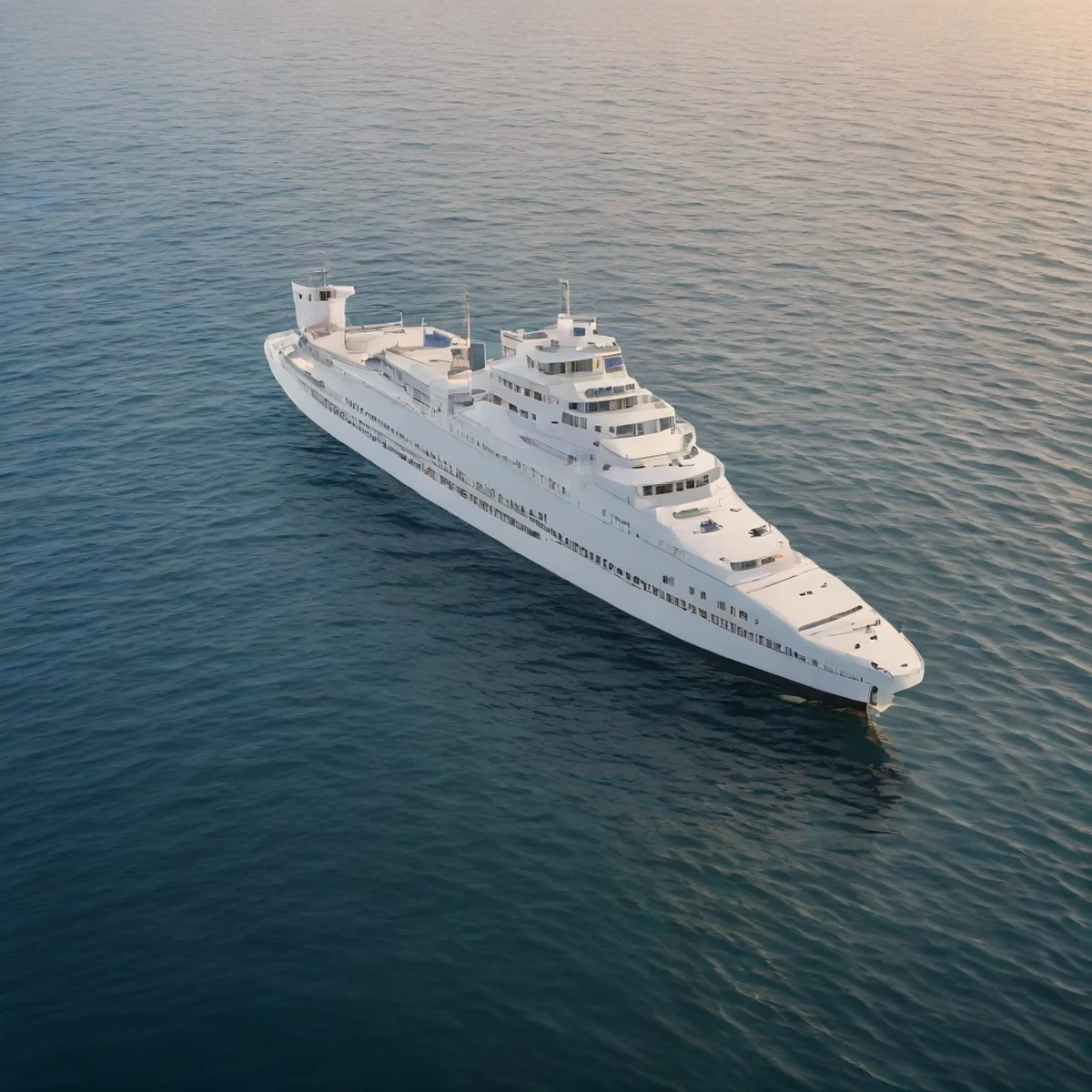
How will this boom impact the broader economy and workforce?
The success of these massive orders creates a "multiplier effect" that reaches far beyond the shipyard gates. When an order for a fleet of LNG carriers is signed, it triggers a chain reaction across the entire industrial supply chain.
First, there is the component manufacturing boost. Specialized pumps, engines, and gas-handling systems are often produced by a network of medium and small specialized firms. These companies see their backlogs fill up for years, allowing them to reinvest in their own facilities and R&D. Second, there is the employment factor. Building these high-tech ships requires thousands of skilled workers—welders, engineers, designers, and logistics experts. This creates a stable, high-wage job market that sustains entire coastal regions.
Ultimately, this isn't just about building boats; it’s about securing a seat at the table in the global energy transition. By becoming the primary providers of the infrastructure needed to move the world's gas, these shipyards ensure that the domestic economy remains tied to the very heart of global energy security.
LNG Ship Technology and Order Status Overview
| Category | South Korean "Big Three" (HD Korea Shipbuilding, Samsung Heavy Industries, Hanwha Ocean) | Key Competitors & Market Context |
|---|---|---|
| Core Success | ~29.1 Billion USD in H1 orders (including LNG and FLNG) | Expanding market share due to high global demand for "bridge fuels." |
| Technical Moat | Expertise in Membrane cargo tanks, high-pressure gas processing, and FSRU integration. | Traditional capabilities exist elsewhere, but speed of adopting new "green" tech lags behind Korea. |
| Strategic Position | Leading global provider of LNG transport and regasification solutions. | Increasing requests from rivals (e.g., Japan) for technical cooperation/collaboration. |







Comments 0