5-Hour Flight: Korea's Geographic Advantage for Students
Why are Vietnam's brightest minds trading the American Ivy League dream for a strategic move to South Korea?
The surge of elite Vietnamese students heading to South Korea isn't about K-pop trends; it's a calculated career play to tap into high-tech industrial ecosystems.
By choosing South Korea, students gain access to world-class STEM training in sectors like semiconductors at a fraction of the cost of Western education.
* Industry-Linked Learning: Direct exposure to global leaders in AI and advanced manufacturing. * Economic Efficiency: Annual tuition rates typically range from $3,000 to $7,000 USD. * Strategic Career Pathing: High potential for transitioning from student visas (D-2) to professional employment (E-7). * Geographic Advantage: A short 5-hour flight from Hanoi compared to 15+ hours for the US.
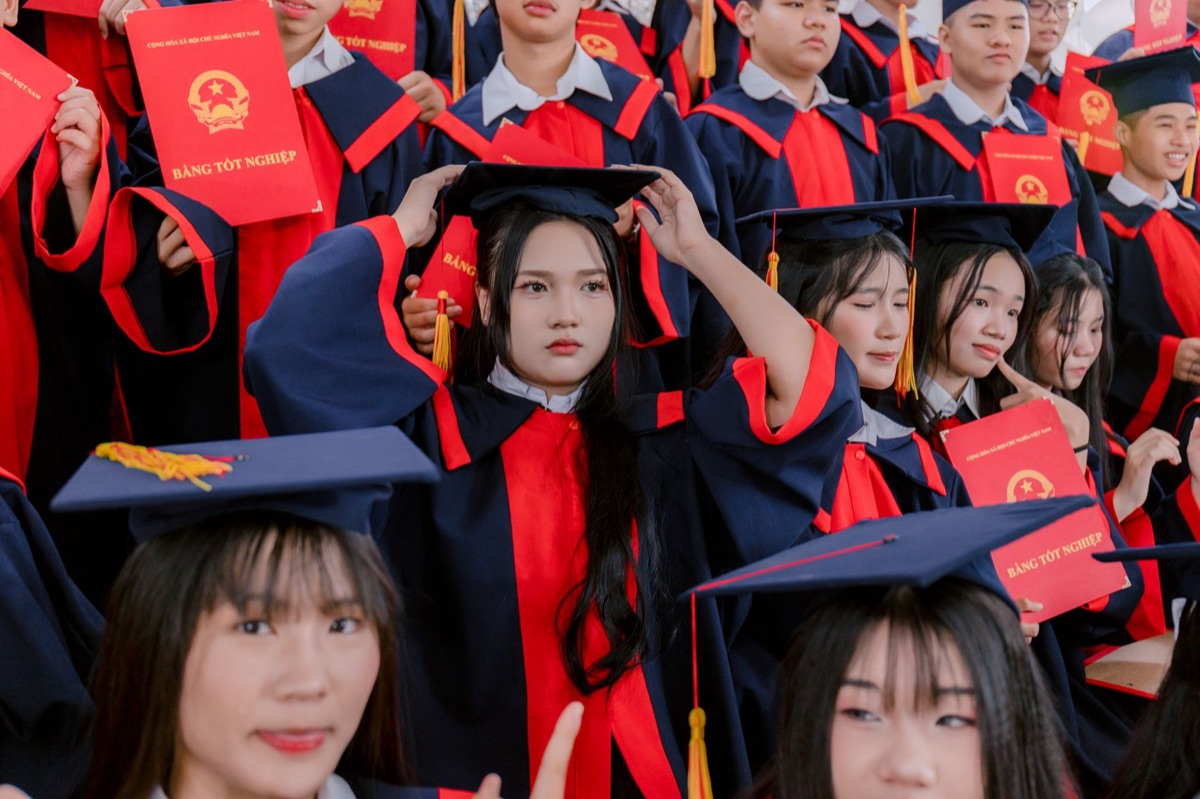
Why are Vietnam's top students prioritizing South Korea?
For the academic elite in Vietnam, the decision to study abroad is driven by "industrial connectivity." While Vietnam's domestic education system is improving, South Korea offers specialized, high-tech rigor.
The competitive nature of the South Korean classroom is seen as a feature, not a bug. Students believe this intense environment prepares them for high-pressure corporate worlds in Seoul or Singapore.
I recently spoke with a Vietnamese graduate currently working in a tech firm in Seoul. He mentioned that "studying in Korea wasn't just about the degree; it was about being in the same room as the engineers driving the semiconductor revolution."
This proximity to giants like Samsung provides a practical edge. According to the World Bank's 2025 report on Southeast Asian labor trends, specialized technical training in regional hubs is becoming a primary driver for high-income migration.
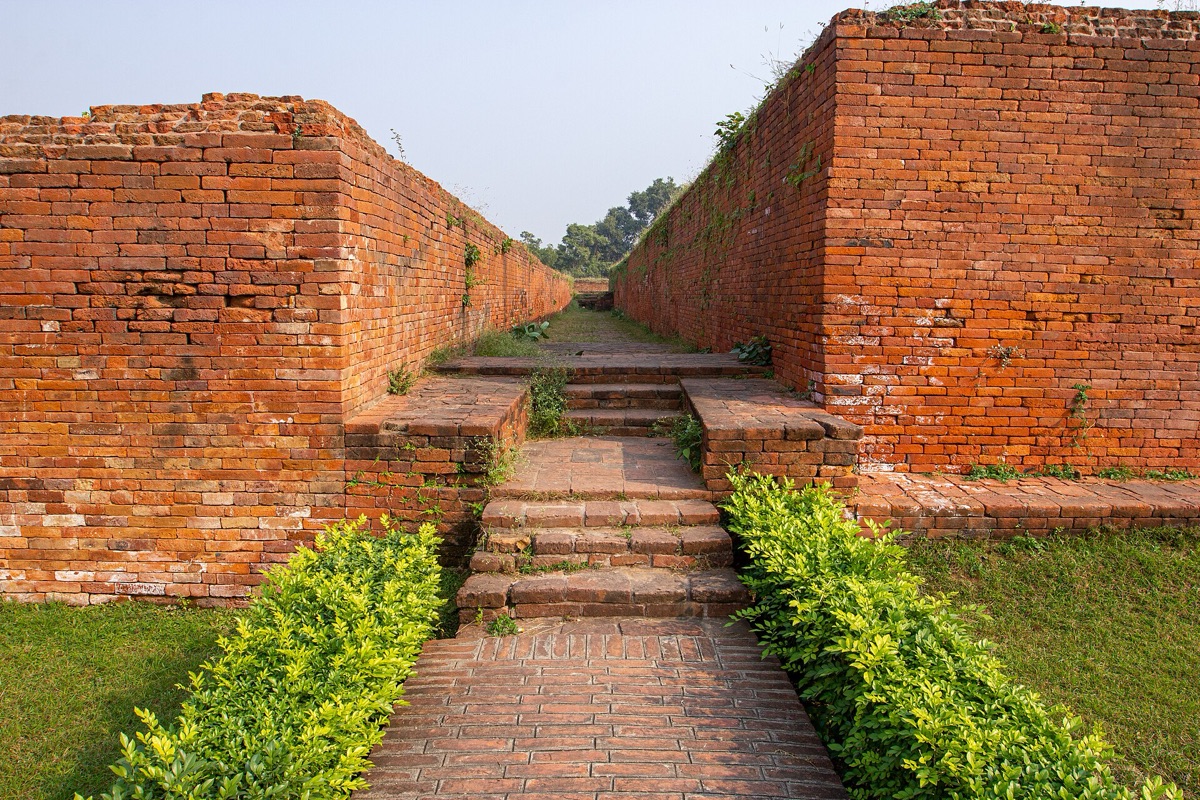
What is the step-by-step process for studying in Korea?
Navigating the transition from a Vietnamese university to a South Korean one requires a highly disciplined approach. It is less about "applying to school" and more about "mapping a career."
- Academic Profile Assessment: Evaluate your GPA and standardized test scores against target university requirements.
- Language Proficiency: Secure your TOPIK (Test of Proficiency in Korean) scores early, as this is critical for both admission and future employment.
- Major and Career Mapping: Align academic choices, such as Robotics or AI, with South Korea's current industrial strengths.
- Document and Visa Preparation: Compile transcripts and proof of financial solvency to secure a D-2 student visa.
In 2026, this visa process typically takes between 2 to 4 weeks, provided all documentation is verified.
How does the cost-to-benefit ratio compare?
When you look at the hard numbers, the financial logic becomes clear. For a middle-class family in Vietnam, the "return on investment" for a South Korean degree often outperforms American universities.
| Feature | South Korea Study Path | US/Europe Study Path |
|---|---|---|
| Avg. Annual Tuition | ~$3,000 – $7,000 USD | Significantly higher ($25k+) |
| Flight Time (from Vietnam) | ~5 Hours | 15–24+ Hours |
| Cultural Alignment | High (Confucian values) | Moderate to Low |
| Job Market Entry | Direct link to tech/defense | Highly competitive/Visa hurdles |
However, it is worth noting that while tuition is lower, the cost of living in cities like Seoul has seen upward pressure in 2025 and 2026. Students must budget carefully for housing to maintain focus.
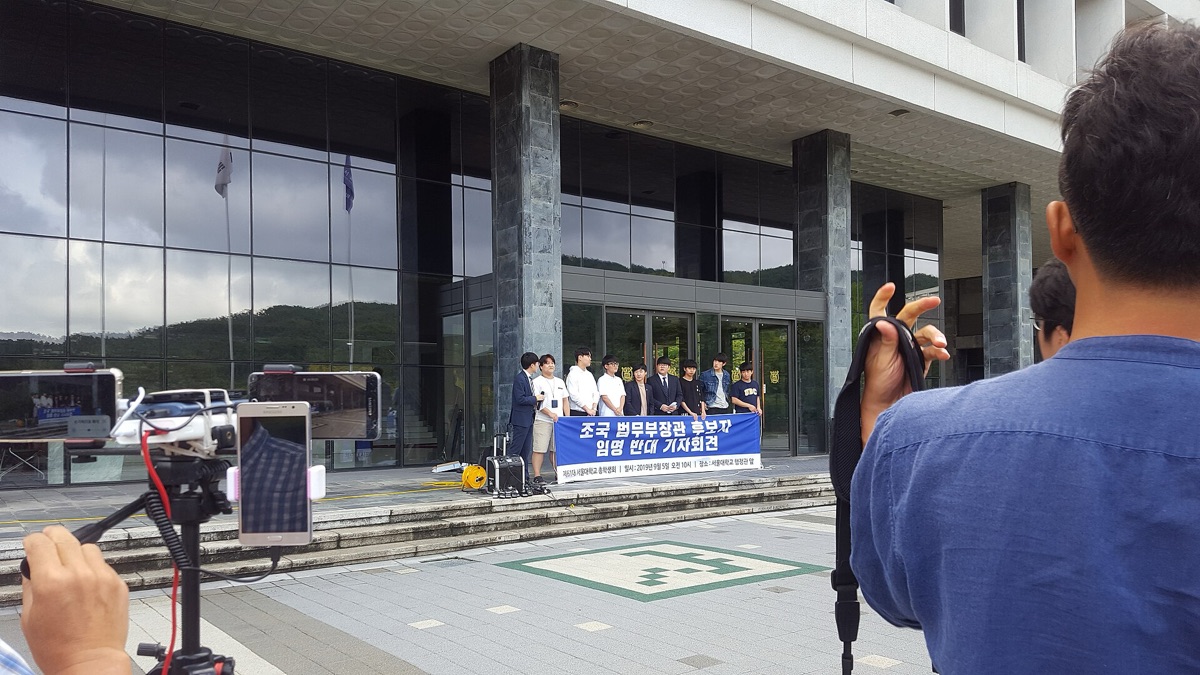
How is South Korea's industrial strength driving this trend?
The "pull factor" for these students is the sheer momentum of the South Korean economy. South Korea is currently positioning itself as a global superpower in semiconductors and defense technology.
The South Korean government is aggressively investing in "mega-projects" to maintain leadership in the semiconductor supply chain. As AI hardware demand skyrockets in 2026, this investment is reaching record levels.
For a student specializing in electrical engineering, being in Korea means being at the epicenter of the AI hardware revolution.
Furthermore, South Korea's rising status in the global defense industry offers unique opportunities. As the country expands its footprint in international defense exports, the demand for bilingual professionals is reaching an all-time high.
What are the potential challenges for international students?
It would be a mistake to view this path as entirely frictionless. The South Korean academic environment is notoriously high-pressure, which can lead to significant psychological stress.
Additionally, the transition from a student visa to a professional work visa (E-7) is not guaranteed. It depends heavily on the current labor market and the student's ability to prove high-level proficiency.
Most experts recommend achieving a TOPIK level of 4 to 6. This ensures that language barriers don't prevent them from securing high-paying roles after graduation.




Comments 0