K-Beauty Growth: Indie Brands Drive 15% Export Surge
Beyond the viral TikTok trends, K-Beauty is fundamentally rewriting the rulebook for global skincare through high-tech formulations and a shift toward skin health.
K-Beauty has evolved from a niche trend into the global gold standard for skincare innovation, driven by advanced ingredient science and agile indie brands. As of mid-2026, the industry is defined by a transition from heavy, corrective cosmetics to lightweight, hydration-focused routines that prioritize long-term skin barrier health.
* Formulation Innovation: A focus on "breathable" textures like milky toners and lightweight gels that prioritize deep hydration. * Market Democratization: A massive shift from conglomerate-led sales to a diverse ecosystem of agile indie brands and specialized manufacturers. * Aesthetic Leadership: Defining global beauty standards through concepts like "Glass Skin" and "Skin Minimalism." * Economic Powerhouse: Record-breaking export growth, particularly within the North American and Western markets.
How is K-Beauty Redefining Skincare Technology?
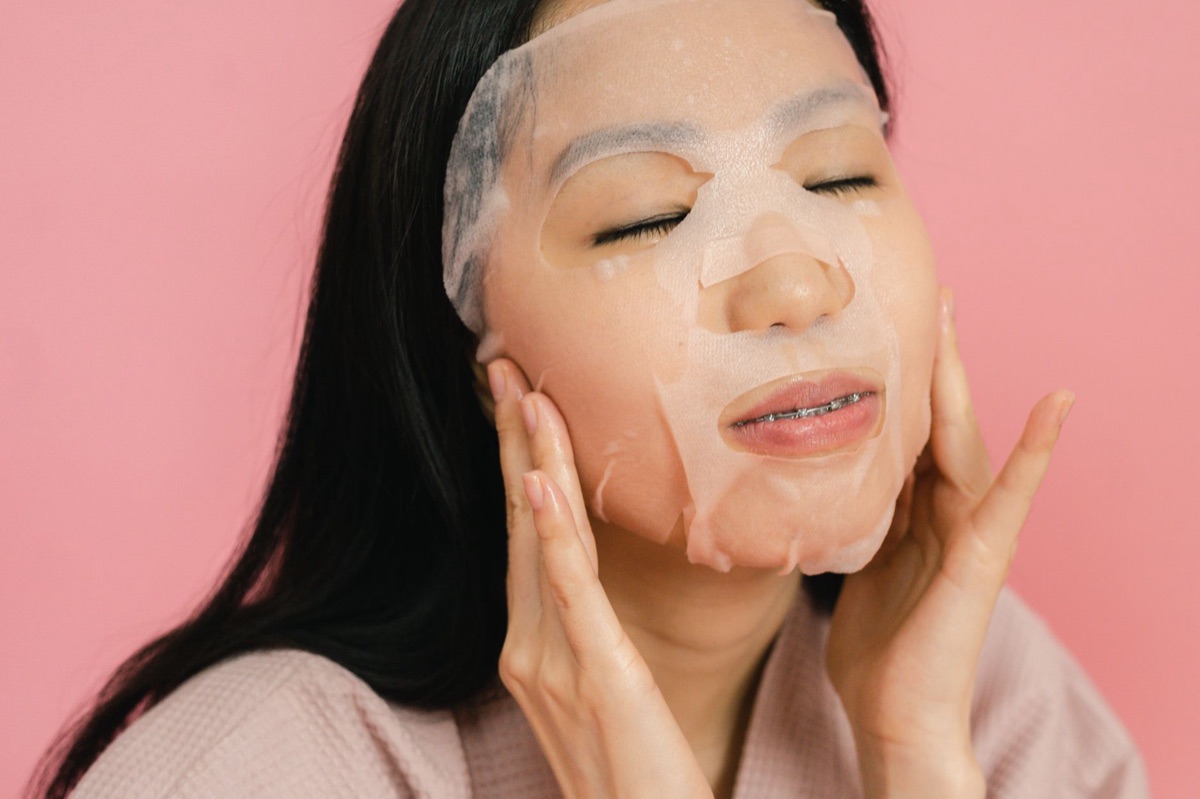
The true engine behind the K-Beauty movement isn't just marketing; it is a radical departure in formulation philosophy. While traditional Western brands have historically focused on "corrective" beauty—using high-strength actives to mask or fix imperfections—K-Beauty focuses on "preventative" hydration and maintaining the skin's natural equilibrium.
Since 2025, we have seen an explosion in what experts call "the aesthetics of texture." Instead of heavy, occlusive creams that sit on top of the skin, K-Beauty has mastered lightweight, high-absorption formulas. Think of milky toners that feel like silk or ultra-fine facial mists that provide an instant moisture surge without any greasy residue.
I remember testing a new line of fermented essence at a trade show in Seoul last month. I applied it to my hand, and unlike the heavy serums I usually use, this disappeared into my skin in under ten seconds, leaving nothing but a dewy, supple glow. That immediate absorption tech is exactly why global consumers are switching their routines.
This technical edge is closely tied to ingredient transparency. Today’s savvy consumer wants to know exactly what is in their bottle. Korean manufacturers have stayed ahead of the curve by perfecting ways to stabilize high-performance, "clean" ingredients—like snail mucin or centella asiatica—making them safe for even the most sensitive skin types.

Why are Indie Brands Taking Over the Global Market?
The era of the "beauty giant" dominating the shelves is fading. The current growth surge is being led by smaller, nimbler players. According to the *Korea Chamber of Commerce and Industry's 2025 Cosmetics Industry Trend Report*, the share of indie brands in total cosmetic exports jumped by over 15% compared to the previous year, signaling a massive shift in market power.
The K-Beauty ecosystem has become incredibly efficient through three main pillars:
- Advanced Manufacturing (OEM/ODM): High-tech manufacturing hubs allow a small brand with a great idea to go from concept to a shelf-ready product in record time.
- Digital-First Storytelling: Brands use social media to build cult followings, bypassing traditional expensive advertising in favor of authentic community engagement.
- Hyper-Niche Targeting: Instead of "one size fits all," brands are creating specialized solutions for specific concerns like acne scarring, redness, or barrier repair.
This evolution ensures that K-Beauty isn't just selling more products; it is building brand loyalty through specialized, high-quality solutions that resonate with specific lifestyle needs.
What are the Key Trends Shaping 2026?
If you look at any major beauty forum right now, two terms dominate the conversation: "Clean Beauty" and "Glass Skin." K-Beauty hasn't just followed these trends; it has practically invented the roadmap for them.
| Trend Keyword | Core Concept | K-Beauty Strategy |
|---|---|---|
| Clean Beauty | Safety, eco-friendly packaging, ethical sourcing | Expanding vegan certifications and sustainable materials |
| Glass Skin | Transparent, luminous, and smooth complexion | Developing high-moisture toners and lightweight serums |
| Skip Care | Simplifying routines by focusing on multi-tasking | Creating high-performance, multi-functional products |
"Glass Skin"—the look of skin so hydrated it resembles a smooth pane of glass—has become a cultural phenomenon. It has turned skincare from a chore into a daily ritual of self-care.
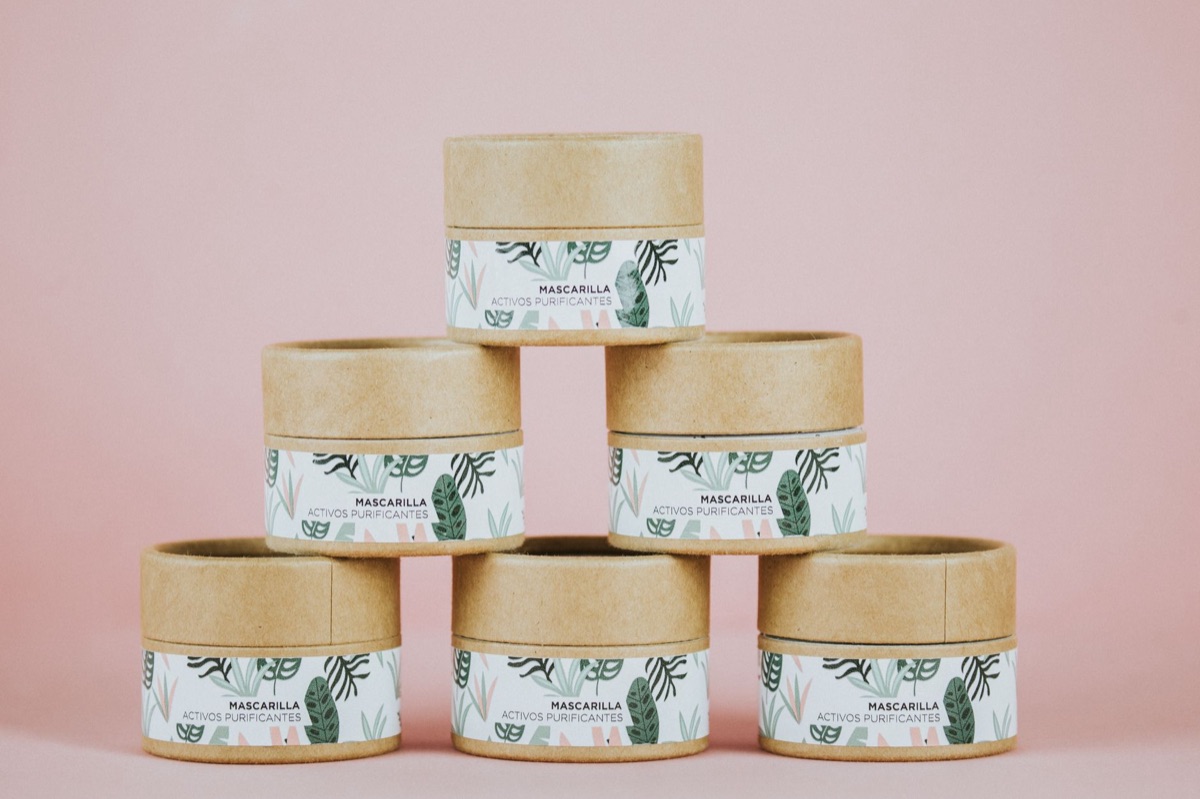
However, it is worth noting that this movement faces some scrutiny. As the "multi-step" routine gains popularity, critics argue it encourages over-consumption. To stay relevant, the industry is already pivoting toward "sustainable innovation," balancing high-performance results with eco-conscious packaging and mindful consumption.
Where is the Growth Coming From?
The data confirms that K-Beauty's expansion is no longer just limited to Asia. According to *Korea Customs Service 2025 Annual Export Statistics*, cosmetic exports hit an all-time high, growing by 12.5% year-over-year.
The most significant growth is happening in the United States. The *KOTRA (Korea Trade-Investment Promotion Agency) 2026 Global Market Outlook Report* predicts that the market share of K-Beauty indie brands in North America will climb from 8% to 14% this year.
| Target Market | Primary Driver | Product Focus |
|---|---|---|
| USA | Indie brand innovation | Specialized serums & barrier repair |
| Japan | Gen Z trend-seekers | Trendy, aesthetic skincare routines |
| SE Asia/Taiwan | Climate-specific needs | Lightweight brightening & hydration |
This shows that Korean manufacturing has moved far beyond "affordable alternatives." They are now competing directly in the premium tier, offering high-value products that justify their place in luxury skincare cabinets worldwide.




Comments 0