Korean Food Trends: 2025 Projections Show Massive US Growth
From frozen aisles to viral TikTok trends, Korean cuisine has officially moved from niche ethnic markets to the center stage of American grocery stores.
Korean food is no longer just a trend; it has evolved into a mainstream lifestyle staple across North America. Driven by technological breakthroughs in flash-freezing and the massive cultural influence of K-content, products like frozen kimbap and spicy Buldak noodles are dominating major retail chains.
* Technological Breakthroughs: Advanced flash-freezing allows frozen kimbap to maintain a "just-made" texture after reheating. * Viral Social Dynamics: The "Fire Noodle Challenge" transformed instant ramen from a quick meal into a global social media phenomenon. * Mainstream Accessibility: K-food has transitioned from specialty Asian markets to the main aisles of giants like Costco and Trader Joe's. * Cultural Synergy: The massive popularity of Korean media creates a continuous cycle of demand for its culinary counterparts.
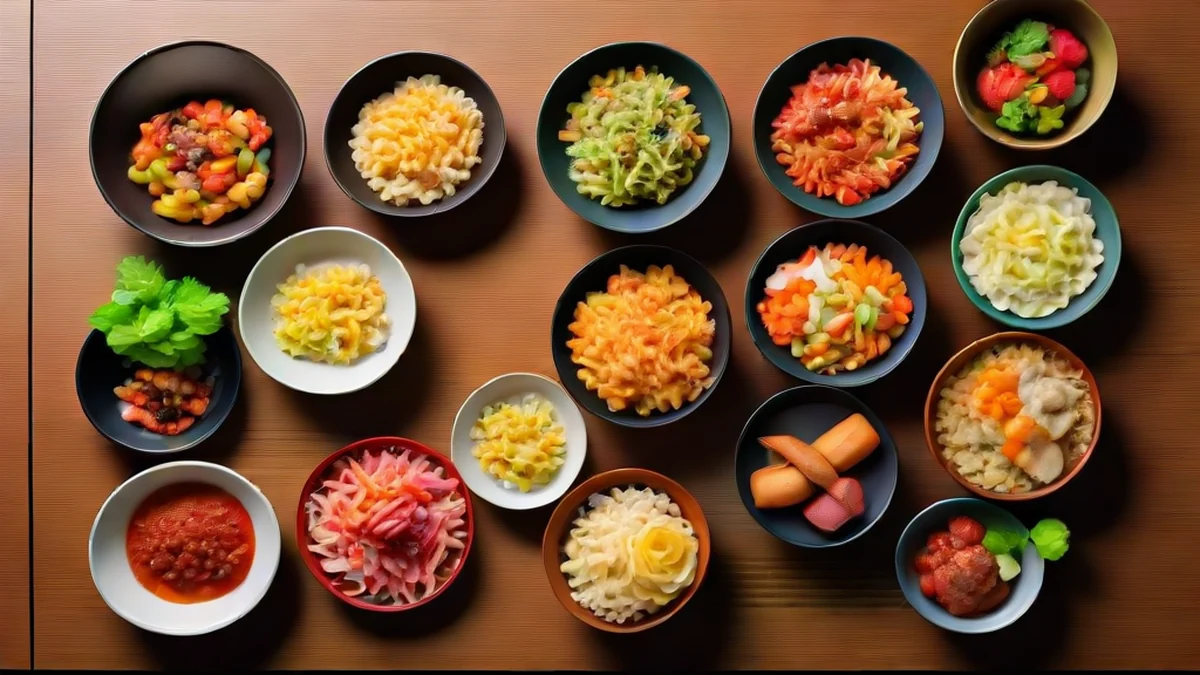
Why is K-Food Taking Over the U.S. Market?
The explosion of interest isn't just about flavor; it’s a perfect storm of cultural soft power and shifting consumer habits.
According to the Korea Customs Service's 2025 annual report, processed food exports reached a record $1.1 billion in value last year alone. This momentum has continued into the first half of 2026, showing unprecedented growth in North American markets.
In the past, if you wanted authentic Korean food, you had to visit a specific Koreatown or an Asian grocery store. Today, that's changing rapidly.
We are seeing these products integrated into the daily diet of the average American consumer who values convenience and bold flavors.
I remember walking into a local supermarket in suburban Virginia last month and being genuinely floored. The frozen section wasn't just hosting a few odd items; nearly an entire endcap was dedicated to various Korean rice rolls.
Seeing people in line with baskets full of these colorful, healthy-looking rolls felt like a sign that the "exotic" label is officially dead.
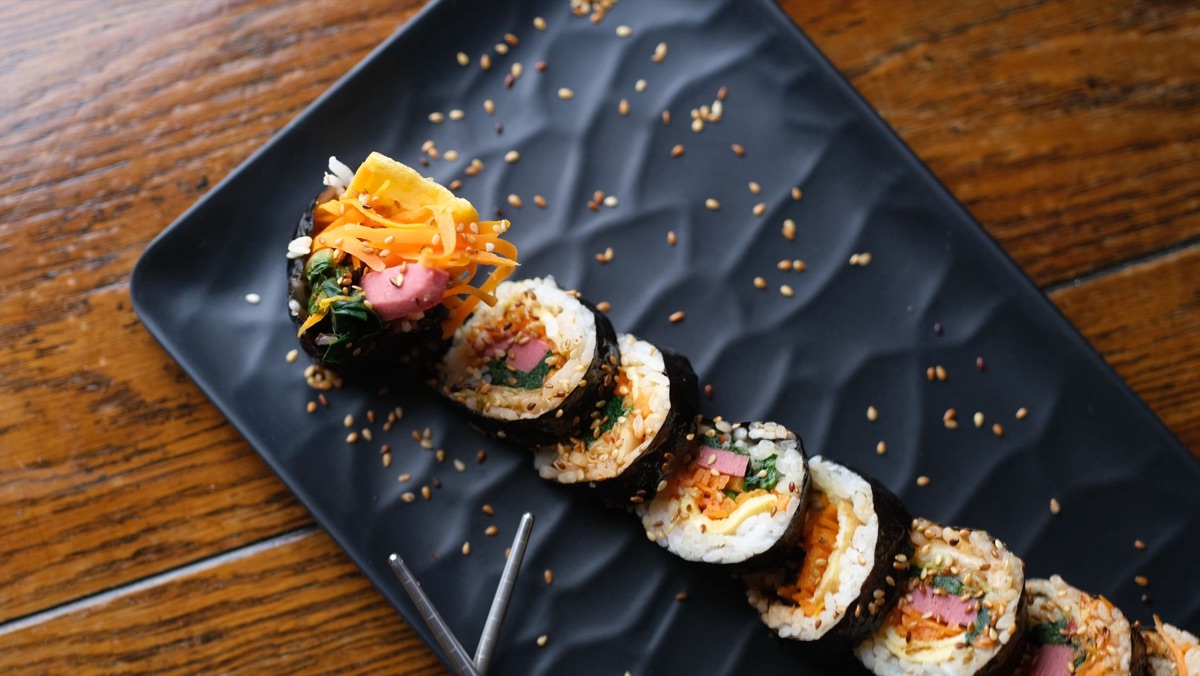
Frozen Kimbap: Solving the Freshness Puzzle
The biggest hurdle for kimbap (Korean seaweed rice rolls) has always been its shelf life. Traditionally, kimbap is a fresh item that spoils within a day or two.
This made it nearly impossible to export without losing quality. However, Korean food tech companies have cracked the code using sophisticated flash-freezing technology.
This process locks in moisture and texture at a molecular level. It ensures that when you microwave a roll, the rice stays fluffy rather than turning into a hard, dry brick.
| Feature | Traditional Fresh Kimbap | Innovative Frozen Kimbap |
|---|---|---|
| Shelf Life | 1–2 days (Extremely short) | Several months (Stable) |
| Primary Retailer | Local Asian Markets | Major US Supermarkets |
| Price Point | Higher (Labor intensive) | Lower (Mass production scale) |
| Consumer Base | Korean Diaspora | General American Public |
The successful rollout of frozen kimbap followed a very specific strategic playbook:
- R&D Focus: Developing freezing processes that preserve the delicate texture of seaweed and rice grains.
- Dietary Localization: Creating vegan-friendly options (using tofu or pickled radish) to match US dietary trends.
- Viral Marketing: Leveraging TikTok influencers to showcase "quick, healthy lunch" hacks.
- Retail Expansion: Moving from boutique organic shops into massive national distribution networks.
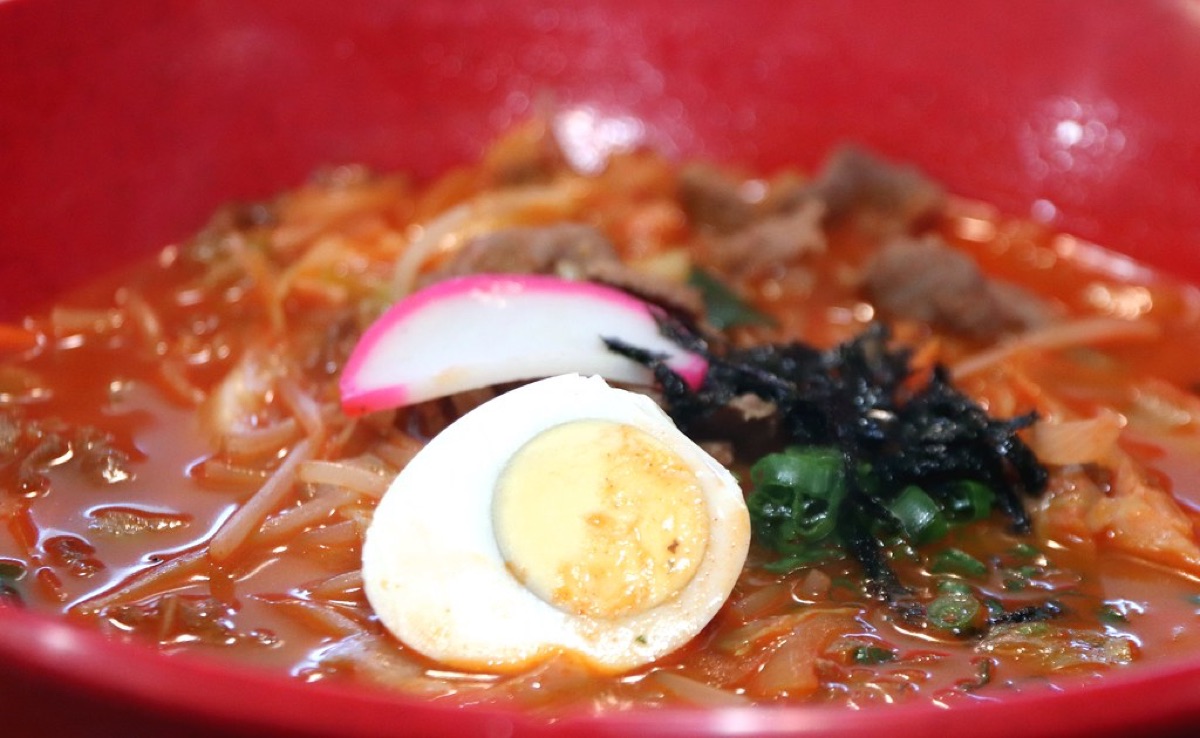
Buldak Noodles: More Than Just a Spicy Snack
If kimbap is the king of convenience, Buldak spicy noodles are the kings of engagement. This isn't just about eating; it's about participating in a global "challenge" culture.
According to a 2025 market analysis by Euromonitor International, the demand for spicy snack profiles in North America grew by 14% last year. Social media analytics show that keywords related to these noodles garner massive views every year.
The "Fire Noodle Challenge" turned a simple product into a piece of interactive entertainment. Users film their reactions to the intense heat and share them with the world.
This strategy essentially turns consumers into unpaid marketers. However, it isn't all about extreme heat. To avoid burnout or health concerns regarding excessive spice, brands have expanded their lineups.
They now include milder versions like Carbonara and Rose flavors. This ensures they appeal to a wider demographic beyond just the thrill-seekers.

What Lies Ahead for the K-Food Industry?
The momentum shows no signs of slowing down, but the industry faces new challenges. While the future looks bright with rising interest in Korean sauces (like Gochujang), there are hurdles to clear.
According to the 2026 Global Food Trends report by Mintel, consumer demand for "clean label" ingredients is at an all-time high. This means K-food brands must be transparent about additives.
Global supply chain volatility and fluctuating raw material costs could impact manufacturing margins. Additionally, as K-food becomes more mainstream, competition from other Asian cuisines is intensifying.
However, the integration of food tech—such as plant-based meat alternatives used in Korean recipes—suggests that the industry is prepared to pivot with changing consumer values.








Comments 0