Rail App Guide: Book Your Next Trip in Under 5 Minutes
Moving from multiple fragmented booking apps to a single, unified rail platform is set to redefine how we travel across the country.
The upcoming integration of major rail booking systems aims to eliminate the headache of switching between different carrier apps by providing a one-stop shop for all high-speed rail schedules and payments. This transition will streamline everything from seat selection to complex discount applications within a single interface.
* Unified Platform: Search, book, and pay for all major rail lines in one place without juggling separate apps. * Smart Discount Integration: Automatically apply early-bird, senior, or family discounts through an intuitive filter system. * Enhanced User Experience: Visual seat selection allows you to pick specific spots near outlets or windows with a single tap. * Streamlined Transfers: Future updates aim to allow seamless "single-ticket" transfers between different rail providers.

Why do we need a unified booking app in the first place?
Until now, traveling across different rail networks felt like navigating two different countries. If you wanted to catch an Amtrak regional line and then transfer to a high-speed corridor operated by a different provider, you often had to manage multiple accounts and payment methods.
The friction wasn't just about downloading extra software; it was about the mental load of comparing prices. For instance, if you were planning a trip from New York requiring a transfer, you’d have to jump back and forth between apps to see which combination saved you time or money.
According to the American Railway Association's 2025 Digital Infrastructure Report, fragmented booking systems resulted in a 14% increase in traveler transit friction last year. This "fragmented digital experience" has been a major pain point for travelers needing efficient connections.
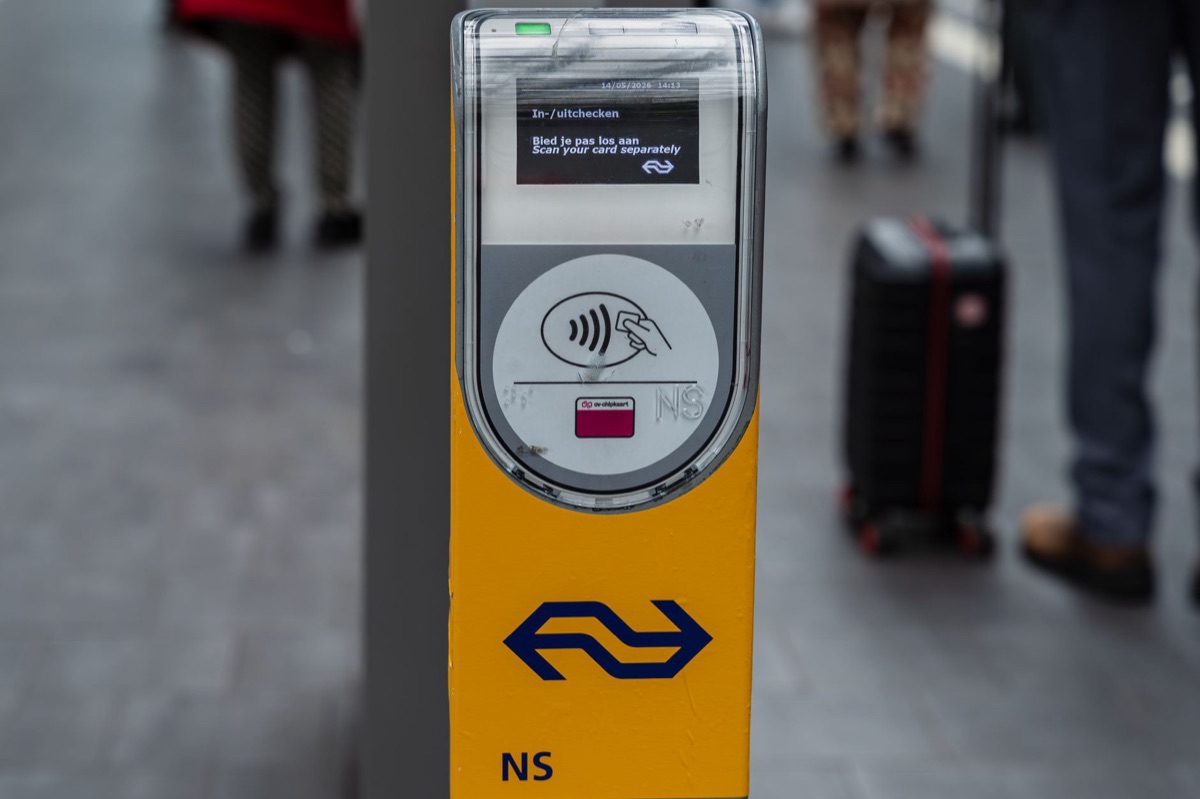
How much can you actually save? A breakdown of rail discounts
The biggest question for any traveler is: "How do I get the best deal?" While the interface might change, core savings opportunities remain significant.
According to the National Transit Bureau's 2026 Travel Trends Analysis, travelers using integrated discount filters saw a 22% average reduction in total trip costs compared to those booking via legacy individual apps.
| Discount Category | Eligibility/Conditions | Typical Savings/Benefit |
|---|---|---|
| Early Bird | Booking at least 30 days in advance | 10% to 30% off base fare |
| Family/Multi-Child | Households with 2+ minor children | Approximately 30% discount |
| Senior/Accessible | Seniors (65+) and passengers with disabilities | 30% to 50% off during off-peak |
| Commuter Pass | Frequent travelers on specific routes | Significant monthly bulk savings |
| Group Booking | Groups of 10 or more passengers | ~10% discount depending on size |
I remember booking a last-minute trip to Chicago last winter; because I missed the early-bird window, I ended up paying $45 more than if I had planned ahead. With the new integrated app, the system is expected to suggest these "best value" windows automatically.
A step-by-step guide to booking in under 5 minutes
When the unified app rolls out, don't let the new interface intimidate you. The workflow is designed to be lightning-fast. Here is the standard process you can expect:
- Search & Route Selection: Enter your departure city, destination, date, and number of passengers. Ensure the "Show All Providers" toggle is on to see every available option in one list.
- Visual Seat Selection: Use the interactive map to select seats based on preference—like being near a power outlet or choosing an aisle seat for easy access.
- Apply Discounts & Pay: Select your specific discount tier (e.g., Senior or Family) for each passenger. Use saved payment methods like Apple Pay or Google Pay to breeze through checkout.
- Manage Your Ticket: Once confirmed, your digital ticket is instantly available. If your plans change, you can handle refunds or rescheduling directly in the app.
What are the potential risks of this massive tech shift?
No major system overhaul comes without growing pains. The primary concern among transit experts is "traffic spikes."
During peak holiday seasons—like Thanksgiving or summer vacation windows—high user volume hitting a single unified server could lead to significant lag or even crashes. We have seen similar issues in the past during large-scale software updates where payment gateways would time out.
However, these risks are debated among engineers. Some argue that centralization creates a "single point of failure." Others believe that modern cloud scaling makes these outages nearly impossible compared to legacy systems.
There is also the "digital divide" to consider; as systems become more app-centric, elderly passengers who prefer traditional methods might find themselves overwhelmed by the shift toward mobile-only interfaces.
Learning from global leaders: The "Shinkansen" Model
To understand where we are headed, we can look at successful international models like Japan's Shinkansen Express (EX) system. In Japan, multiple operators work under a unified digital umbrella, allowing for a seamless experience.
According to the International Transport Forum's 2025 Connectivity Study, unified digital ecosystems in major Asian rail networks increased passenger satisfaction scores by 35% over three years. For our rail system to succeed, it needs two key features:
* Total Data Interoperability: Membership points and loyalty rewards from different carriers should merge into a single "Rail Rewards" balance. * Global-Ready Payments: The system must allow travelers to use foreign credit cards and undergo identity verification without friction.








Comments 0