Consumer Vouchers: 4 Steps to Boost Your Local Economy
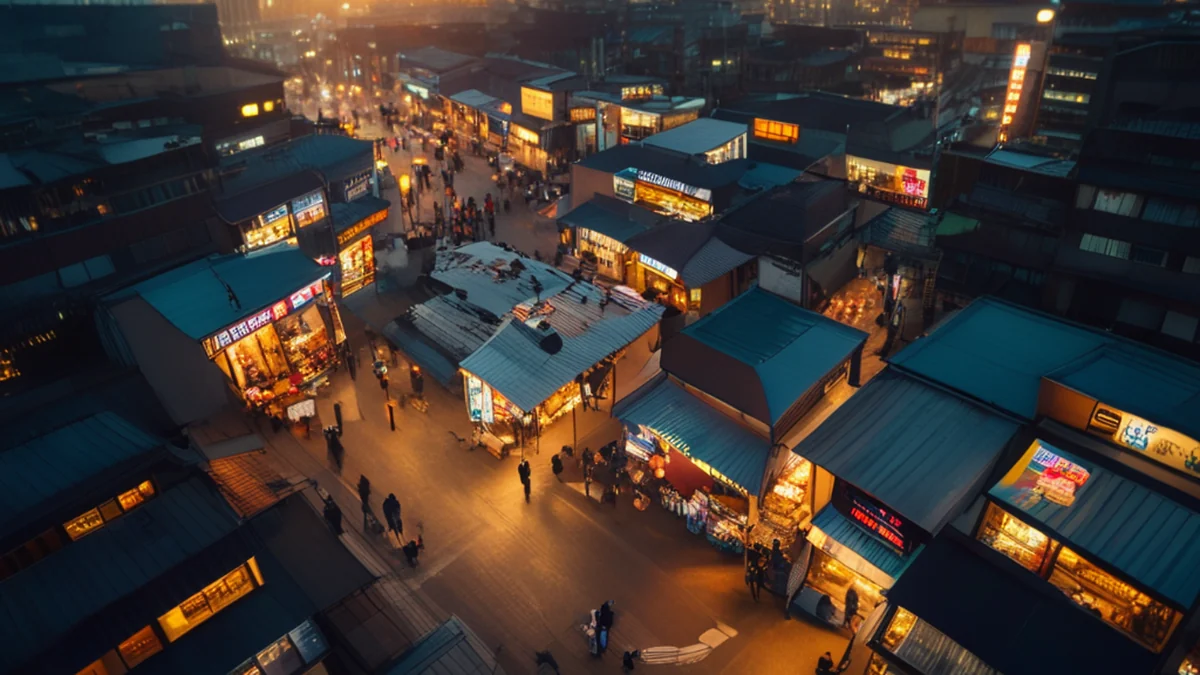
Stimulating local economies through targeted consumer vouchers is more than just a handout; it's a strategic move to jumpstart the heartbeat of Main Street.
The federal government is rolling out "Economic Recovery Consumer Vouchers" to combat shrinking household spending and provide direct relief to small business owners. These vouchers are designed to circulate money specifically within local neighborhoods, creating a virtuous cycle of growth.
* Boosting Consumption: Acts as a catalyst to restore consumer confidence by supplementing disposable income. * Supporting Small Businesses: Directs funds away from big-box retailers toward local shops and farmers' markets. * Driving Economic Circulation: Links increased spending to higher revenue, which in turn supports local employment.
Why are these vouchers being introduced now?
Despite strong performance in the export sector, the domestic economy is currently facing a massive divide. While corporate earnings look great on paper, small-to-medium enterprises (SMEs) are struggling under high interest rates and persistent inflation.
According to the Bureau of Economic Analysis's 2025 report, the domestic service sector has not felt the warmth of the export boom, leaving local entrepreneurs in a precarious position. As real purchasing power declines due to rising costs, a "domestic cliff" has begun to form.
The Department of Commerce's 2026 quarterly outlook further notes that consumer spending in non-essential categories dropped by 4.2% in early 2026. This data suggests that without intervention, local commerce could face a severe contraction.
These vouchers serve as an emergency prescription. By restricting where funds can be used, the policy ensures taxpayer dollars flow directly into the hands of your local baker, mechanic, or grocer rather than sitting in savings accounts.
How do you qualify and use the vouchers?
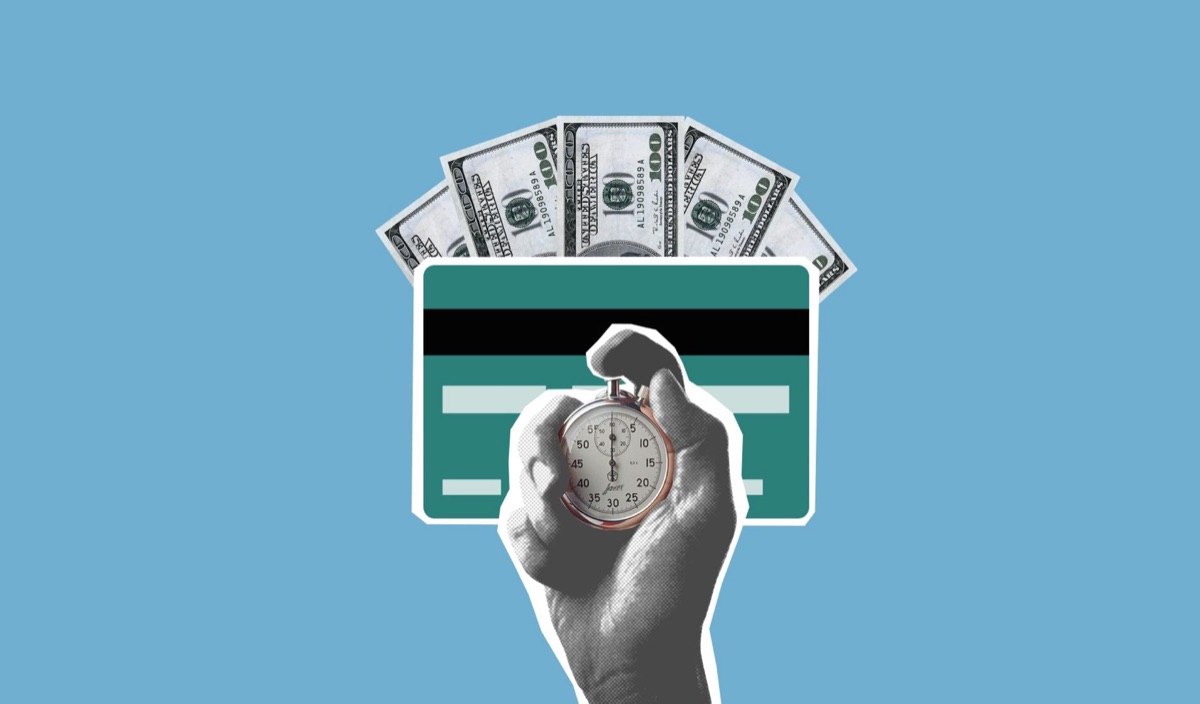
The government is focusing on "efficient allocation," debating whether to provide universal support or target specific low-income households. Current guidelines suggest a multi-tiered approach based on income levels and household size.
The process for using these vouchers has been streamlined into four simple steps:
- Eligibility Check: Verify your status via the official government portal or your state's local agency app.
- Issuance: Once approved, funds are instantly loaded onto a mobile digital voucher or a local debit card.
- Redemption: Pay at participating local merchants—like neighborhood cafes or hardware shops—and the balance is automatically deducted.
- Tracking: Use your smartphone app to monitor your remaining balance in real-time for planned spending.
I saw this firsthand last month while visiting a local farmers' market. I spoke with a vendor selling organic produce who mentioned that even the rumor of these vouchers would bring a surge of new faces.
He specifically noted that small, frequent transactions—like those for fresh bread or seasonal veggies—are where these vouchers will shine most. It was clear that even a $15 increase in daily sales per customer could change his monthly outlook.
What is the actual impact on the local economy?
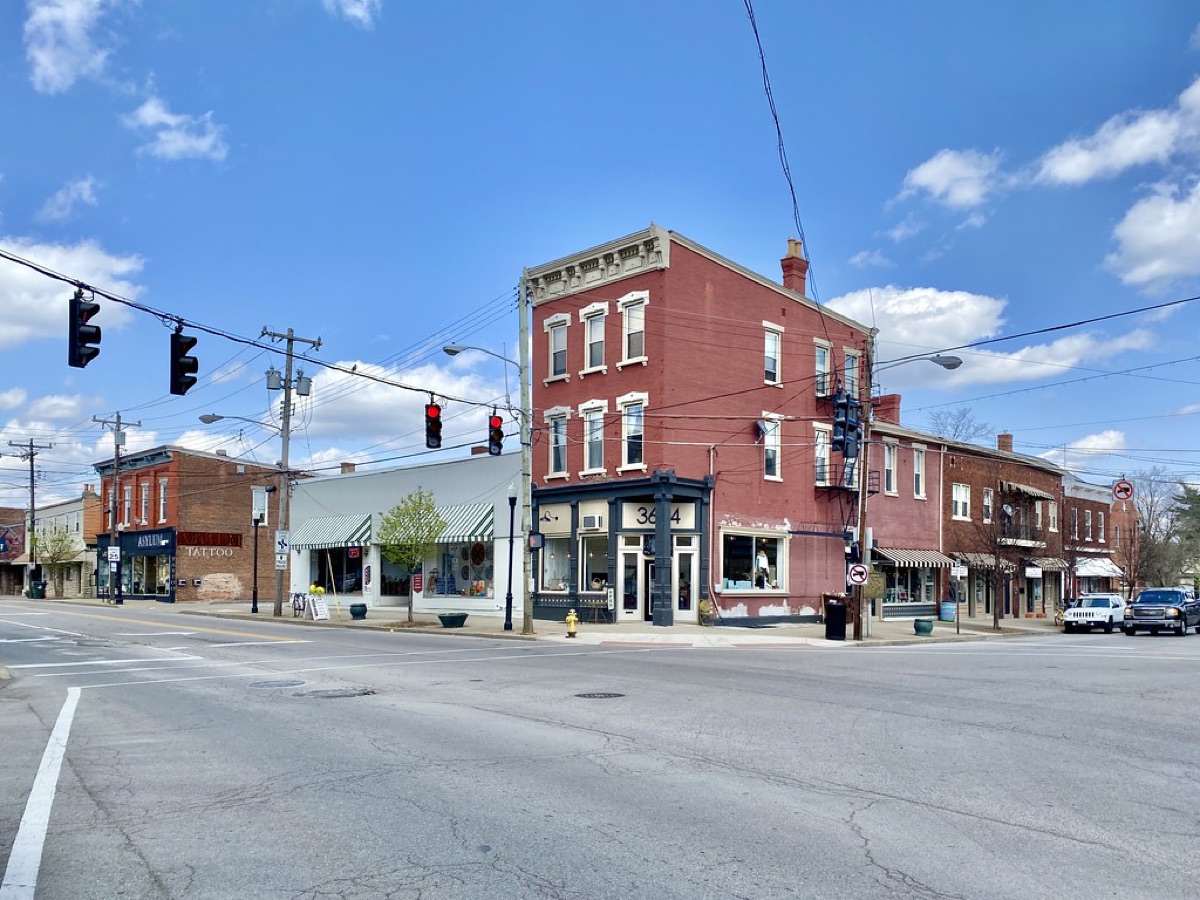
Economists suggest these vouchers act as a psychological "floor." People often stop spending because of uncertainty; providing a direct incentive can trigger immediate, necessary economic activity.
However, it isn't a perfect solution. There are valid debates regarding whether this could inadvertently fuel inflation by increasing the money supply.
| Feature | Direct Cash Assistance | Economic Recovery Vouchers |
|---|---|---|
| Primary Goal | Household income support/relief | Stimulating local business activity |
| Spending Pattern | High chance of saving or big-box use | Directed toward small, local vendors |
| Economic Multiplier | Relatively lower velocity of money | Faster circulation within the community |
| Policy Control | Easy to manage but hard to target | Easier to ensure funds hit intended targets |
While the benefits are clear, some critics argue that we might see a "consumption cliff" once the voucher period ends. To mitigate this, the timing and scale of the rollout must be precisely calibrated by policymakers.

What are local business owners and consumers saying?
The sentiment on the ground is a mix of hope and cautious optimism. Small business owners are eager for the revenue boost but some have expressed concerns about the administrative side.
Specifically, they worry about ensuring their point-of-sale (POS) systems can handle the new digital voucher format without glitches. According to the National Retail Federation's 2026 merchant survey, 15% of small retailers expressed concern over technical integration.
On the consumer side, the reaction has been positive regarding cost-of-living relief. With prices hitting record highs in late 2025 and early 2026, a little extra breathing room goes a long way for the average family budget.
The government's current strategy involves automating the settlement process to reduce the burden on merchants. They are leveraging modern fintech infrastructure to make the transition as seamless as possible.







Comments 0