Korea-Mongolia Alliance: 5 Steps to Resource Security
As global supply chains shift, the strategic alliance between technological leaders and resource-rich nations is becoming the new blueprint for economic survival.
The economic partnership between South Korea and Mongolia is evolving from simple trade into a high-stakes strategic alliance centered on resource security and technological integration.
By combining Mongolia's vast mineral wealth with South Korea's advanced manufacturing capabilities, both nations are creating a powerful synergy that stabilizes critical supply chains.
* Resource Security: Securing essential minerals like copper and rare earth elements to fuel high-tech industries. * Technological Transfer: Upgrading Mongolia's industrial structure through South Korean manufacturing expertise. * Logistics Innovation: Building multi-modal transport hubs to bridge the 3,300 km gap via air and rail. * Human Capital: Leveraging Mongolia's young, working-age demographic for long-term industrial growth.

Why is this partnership a major focus in 2026?
In 2026, the concept of "resource sovereignty" has moved from a theoretical discussion to a national security priority. With global supply chains facing constant volatility, having a direct line to essential raw materials is no longer just about profit—it's about survival.
According to the Korea International Trade Association's 2025 annual report, bilateral trade between South Korea and Mongolia has fluctuated dynamically, typically ranging between $400 million and $600 million annually depending on commodity demand.
This steady flow highlights a deep-seated interdependence that is only expected to grow.
While South Korea leads the world in semiconductors and EV batteries, these industries are hungry for the very materials Mongolia sits on, specifically copper and coal.
By investing in Mongolia's upstream mining sectors, South Korean firms aren't just buying products; they are securing the foundation of their own technological future.
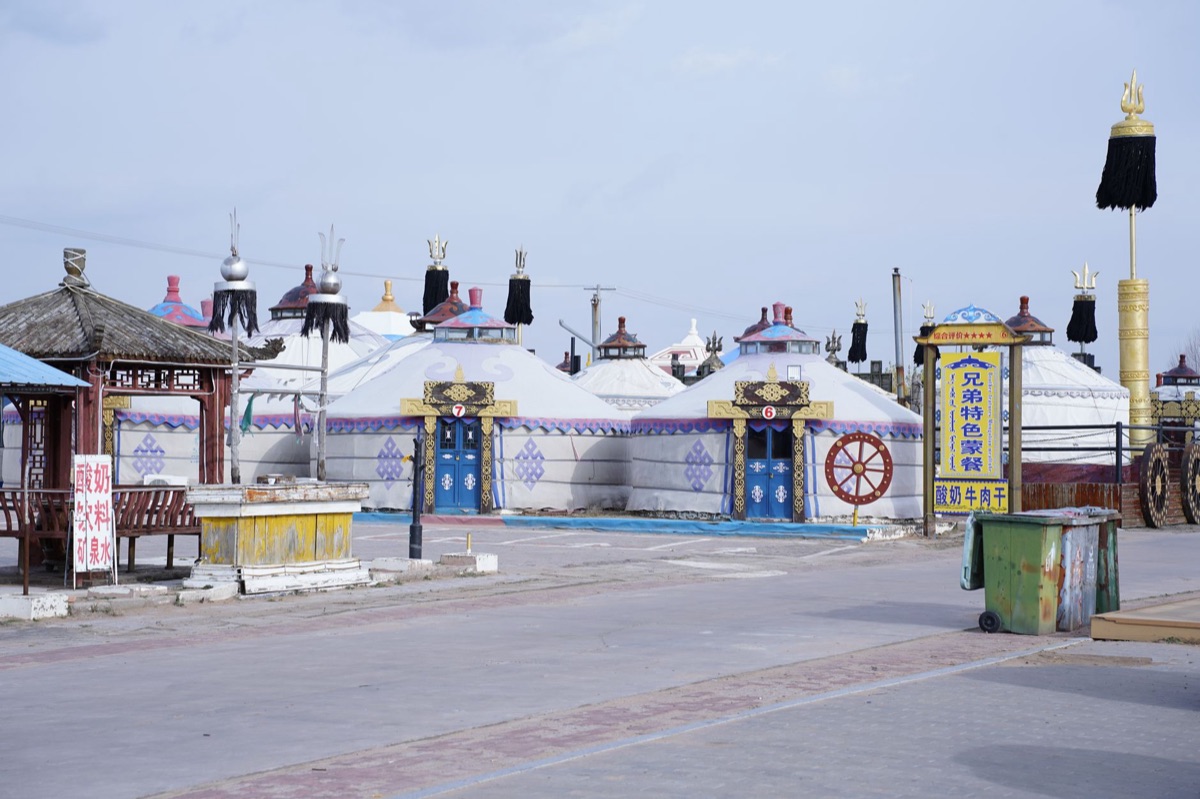
What does the synergy between resources and technology look like?
The core of this relationship is a "perfect match" between what one nation has in abundance and what the other excels at producing. Mongolia possesses massive mineral deposits but lacks the high-end processing infrastructure to turn those rocks into high-value components.
South Korea, conversely, has the "brainpower" and the "machinery" but lacks the raw "muscle" of natural resources.
This creates a symbiotic loop where South Korean capital and technology flow into Mongolia to build refineries and smart factories, which in turn provides a stable, high-quality supply of materials back to South Korea.
| Collaboration Sector | Mongolia's Contribution (Resources/Labor) | South Korea's Contribution (Tech/Capital) | Expected Economic Impact |
|---|---|---|---|
| Mining & Energy | Raw copper, coal, and rare earths | Extraction and refining technology | Stabilized supply chains |
| Manufacturing | Young, energetic workforce | Smart factory and process automation | Diversified production bases |
| Logistics/Infra | Strategic Eurasian land bridge | Smart logistics and digital systems | Integrated continental networks |
I remember sitting in a crowded economic forum in Ulaanbaatar earlier this year in 2026.
The energy in the room was palpable; local entrepreneurs weren't just asking about imports, they were specifically pitching for South Korean partnerships in "smart manufacturing." It was clear that the goal has shifted from trading goods to co-creating entire industrial ecosystems.
A 5-Step Roadmap for Economic Integration
To turn this potential into a permanent economic engine, both nations are following a structured development path:
- Identify Strategic Synergies: Pinpoint specific industries where Mongolian raw materials meet South Korean high-tech processing needs. 2. Conduct Regulatory Due Diligence: Perform deep-dive market research into investment laws and legal frameworks to minimize cross-border risks. 3. Establish Multi-modal Logistics: Develop a mix of air freight and trans-continental rail solutions to overcome the challenges of being a landlocked nation. 4. Activate B2B Networks: Use trade missions and international economic forums to connect local Mongolian producers directly with global buyers. 5. Build Human Capital: Implement educational and cultural exchange programs to ensure a steady flow of skilled talent and mutual business trust.
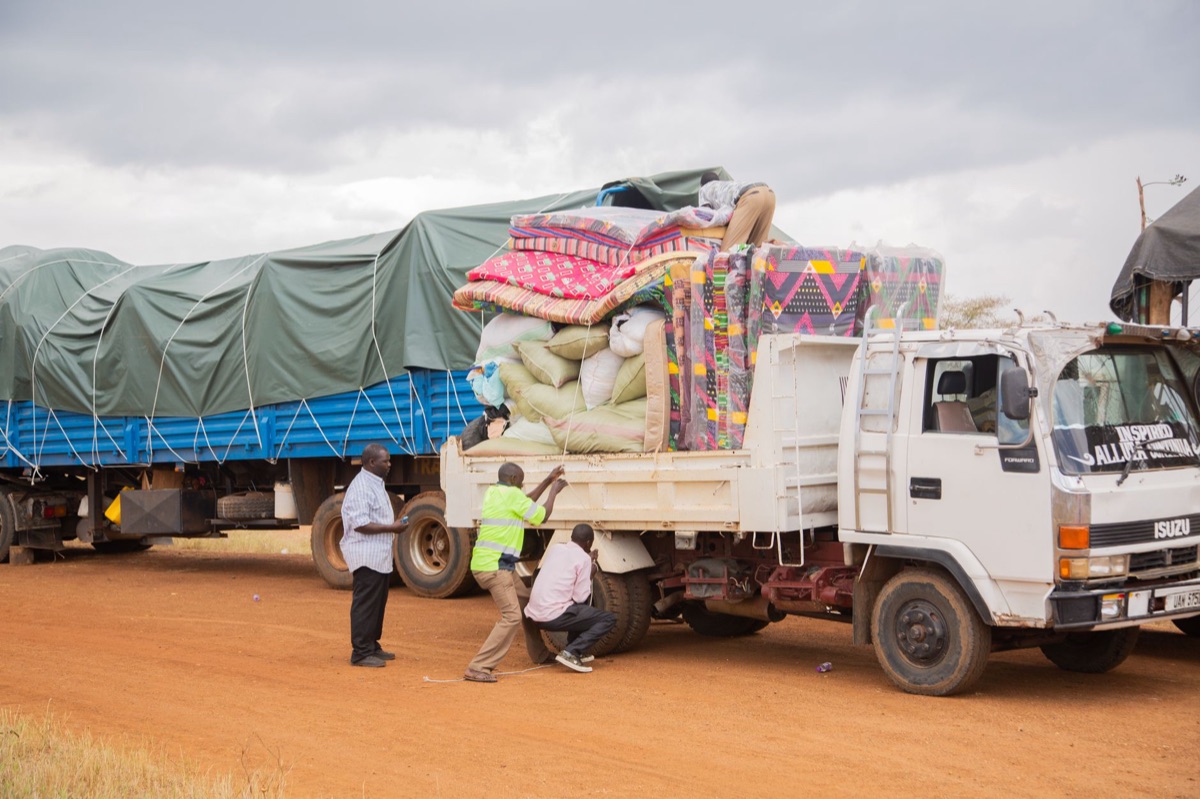
Can logistics overcome the geographical divide?
The 3,300 km distance between the two nations is a significant hurdle, but it's also a massive opportunity. Being landlocked often means higher costs, but the "New Silk Road" concept and modern logistics frameworks are turning this challenge into a gateway for Eurasian trade.
While air freight is essential for high-value, low-weight tech components, the future lies in optimizing trans-continental rail. This would allow for the bulk transport of heavy minerals at a scale that air travel simply cannot match.
Furthermore, Mongolia's demographic profile is a secret weapon. With a high percentage of young, working-age citizens, the nation is primed for labor-intensive industries and a rapid digital transformation, providing a robust talent pool for South Korean tech firms to tap into.
What are the limitations and risks?
It would be unrealistic to suggest this path is without friction. Political shifts in the region and the extreme volatility of global commodity prices remain constant variables that can disrupt long-term planning.
Additionally, the current lack of heavy infrastructure in Mongolia means that initial investment costs will be high.
However, these risks are precisely why South Korean involvement is so critical. By treating infrastructure development as a business model itself, South Korean firms can turn "risk" into "revenue," building the very roads and rails that will facilitate their own resource security.







Comments 0