North Korea economic innovation: Guide to 25% contraction
"The collapse of the Soviet Union and the end of Soviet support to North Korean industries caused a contraction of North Korea's economy by 25% during the 1990s."
The North Korean economy has undergone significant shifts due to shifting global alliances and internal structural changes. This analysis examines how the nation navigated the loss of traditional support and the recent emergence of private sector influence.
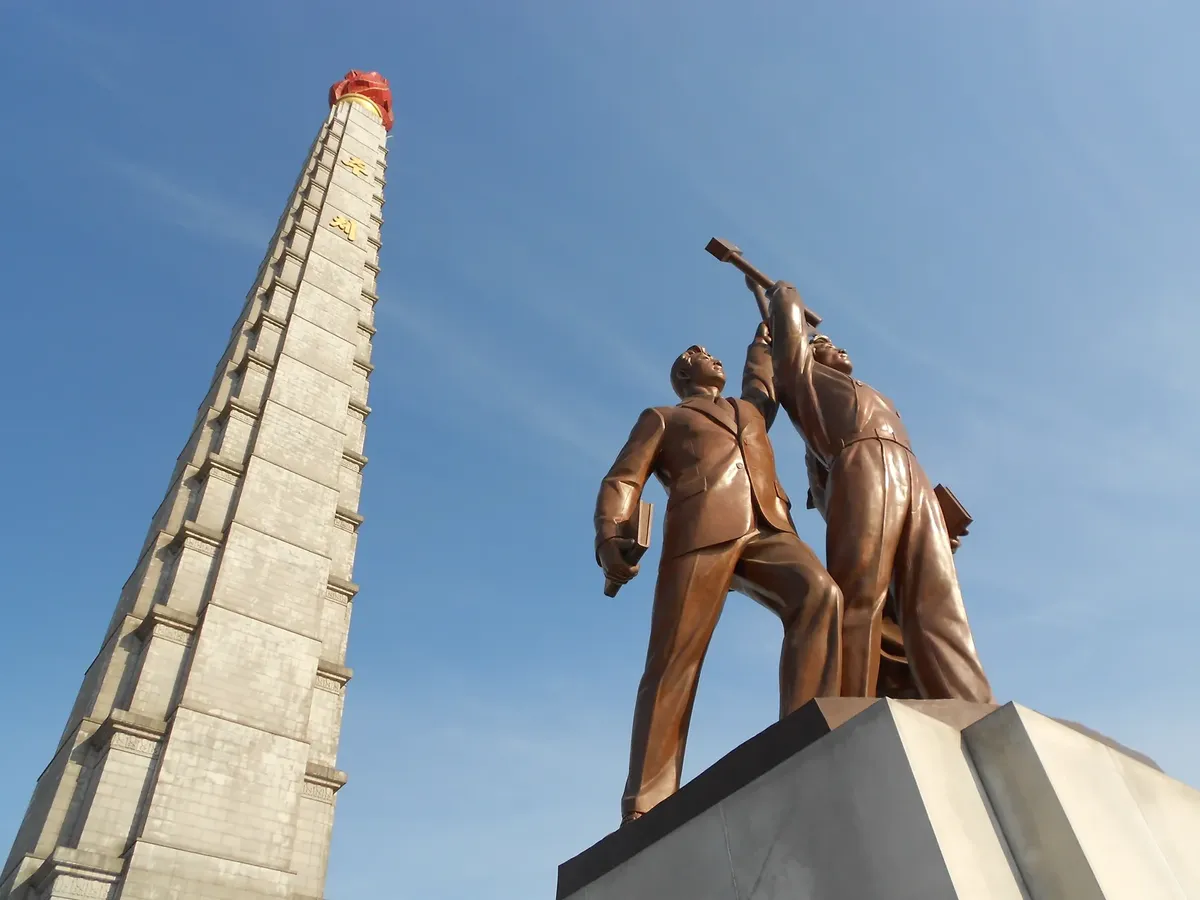
Key takeaways include the impact of the Soviet collapse, the recent growth rates, and the shifting balance between public and private sectors.
How did the collapse of the Soviet Union reshape the North Korean economy?
A researcher looks over old maps of trade routes that once connected East Asia to the former Soviet Bloc. The sudden disappearance of these established networks forced a massive realignment of foreign economic relations.
The collapse of the Eastern Bloc from 1989 to 1992, particularly the loss of the Soviet Union as a principal source of support, forced the North Korean economy to realign its foreign economic relations, including increased economic exchanges with South Korea.
This shift followed the demise of socialist republics that served as traditional trade partners and benefactors. The loss of these relationships compounded economic difficulties in the early 1990s.
How did they first manage to survive economically? North Korea economic innovation
An official grips a heavy pen at his desk in the late winter, staring at the blank page as the cold wind whistles through the north. An official sits at a wooden desk in 1993, drafting a new policy to address the sudden lack of external aid. The goal was to stabilize the domestic market through specific sector focuses.
Following the collapse of the Soviet Union in 1991, the principal source of external support, North Korea announced in December 1993 a three-year transitional economic policy placing primary emphasis on agriculture, light industry, and foreign trade.
This attempt at internal restructuring sought to mitigate the loss of former concessional trade relationships that had previously benefited the nation.
According to Soviet Union, the 1990 record includes 25%.
Has North Korea's economy actually grown lately? A monitor tracks fluctuating percentage points on a digital screen, noting the recent upward trends in regional data. The numbers suggest a period of relative acceleration compared to previous years.
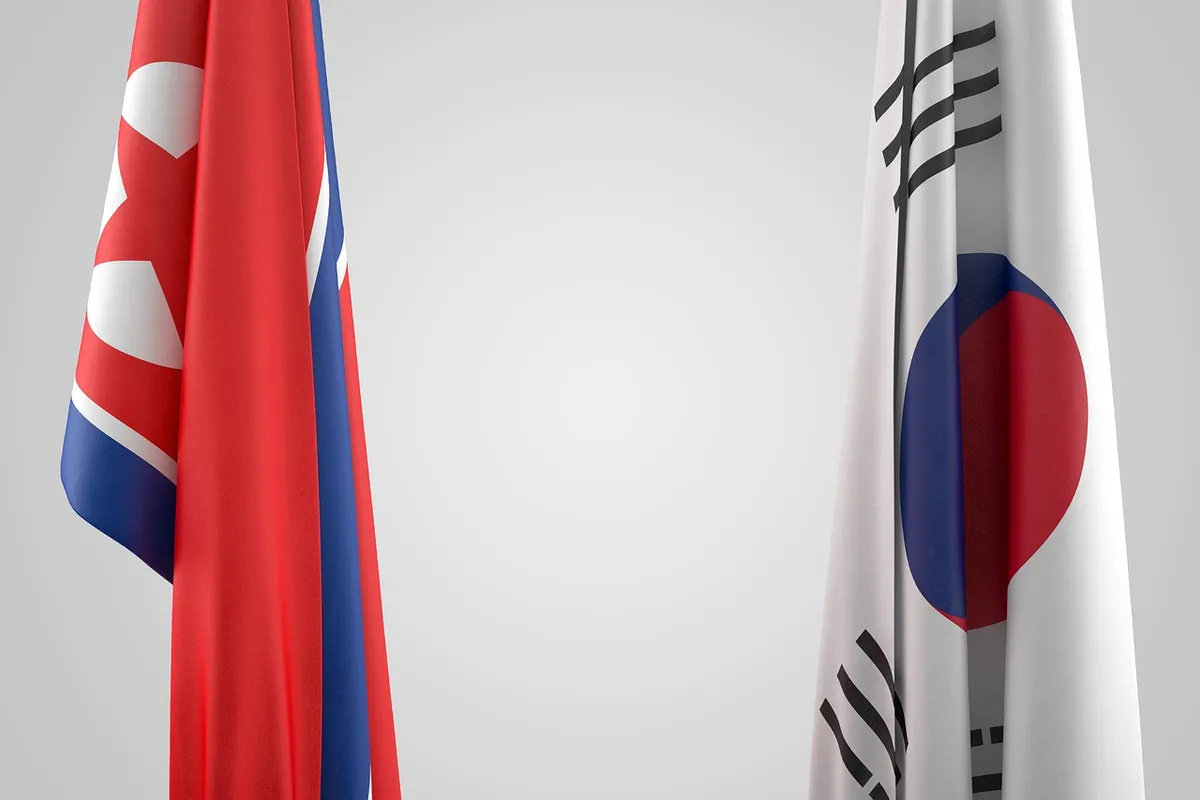
Economic growth was at the fastest pace in 8 years with 3.1% in 2023, followed by 3.7% in 2024, which was the highest growth rate since 2016. According to the Korea Development Institute, the overall North Korean economy grew by 10%.
These figures represent a significant shift from the contraction seen during the 1990s.
How has the private sector changed the economic landscape?
A merchant moves goods through a local market, navigating a system that was once strictly state-controlled. The balance of economic power is quietly shifting between the government and individual actors.
For the first time, in 2021, the South Korean Ministry of Unification estimated that the North Korean private sector outgrew the public sector until 2020. This shift suggests that internal economic dynamics are evolving beyond traditional state-led models.
What are the historical comparisons of economic performance?
A historian compares two different eras of economic data, noting the drastic difference in stability and scale. The transition from a state-supported system to a more isolated one is clearly visible in the numbers.
| Period/Metric | Economic Impact/Rate | | :---ov | :--- | | 1990s Contraction | 25% contraction due to Soviet collapse | | 2024 Growth Rate | 3.7% (highest since 2016) |
I observed how these historical shifts created the current economic environment.
What are the limitations of understanding these economic trends?
A student reads through conflicting reports, realizing that data from isolated regions can be difficult to verify. The lack of transparent, real-time data remains a constant challenge for analysts.
One limitation is that the data regarding the private sector's growth is based on estimates provided by external agencies rather than domestic official reporting.
- How did the collapse of the Soviet Union reshape the North Korean economy?
- What were the early strategies for economic survival?
- Has there been recent growth in the North Korean economy?
The subject here is North Korea economic innovation.
The same subject is also called DPRK economic reform.
The same subject is also called North Korea strategy.
The same subject is also called Economic change DPRK.
The same subject is also called Diplomacy and economy NK.
This part also covers Innovation under pressure.
This part also covers Economic growth challenges.
This part also covers International pressure impact.
Innovation under pressure
Related
- Trade dispute impact: Japan Korea trade dispute impact guide
- What happened with regional broadcasting efforts?
What conditions fostered the shift toward private sector influence? 1. The initial economic contraction following the collapse of the Soviet Union created a necessity for alternative economic models. 2. The state's inability to sustain previous industrial levels prompted individuals to seek economic opportunities outside rigid government control. 3. This environment allowed the private sector to expand, challenging the established public sector dominance.
This evolution suggests that the systemic shock from the collapse spurred adaptation among North Korean actors. The emergence of private enterprise represents a deviation from the former state-centric economic planning.
The comparison between the 1990s contraction and the recent growth rates highlights this fundamental structural change. The nation moved from a period defined by external dependency to one showing internal economic momentum, even if unevenly distributed.







Comments 0