Foundry Technology Defines Korea AI global strength tips
"The foundation of modern artificial intelligence is built upon advanced hardware, and South Korea stands at the center of this physical infrastructure."
South Korea's AI-ready hardware dominance is driven by its massive share of the global memory semiconductor market and strategic legislative support.
This article examines the country's leadership in chip manufacturing, the shift in DRAM market leadership, and the legislative frameworks driving growth.

Key takeaways include the nation's critical role in memory production, the recent shift in market shares between major players, and the impact of the K-CHIPS Act.
How does South Korea maintain its Korea AI global strength?
A technician carefully places a silicon wafer into a high-precision cleaning machine, ensuring the base for next-generation AI chips is flawless. The country's ability to supply the hardware necessary for AI processing is rooted in its massive semiconductor footprint.
South Korea's influence stems from a dominant position in the memory sector, which serves as the backbone for AI computing. According to technical data, the country accounted for 60.5% of the global memory semiconductor market, with a DRAM market share of 70.5% and a NAND market share of 52.6%.
This concentration of production capacity ensures that the essential components for AI servers and edge devices are readily available from a single, reliable source.
The scale of this industry is reflected in export values. In 2022, semiconductors were South Korea's leading export, totaling $129 billion and making up nearly 19% of the nation's overall exports. This economic weight provides the capital necessary for continuous technological advancement.
What defines the Korean AI market edge in manufacturing?
A robotic arm moves with surgical precision to etch circuits onto a microscopic substrate, representing the pinnacle of foundry technology. The Korean AI market edge is increasingly defined by the ability to produce high-performance, specialized chips.
The nation's manufacturing prowess is evident in its foundry and advanced node capabilities. The country accounts for 17.3% of the global foundry market and produces about 37% of the world’s semiconductors smaller than 10 nanometers.
These smaller, more efficient chips are critical for the power-intensive requirements of modern AI models.
The rapid growth in production capacity demonstrates this edge. From February 2023 to February 2024, semiconductor production increased 65.3%, which was the largest increase since the end of 2009. This surge highlights the industry's capacity to scale alongside global demand.
According to World Bank, the 2025 record includes 1.0%.
How is the Global AI power Korea shifting between manufacturers?
An engineer examines a comparison chart on a tablet, noting the recent shifts in market leadership among top-tier chipmakers. The Global AI power Korea is currently witnessing a significant realignment in the DRAM market.
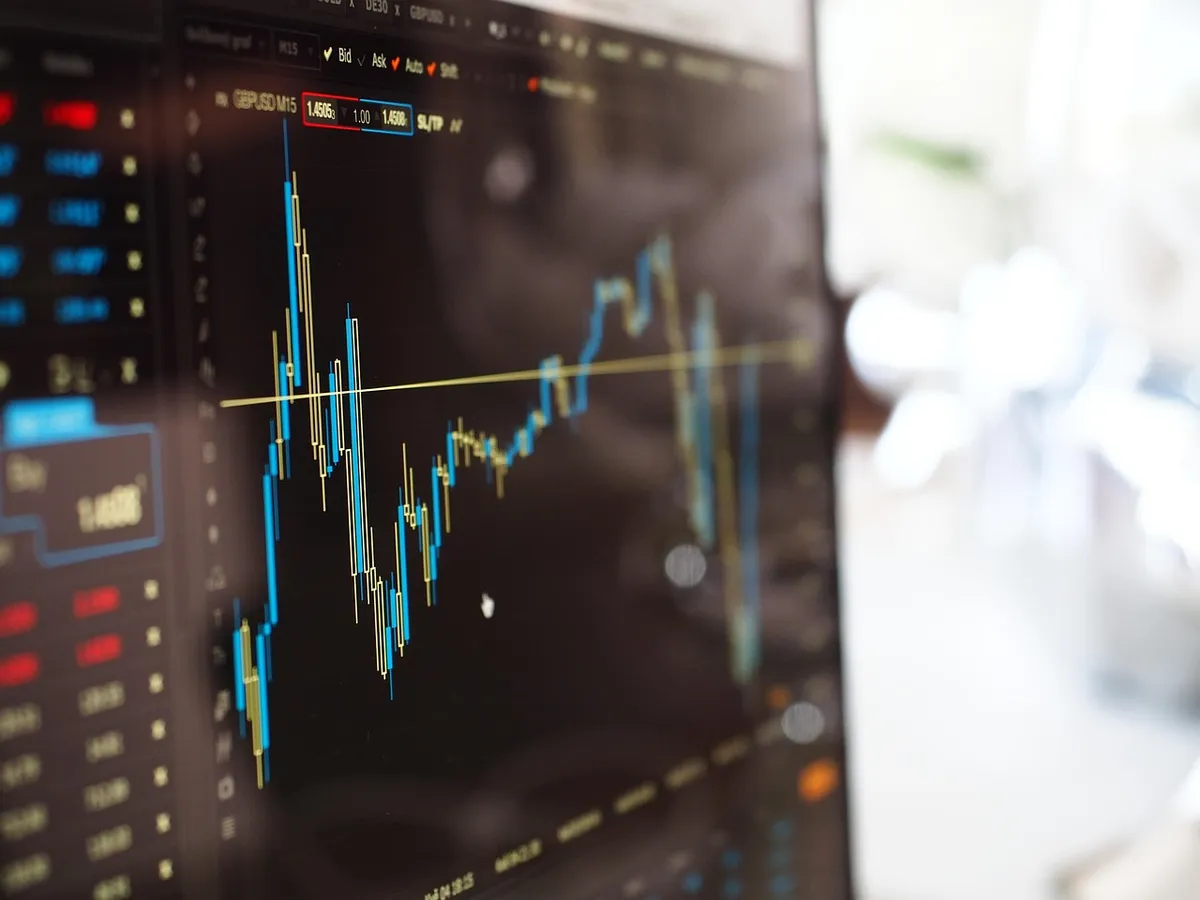
The competitive landscape changed noticeably in recent quarters. As of Q1 2025, SK Hynix led the global DRAM market with a 36% share, surpassing Samsung's 34% for the first time.
This shift indicates a pivot toward specialized products like high-bandwidth memory (HBM) that are essential for AI applications.
The results of this specialization were clear in recent financial reports. SK Hynix reported a 158% increase in operating profit in the first quarter of 2025, driven by strong sales of high-bandwidth memory (HBM) chips.
This illustrates how market leadership is being redefined by AI-specific technology.
| Market Segment | South Korea Share |
|---|---|
| Global Memory Semiconductor | 60.5% |
| Global Foundry | 17.3% |
I observed how these shifts in market share directly influence the strategic direction of every major domestic semiconductor firm.
How does the South Korea tech export strategy involve policy?
A lawmaker signs a legislative document that will allocate significant funding to research laboratories and fabrication plants. The South Korea tech export strategy is reinforced by domestic policies designed to sustain long-term competitiveness.
The K-CHIPS Act, passed in March 2023, serves as a primary driver for industrial stability. This act provides tax credits of up to 25% for facility investments and up to 50% for research and development.
These incentives are designed to keep the manufacturing base at the cutting edge of global technology.
Beyond immediate tax relief, the policy aims for long-term autonomy. South Korea aims to increase the self-sufficiency ratio of essential materials, parts, and equipment for chip production to 50% by 2030.
This strategic goal aims to protect the export-heavy industry from global supply chain volatility.
What are the future of Korean AI industry trends regarding supply chains?
An assembly line worker monitors a series of sensors that track the flow of raw materials into the production facility. Understanding the future of Korean AI industry trends requires looking at the balance between growth and market fluctuations.
While the industry has seen massive growth, it remains subject to global economic cycles. In 2023, South Korea held approximately 13% of the global semiconductor market, reflecting a gradual decline from previous years.
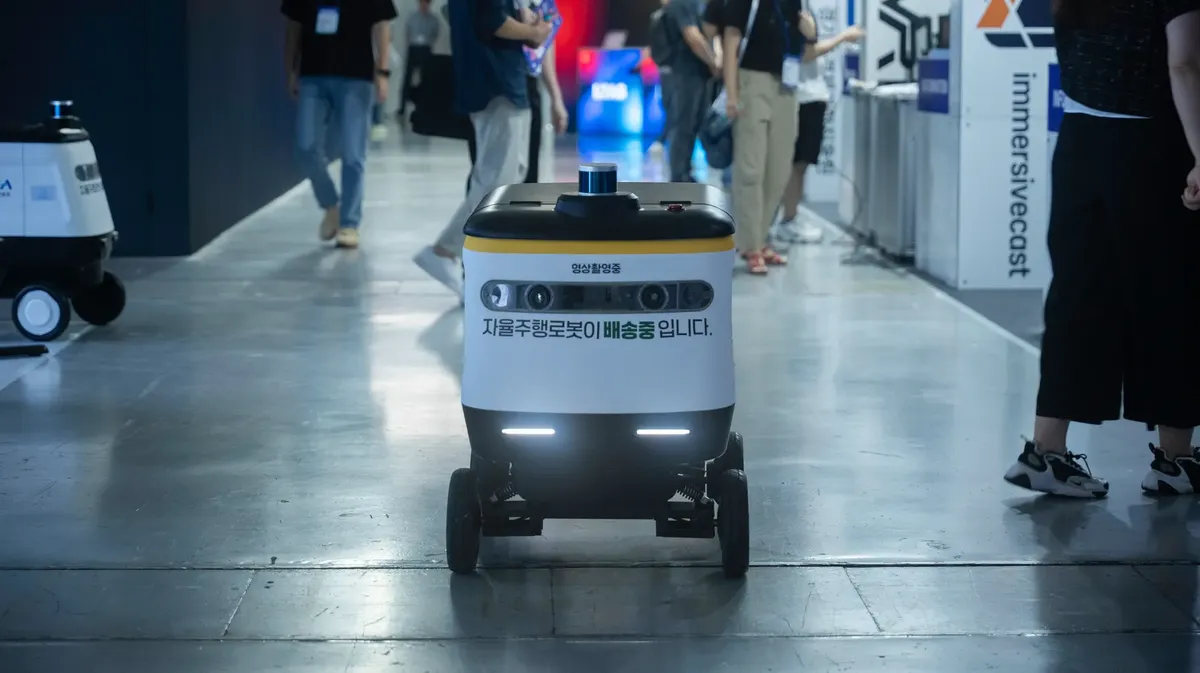
This volatility highlights the need for constant innovation to maintain a high-tech lead.
The industry is also focused on securing the entire production lifecycle. To maintain its position, the nation must balance its massive output with the stability of its supply chain.
World Bank Based on the retained excerpt mentioning World Bank: According to World Bank data, South Korea recorded GDP growth of 1.0% in 2025.
- How does South Korea maintain its Korea AI global strength?
- What defines the Korean AI market edge in manufacturing?
- How is the Global AI power Korea shifting between manufacturers?
The subject here is Korea AI global strength.
The same subject is also called AI competitiveness Korea.
This part also covers Global AI adoption Korea.
Related





Comments 0