Korea carbon neutral tech challenges: Why monitor gas levels
"The path to a carbon-neutral future requires a fundamental shift in how we manage energy and monitor atmospheric changes."
To reach long-term climate goals, South Korea must navigate the technical challenges of expanding renewable energy and managing greenhouse gas emissions. This analysis explores the current energy landscape, the necessity of atmospheric monitoring, and the structural hurdles in the transition.
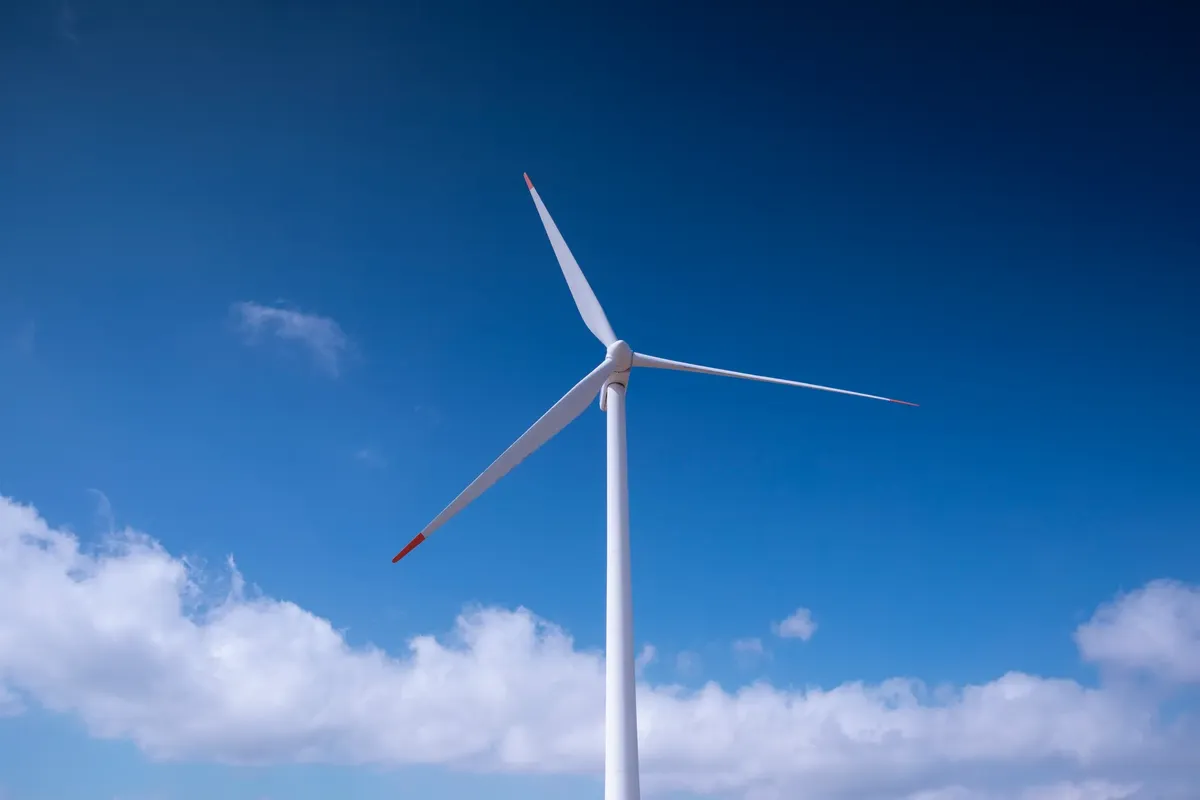
Key takeaways include the low current share of renewables, the importance of long-term gas monitoring, and the technical scale of decarbonization.
How is renewable energy actually doing in Korea? A technician adjusts a solar panel in a sun-drenched field, looking toward the horizon. The current energy transition in Korea is characterized by a relatively low baseline of renewable sources in the national energy mix.
According to World Bank data, South Korea recorded a renewable energy share of final consumption of 3.6% in 2021. This figure represents the starting point for any long-term green energy innovation in Korea.
While the percentage is low, it establishes the scale of growth required to meet future targets.
The existing energy infrastructure must be gradually reshaped to accommodate these new sources. This process involves upgrading grids and developing storage solutions to manage variable supply.
The nation is currently expanding its solar and wind capacity to diversify its energy mix.
How is greenhouse gas monitoring conducted? Korea carbon neutral tech challenges
A scientist pulls a cold metal canister from a coastal station in korea during the quiet dawn.
A scientist in a white lab coat carefully collects air samples near a coastal station. Understanding the atmospheric impact of industrial activity is vital for managing the low carbon policy challenges facing the nation.
Since 1999, the Korea Global Atmosphere Watch Center located at Anmyeon-do has been monitoring major greenhouse gasses (GHG) such as carbon dioxide (CO2), methane (CH4), nitrous oxide (N2O), and chlorofluorocarbons (CFC-11 and CFC-12).
This long-term data collection is essential for tracking the effectiveness of mitigation efforts.
Regular monitoring allows researchers to see how specific emissions contribute to the changing atmosphere. These insights guide the refinement of national climate strategies.
- Deploy sensor networks to collect atmospheric data.
- Process raw data through specialized software.
- Compare findings against established emission baselines.
According to World Bank, the 2021 record includes 3.6%.
What technical obstacles are blocking Korea's transition? An engineer examines a blueprint for a new wind farm in a windy coastal area. Achieving a successful energy transition in Korea requires overcoming significant technical and geographical barriers.

The primary challenge lies in integrating intermittent renewable sources into a grid designed for stable, centralized power. This requires advanced energy storage solutions to balance supply and demand.
Furthermore, energy efficiency technology needs must be met across all industrial sectors to reduce the total load.
Developing these technologies is a matter of both domestic innovation and infrastructure overhaul. The scale of the task is reflected in the existing energy consumption patterns.
In this sequence, the second step is the most extensive.
What role does atmospheric data play in policy?
A researcher looks at a digital screen displaying fluctuating gas concentration levels. The data gathered from specialized centers provides the foundation for all decarbonization roadmap hurdles.
Monitoring specific gases like methane and nitrous oxide helps in identifying the sources of emissions. This precision is necessary to target sectors that contribute most to the greenhouse effect. Without accurate data, setting realistic reduction targets would be impossible.
The long-term continuity of monitoring, such as the work done in Anmyeon-do, ensures that trends are not missed. This historical context is vital for long-term planning.
Atmospheric data provides the necessary evidence to refine environmental regulations.
How can the nation manage energy efficiency?
A factory worker adjusts the settings on a high-tech control panel. Improving the efficiency of existing systems is a critical component of the broader energy strategy.
| Metric | Value |
|---|---|
| Renewable energy share (2021) | 3.6% |
The low renewable share in 2021 highlights the massive gap between current usage and a fully decarbonized grid. Addressing this gap requires a multi-pronged approach involving both new generation and efficiency.
I noticed during my review of the energy data that the 3.6% figure serves as a baseline for all future growth. This comparison shows how much work remains in the energy sector.
Implementing smart grid technologies helps optimize electricity distribution.
What are the limitations of current energy strategies?
A technician stands in a quiet, empty power plant, contemplating the future. A limitation in the current energy landscape is the existing reliance on traditional power sources which makes rapid shifts difficult.
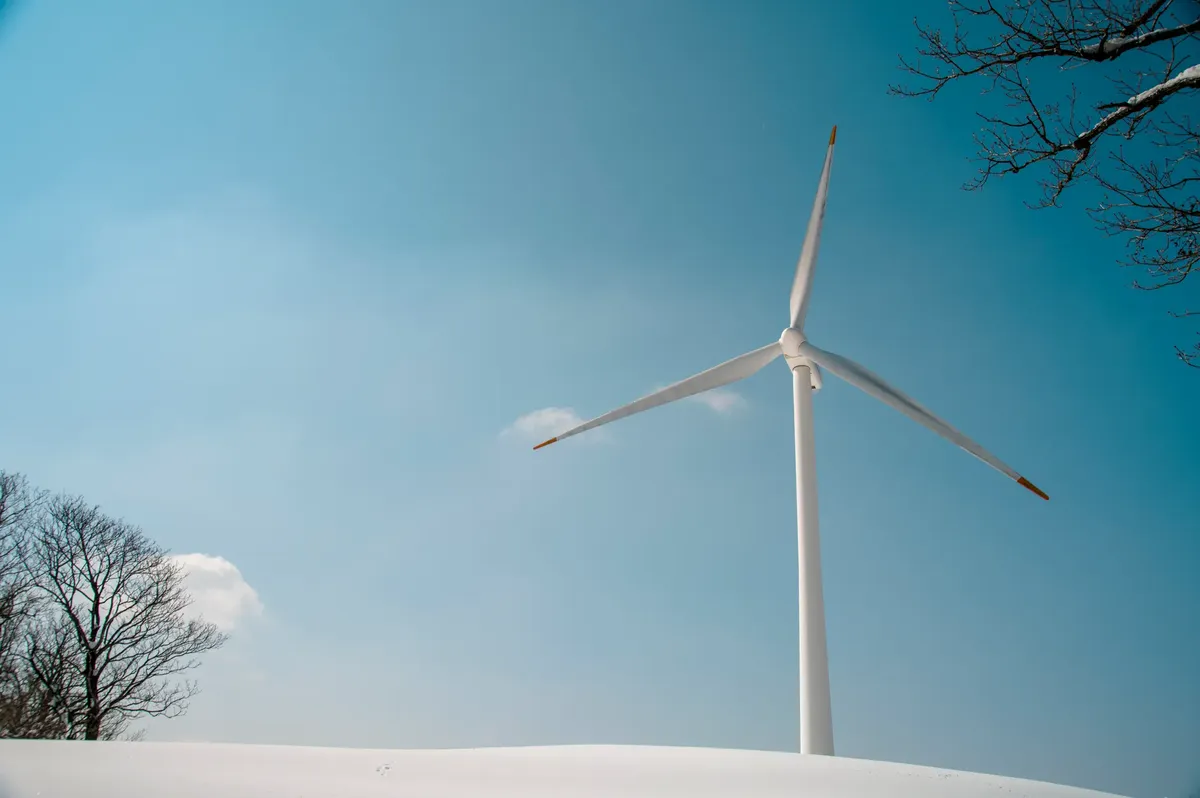
The low renewable energy share in 2021, as reported by the World Bank, indicates that the infrastructure is still heavily weighted toward non-renewable sources. This existing condition means that any transition must be managed carefully to maintain grid stability.
Current strategies often face challenges regarding grid stability and intermittent supply.
The subject here is Korea carbon neutral tech challenges.
The same subject is also called Energy transition Korea 2050.
The same subject is also called Green energy innovation Korea.
The same subject is also called Renewable energy adoption Korea.
Advanced energy storage solutions
Related
- Temperature Rising: Korea extreme summer adaptation guide
- AI news reliability issues: Why completeness varies 68%
How does the path to carbon neutrality require technological adaptation? 1. The fundamental shift in energy management necessitates integrating variable renewable sources. 2. Developing advanced energy storage solutions addresses the intermittency of these sources. 3. Overhauling the existing infrastructure supports the incorporation of new energy types. This adaptation is crucial for realizing the carbon neutral path envisioned for the nation.
What conditions affect the success of green energy innovation Korea? The success of green energy innovation Korea depends on overcoming geographical barriers. The low current share of renewables presents a significant hurdle for the transition. Maintaining grid stability while integrating diverse power inputs remains a core condition. The scale of decarbonization requires both domestic technological advancement and systemic overhaul.
The path to carbon neutrality demands that monitoring efforts remain continuous. This long-term data collection provides the necessary evidence to refine environmental regulations and guide policy. Careful management of greenhouse gas emissions is central to this effort.




Comments 0