Korean food modern design: Tips for global recognition
"Cultural heritage is not a static relic of the past, but a living tradition that adapts to the tastes of a changing world."
The transition of traditional food into a modern design framework involves balancing historical authenticity with contemporary presentation to capture global interest.
This process focuses on cultural preservation through visual and experiential innovation, ensuring that heritage remains relevant to new generations.
Key takeaways include understanding the importance of international recognition, adapting to changing dietary habits, and utilizing modern aesthetics to sustain traditional knowledge.
How can traditional food gain global recognition?
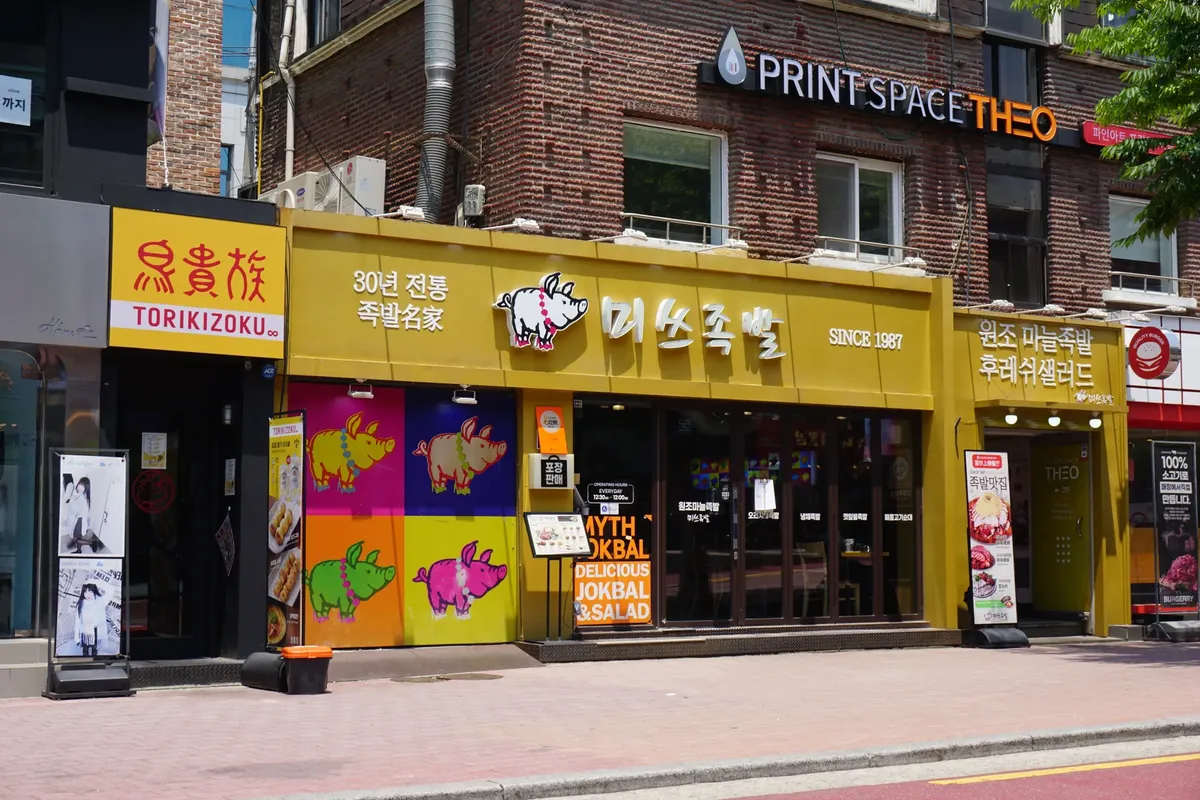
At sunset in the bustling city square, the chef lifts a silver spoon to taste the spicy aroma of the new korean fusion dish.
A chef carefully arranges a single piece of seasonal fish on a porcelain plate, ensuring the colors pop against the minimalist background. This deliberate attention to detail mirrors how traditional dietary cultures achieve international status through formal recognition.
According to Wikipedia, in 2013, Japanese cuisine was added to the UNESCO Intangible Heritage List. This designation highlights how culinary practices can be recognized as vital human heritage.
Such recognition provides a framework for protecting the identity of a cuisine while allowing it to be shared globally.
The process of gaining recognition often starts with institutional recommendations.
In February 2012, the Agency for Cultural Affairs recommended that 'Washoku (和食) : Traditional Dietary Cultures of the Japanese' be added to the UNESCO Representative List of the Intangible Cultural Heritage of Humanity. This step aims to validate the cultural importance of specific eating habits.
How do changing habits affect traditional food modern look? Korean food modern design
In the silent kitchen at dawn, she carefully plates a single portion of korean stew to match her minimalist lifestyle.
A family sits around a wooden table, where the centerpiece is no longer a large communal pot but individual, stylized servings. As lifestyles change, the visual language of food must shift to remain engaging to a modern audience.
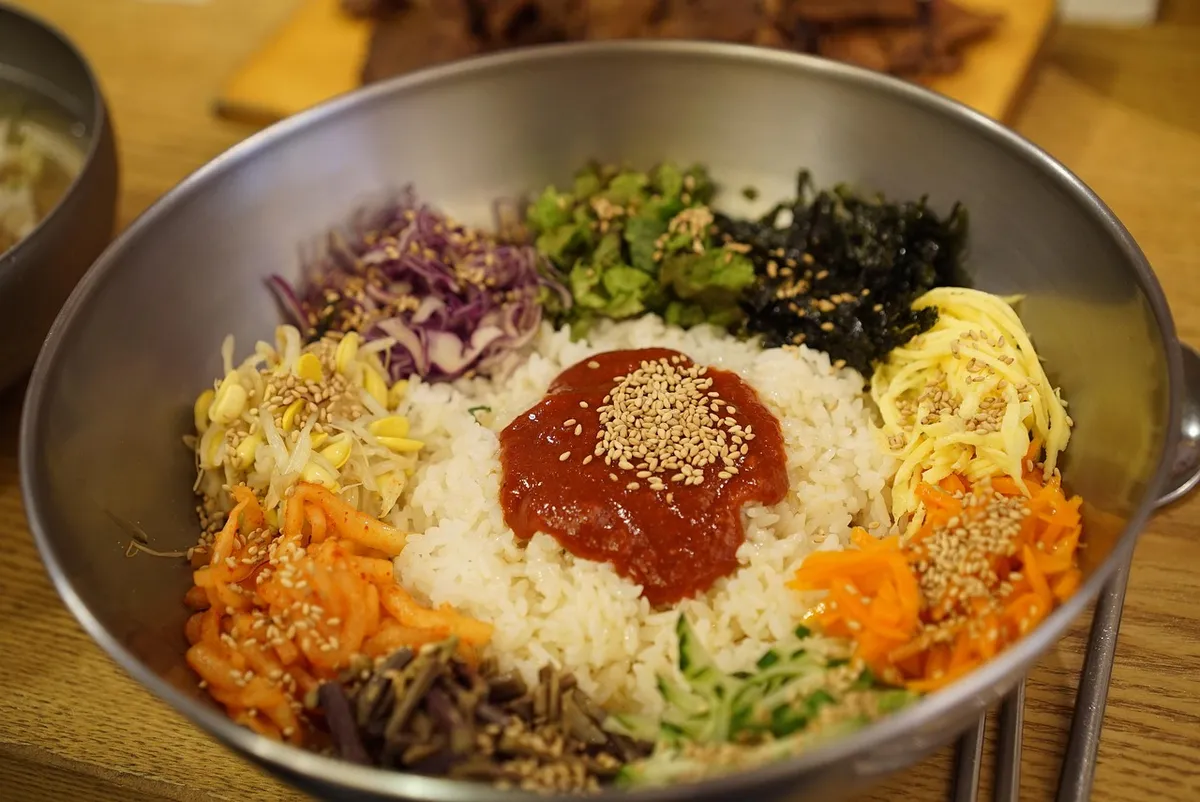
In many regions, the core ingredients of a tradition are shifting due to changing lifestyles. For instance, in most of Japan, rice used to be consumed for almost every meal, and although a 2007 survey showed that 70% of Japanese still eat it once or twice a day, its popularity is now declining.
This shift necessitates a new approach to how traditional ingredients are presented and marketed.
Developing a Han food global trend requires understanding these demographic shifts. When a staple ingredient loses its dominance, designers and chefs must find new ways to integrate it into modern dining. This might involve changing the portion size or the way the food is packaged for convenience.
How does design shape the shift in Korean cuisine? An artist selects a textured ceramic bowl, matching the earthy tones of a fermented sauce to create a cohesive visual experience. This intersection of art and appetite is central to modernizing a culinary identity.
The shift toward a more modern look involves more than just plating; it involves the entire sensory experience. By treating food as a form of artistic expression, practitioners can bridge the gap between ancient recipes and contemporary tastes.
This strategy helps in boosting food culture appeal across different borders.
One way to approach this is through the concept of traditional cultural expressions. The World Intellectual Property Organization uses this phrase to refer to any form of artistic and literary expression in which traditional culture and knowledge are embodied.
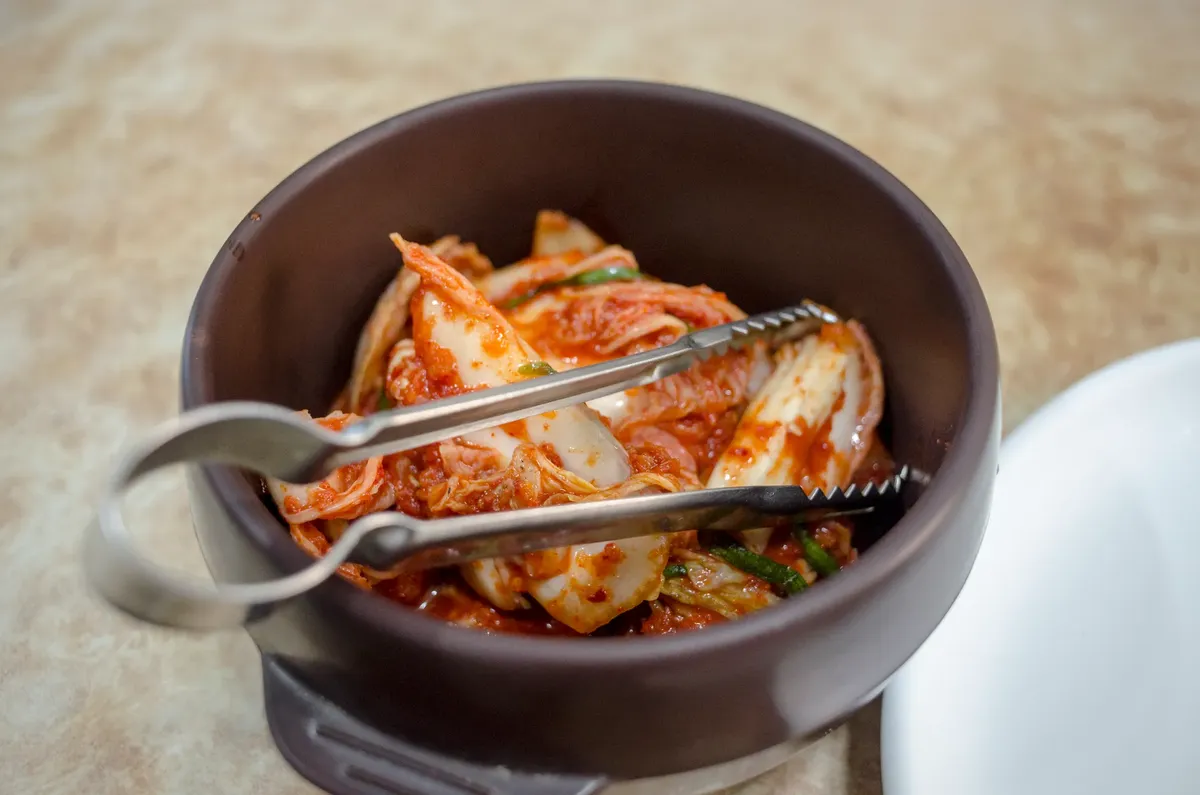
Applying this to food design means the visual presentation becomes a vessel for the history of the ingredients.
Can I modernize traditional food in stages? A designer sketches a new logo for a traditional noodle brand, trying to balance calligraphy with clean, modern lines. Following a structured approach can help ensure that the essence of the food is not lost during the transition.
- Identify the core cultural elements that define the cuisine's identity. 2. Adapt the visual presentation to meet modern aesthetic standards and convenience. 3. Verify that the new design still communicates the original heritage to the consumer.
This sequence allows for a controlled evolution rather than a complete departure from roots. I once observed a small workshop where they tried to apply these exact steps to a local fermentation brand.
A final check is necessary to ensure that the "modern" version does not strip away the soul of the tradition. If the design becomes too detached from the original purpose, it may fail to resonate with those who value authenticity.
What are the limitations of modernizing heritage?
A researcher looks through an archive of old recipes, noting how many have been lost to time. While innovation is necessary, there is a delicate balance to maintain between progress and preservation.
One significant limitation is the risk of losing the original meaning behind certain culinary rituals.
For example, on December 4, 2013, "Washoku, traditional dietary cultures of the Japanese, notably for the celebration of New Year" was added to UNESCO's Intangible Cultural Heritage, bringing the number of Japanese assets listed on UNESCO's Intangible Cultural Heritage list to 22.
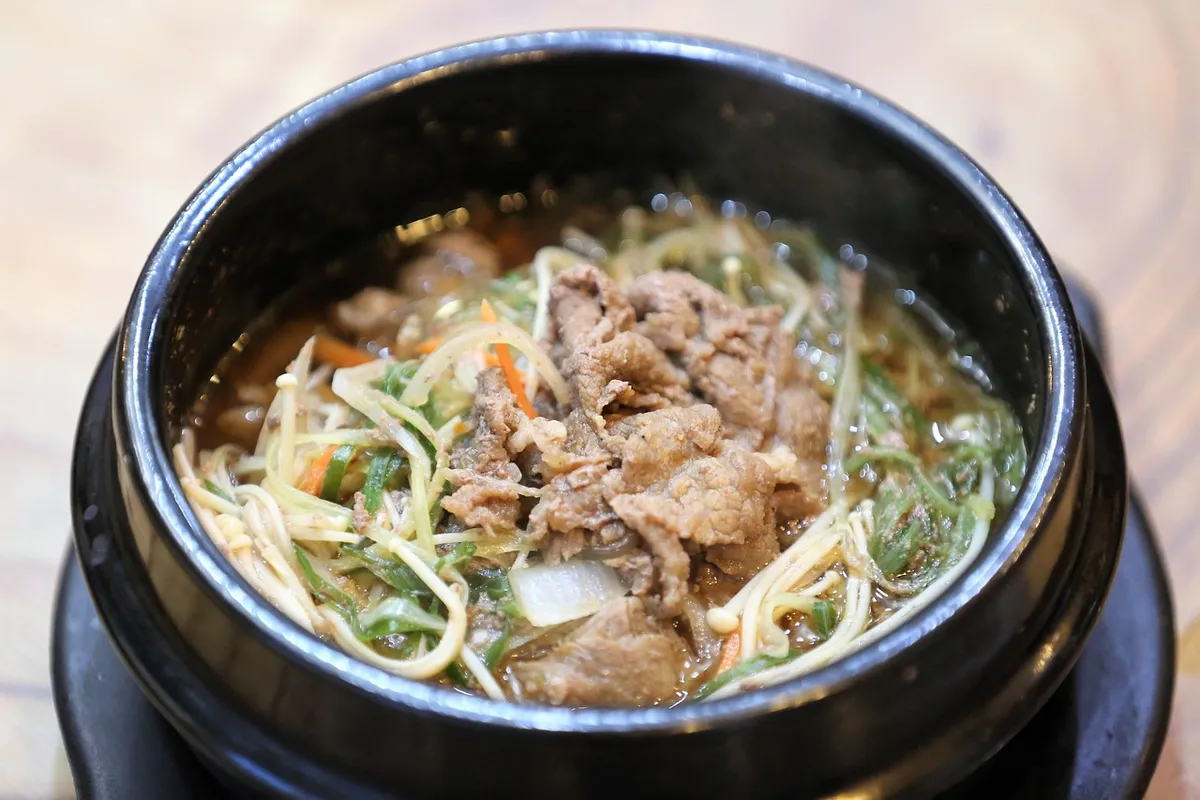
This specific context of celebration shows that some traditions are tied to specific moments that design cannot easily replicate.
Commercialization can also lead to the loss of authentic techniques. If a food is redesigned solely for mass production, the artisanal quality that earned it heritage status might vanish. This tension remains a constant challenge for anyone working at the intersection of tradition and design.
- How can traditional food gain global recognition?
- How do changing habits affect traditional food modern look?
- How does design shape the shift in Korean cuisine?
The subject here is Korean food modern design.
The same subject is also called Korean cuisine design shift.
The same subject is also called Modernizing Korean meals.
This part also covers Modernizing dining experience.
Related





Comments 0