Carbon neutral tech support: Guide to environmental progress
"The transition toward a sustainable future requires institutional strength and specialized research to address the shifting climate landscape."
The Ministry of Environment is expanding its role in supporting carbon-neutral technology research to drive environmental progress. This initiative focuses on strengthening administrative coordination and technical expertise to meet global climate goals.

Key takeaways include the historical evolution of environmental governance, the integration of meteorological expertise, and the necessity of coordinated policy frameworks.
How did environmental governance evolve?
At the dusty desk in the quiet office, the administrator traces old maps with a trembling hand, feeling the weight of history as the quest for carbon control shifted through the decades.
An administrator sits at a desk, reviewing decades of organizational charts to understand how policy authority shifted over time. The foundation of modern environmental oversight began with administrative restructuring to handle growing ecological complexities.
In January 1990, the Environment Administration was elevated to the Ministry of Environment under the Office of the Prime Minister to efficiently integrate and coordinate environmental issues.
This shift allowed for a more centralized approach to managing the nation's natural resources and ecological health.
The expansion of authority ensured that environmental issues were no longer handled in isolation but through a unified ministerial framework. This structural change established the groundwork for more complex policy-making and technological research oversight.
- Identify historical regulatory frameworks.
- Analyze the shift toward decentralized management.
- Assess current global governance models.
How much does meteorological expertise actually matter? A researcher looks out a window at a changing sky, considering how atmospheric data informs environmental policy. Integrating weather data into environmental management has become a vital component of climate strategy.
In February 2008, the Korea Meteorological Administration became an affiliate of the Ministry of Environment to facilitate countermeasures against climate change. This partnership was designed to merge atmospheric science with environmental policy to better prepare for shifting weather patterns.

By bringing meteorological expertise under the environmental umbrella, the government strengthened its ability to develop data-driven climate strategies. This integration provides the technical basis needed for long-term carbon-neutral planning.
In this sequence, the second step is the most extensive.
According to World Bank, the 2024 record includes 97.9%.
How does digital connectivity impact research?
Late at night in the silent lab, the researcher clicks a mouse to transmit data, feeling a sudden chill as the carbon models update across the screen.
A scientist types data into a computer, utilizing high-speed connections to share findings with global partners. High levels of connectivity provide the infrastructure necessary for modern environmental research and data management.
According to World Bank data, South Korea recorded a share of internet users of 97.9% in 2024. This high level of digital penetration supports the rapid exchange of information required for complex environmental monitoring and technological development.
Such connectivity allows researchers to access vast datasets and collaborate globally, which is essential for developing carbon-neutral solutions. Digital infrastructure remains a cornerstone of modern scientific progress and policy implementation.
How do I actually integrate these policies? A policymaker organizes a series of documents, ensuring that every administrative step aligns with the broader mission of the ministry. Establishing a clear hierarchy and functional relationship between agencies is essential for successful environmental management.
- Reorganize administrative structures to centralize environmental oversight and resource management. 2. Integrate specialized scientific agencies to enhance technical capabilities for climate countermeasures. 3. Utilize digital infrastructure to facilitate the rapid dissemination of research and data.
A final check of the organizational framework ensures that all departments are working toward the same carbon-neutral objectives.
When does structural change become a limitation?
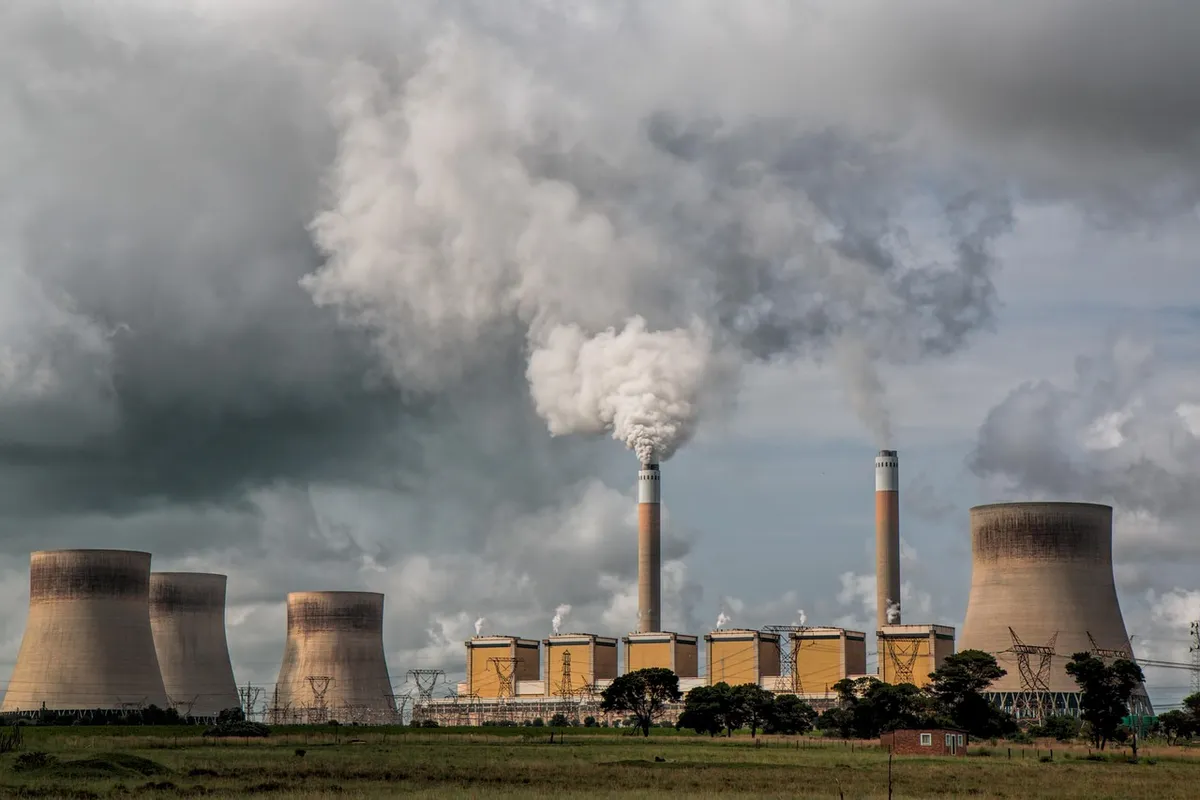
A veteran official points to an old document, noting how past organizational boundaries shaped current capabilities. While structural changes provide strength, they can also create complexities in managing diverse agency roles.
A limitation exists when specialized agencies must balance their original mandates with new, broader environmental responsibilities.
For instance, the integration of meteorological services requires careful management to ensure that specific scientific functions are not overshadowed by broader policy goals.
Related
- Korea carbon neutral tech challenges: Why monitor gas levels
- Temperature Rising: Korea extreme summer adaptation guide
What cautions surround policy coordination?
- Ensuring that specialized agencies maintain their core functions while adopting wider environmental duties presents a challenge. 2. Balancing the original mandates of these agencies with the new, encompassing environmental responsibilities requires careful administrative oversight. 3. The transition toward a sustainable future demands vigilance against the dilution of specific scientific expertise when integrating broader policy goals.
The integration of meteorological services, for example, necessitates careful management so that distinct scientific functions are not diminished by overarching policy objectives. This caution applies whenever administrative structures are reorganized to centralize oversight.
The commitment to the transition toward a sustainable future relies on the successful navigation of these inter-agency dependencies. Effective policy frameworks must account for the inherent tensions between specialized technical needs and comprehensive governmental mandates.
How does data sharing support the transition?
The high level of digital penetration enables researchers to access extensive datasets, which is crucial for developing effective carbon-neutral solutions. This ability to share information rapidly supports the entire process of environmental monitoring and technological advancement.
The rapid exchange of information, facilitated by strong digital infrastructure, allows for timely responses to shifting climate conditions. This connectivity underpins the necessary technical basis for long-term planning required during the transition.
The Ministry of Environment leverages this digital capacity to strengthen administrative coordination in its pursuit of environmental progress. This technological support is vital for meeting global climate goals through informed decision-making.





Comments 0