K-water water tech finance: Tips for water management
"Water is not just a biological necessity; it is the liquid backbone of global economic stability and human survival."
The economic value of water resource technology is increasingly tied to how efficiently we manage finite supplies to support growing populations and industrial needs.
This article examines the financial implications of water management, the role of international policy frameworks, and the vital connection between water security and public health.
Key takeaways: * Understanding the intersection of water management and economic stability is essential for sustainable development. * International reports provide critical tools for decision-makers to formulate long-term water policies.

* Efficient water use directly impacts global health outcomes and food security.
How does water resource technology impact global finance?
At dusk, the investor grips her cold pen while staring at the digital charts of water technology investments.
A manager sits at a desk reviewing international development reports and fiscal trends. They realize that water technology is not just about pipes; it is about securing the resources that drive GDP.
The relationship between water security and economic health is fundamental to national stability. According to World Bank data, South Korea recorded GDP growth of 1.0% in 2025.
This baseline of growth underscores the importance of maintaining stable resource infrastructures to support such economic activity.
Water resource technology finance involves investing in systems that mitigate scarcity and optimize distribution. Reliable water access supports industrial productivity and domestic stability, which in turn stabilizes the broader economy.
Without robust technology, the costs of water scarcity could disrupt national growth trajectories.
- Identify emerging water technologies suitable for investment.
- Allocate capital to infrastructure projects.
- Monitor the return on investment through resource efficiency.
What role do international reports play in water resource economics?
A strategist pores over a printed report, looking for guidance on sustainable policy implementation. They study the historical context of how global organizations have guided water management for decades.

International frameworks provide the necessary data to guide investment and policy. Since 2003, the UN World Water Development Report, produced by the UNESCO World Water Assessment Programme, has provided decision-makers with tools for developing sustainable water policies.
These tools allow for better planning regarding infrastructure and resource allocation.
Water resource economics is shaped by these global insights, which help nations prepare for fluctuations in supply. By using standardized metrics, governments can better align their technological investments with long-term sustainability goals.
These reports act as a roadmap for navigating the complexities of global water demand.
In this order, the second step is the longest.
According to World Bank, the 2025 record includes 1.0%.
How does water management affect food security?
A farmer looks out over a field, considering the irrigation systems required to sustain the crop. They think about the historical efforts made to balance water use with the needs of a growing world.
Managing water for agriculture is a critical component of global stability. An assessment of water management in agriculture was conducted in 2007 by the International Water Management Institute in Sri Lanka to see if the world had sufficient water to provide food for its growing population.
This kind of research is vital for managing the tension between industrial and agricultural needs.
The economic value of water resource technology is realized when it can successfully bridge the gap between supply and demand. As populations grow, the ability to provide food through efficient irrigation becomes a primary economic driver.

Failure to manage these resources could lead to significant food price volatility and economic instability.
Can water technology improve public health outcomes?
A healthcare worker prepares a clinic, knowing that clean water is the first line of defense against disease. They recognize that health is the foundation of a productive workforce.
The economic impact of water is most visible in the mitigation of health crises. The World Health Organization estimates that safe water could prevent 1.4 million child deaths from diarrhea each year.
Preventing such loss is not only a humanitarian necessity but also a significant economic benefit to families and states.
Investing in water technology leads to healthier populations and more consistent economic participation. When water is safe and accessible, the burden on healthcare systems decreases, allowing resources to be redirected toward other developmental goals.
This creates a virtuous cycle of health and economic stability.
How are water resources managed on a global scale?
A researcher examines a map of the world's water distribution, noting the vast differences between freshwater and saltwater availability. They consider the logistics of managing these disparate sources.
Global water management requires a balance of domestic, industrial, and agricultural needs. It is estimated that 22% of worldwide water is used in industry, while it is estimated that 8% of worldwide water use is for domestic purposes.
These figures highlight the competing demands that technology must resolve.
- Identify the current water consumption patterns across different sectors. 2. Implement technological solutions to optimize distribution and minimize waste. 3. Monitor usage levels against the needs of the growing population.
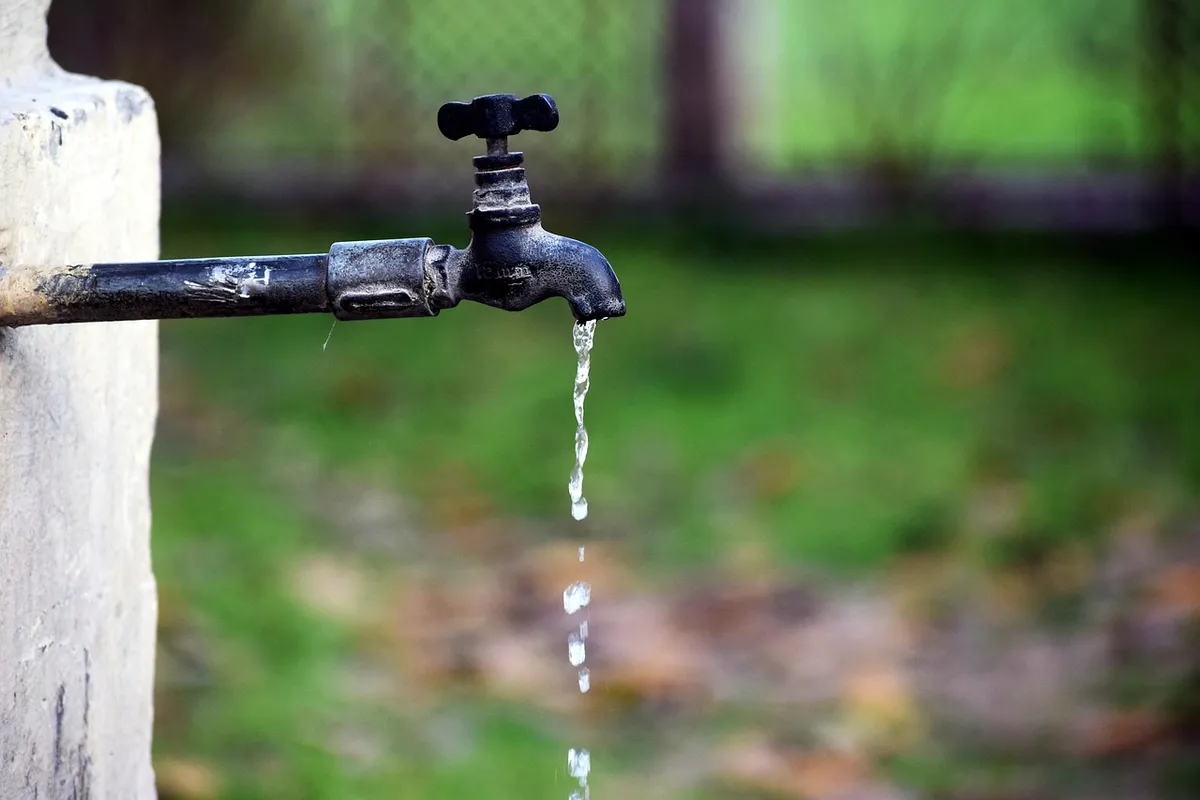
I observed how these different sectors often compete for the same limited supply during periods of drought. The successful management of these competing interests is the core of water resource economics.
The limitation of current water management strategies is that they are often reactive to crises rather than proactive in preventing them.
K-water water tech finance
The subject here is K-water water tech finance.
The same subject is also called K-water tech value.
The same subject is also called Water tech financial impact.
The same subject is also called Resource tech economic study.
This part also covers K-water applied water tech.
This part also covers Water resource investment cases.
This part also covers Economic value of water tech.
K-water applied water tech
Related







Comments 0